






The Journey from Crude to Your Car
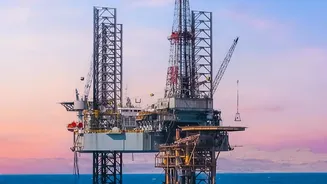
It all begins with crude oil, a global commodity whose price is swayed by geopolitics, supply, and demand. India imports over 85% of its crude oil needs, making it highly sensitive to these international fluctuations. Once this crude oil reaches Indian
refineries, it is processed into petrol and diesel. However, the price you pay at the pump is not just the cost of crude and refining. It includes central excise duties and state-level Value Added Tax (VAT), which can make up a significant portion of the final retail price. This is why even when global oil prices fall, you may not see a proportional drop at your local petrol pump.
The Direct Hit: Road Trips and Local Transport
The most obvious impact on your travel budget is on transportation. If you are planning a road trip, the cost of petrol or diesel is a primary expense. As fuel prices climb, the cost per kilometre of your journey rises, making long drives more expensive. This also affects the cost of hiring taxis for sightseeing or local travel at your destination. Transport operators, facing higher operational costs, are often forced to increase their fares, which ultimately adds to your holiday package price.
Up in the Air: The Aviation Fuel Factor
Flight tickets are another major travel expense directly linked to oil prices. Airlines run on Aviation Turbine Fuel (ATF), a specialised fuel derived from crude oil. ATF can account for 35-40% of an airline's total operating costs. When global crude prices surge, ATF prices follow suit, putting immense financial pressure on airlines. To offset these higher costs, carriers often pass them on to passengers in the form of increased airfares or fuel surcharges. Recent hikes in ATF prices have been a recurring concern for the Indian aviation sector, directly influencing the cost of flying both domestically and internationally.
The Hidden Costs: Hotels and Hospitality
The impact of oil prices does not stop at transport. The hospitality industry is also affected in less visible ways. Hotels and restaurants rely on transportation to bring in supplies, from fresh food ingredients to laundry. Rising diesel prices increase these logistical costs. Furthermore, many establishments depend on Liquefied Petroleum Gas (LPG) for cooking, the price of which is also linked to global energy markets. When energy and transport costs rise, hotels and restaurants may increase their room tariffs and menu prices to protect their margins, adding another layer of expense to your travel budget.
The Currency Connection: A Double Impact
There's another crucial factor: the exchange rate. Global oil trade is conducted in U.S. dollars. When oil prices rise, India's import bill increases, leading to higher demand for dollars. This can weaken the Indian rupee. A weaker rupee means that oil marketing companies have to pay more for the same amount of crude oil, even if the dollar price of oil remains stable. This creates a double bind where Indian consumers can be hit by both rising crude prices and a depreciating currency, further inflating the cost of fuel and, consequently, travel.