



The Challenge of the Festive Platter
Every festive season, from Diwali to Holi and Christmas, Indian kitchens transform into bustling hubs of culinary activity. The expectation is to produce an endless stream of delectable, often deep-fried, snacks and sweets for family and guests. While
the results are delicious, the process is demanding. It involves long hours standing over hot oil, managing multiple dishes simultaneously, and dealing with the inevitable greasy mess afterward. For today’s busy home cooks, who often juggle professional careers and household responsibilities, this traditional cooking marathon can feel overwhelming, taking time away from the celebrations themselves.
A Healthier Take on Cherished Traditions
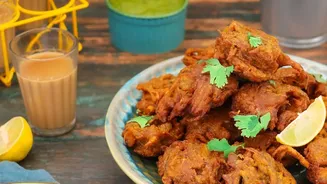
A significant driver of the air fryer’s popularity is the growing health consciousness among Indian consumers. Many are seeking ways to reduce oil consumption without giving up beloved festive foods. The air fryer, which uses rapid hot air circulation, promises the crispy texture of deep-frying with up to 80-85% less oil. This means classics like samosas, aloo tikkis, and masala vadas can be enjoyed with far less guilt. This appliance allows families to indulge in their favourite treats in a way that aligns with modern wellness goals, making it a powerful draw for those managing health conditions or simply aiming for a more balanced diet.
More Than Just Less Oil
While health is a major selling point, the convenience factor is what truly cements the air fryer's place in the modern Indian kitchen. Users love that they can place food in the basket, set a timer, and walk away, freeing them up to focus on other tasks. This multitasking capability is a lifesaver during hectic festive preparations. Furthermore, air fryers cook faster than conventional ovens and eliminate the messy oil splatters and lingering smells associated with deep-frying. The cleanup is also significantly easier, usually involving just a non-stick basket that can be quickly washed. This combination of speed, efficiency, and cleanliness dramatically reduces the friction and effort of cooking.
Adapting Festive Favourites with Ease
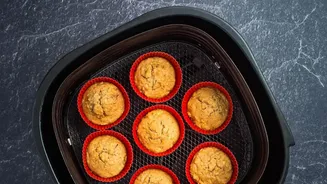
The versatility of the air fryer is another key reason for its rising appeal. It has proven to be incredibly adaptable to a wide range of Indian recipes, far beyond just heating frozen snacks. Home cooks are successfully making everything from savoury starters to intricate sweets. Baked gujiyas and shakarpara get a flaky finish without being submerged in oil. Paneer tikka achieves a tandoor-like char, and vegetable cutlets turn perfectly golden-brown. Even sweets like balushahi and nankhatai can be prepared in the appliance. This ability to handle diverse cooking styles—frying, baking, grilling, and roasting—makes it a multi-functional tool that justifies its counter space, especially in compact urban homes.
A Permanent Fixture in the Indian Kitchen
What might have started as a trend is now becoming a mainstream appliance, with the Indian air fryer market seeing steady growth. Analysts note that sales are driven by rising disposable incomes, urbanization, and the desire for modern, efficient kitchen solutions. With a wider variety of models available at different price points, from basic units to large-capacity and dual-basket versions, more households are adopting the technology. The air fryer is no longer seen as a novelty but as a practical system that reduces effort, saves time, and delivers healthier results, making it an indispensable ally for the busy Indian home cook, especially when the festive pressure is on.