




The Great Breakfast Shift
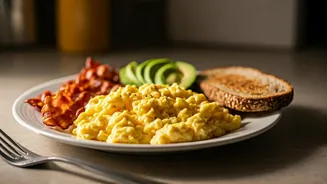
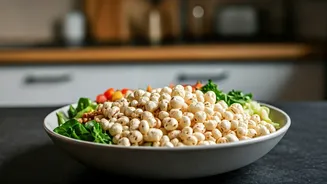
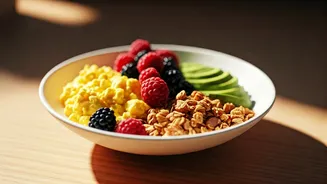
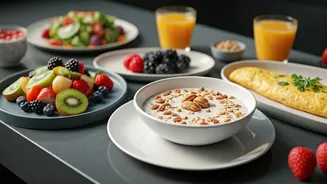
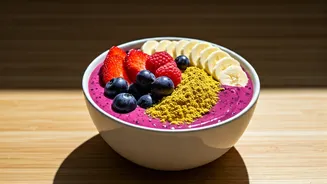
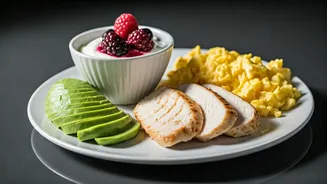
Step into any modern cafe or scroll through your social media feed, and you’ll notice a pattern. Omelettes have replaced toast, smoothies are blended with protein powder, and Greek yogurt bowls are piled high with nuts and seeds. The days of starting
the day with a quick, sugary, or carb-heavy meal are slowly fading for many. This isn't just a Western trend seeping in; it's a fundamental shift in how we view the first meal of the day. Driven by a growing awareness of health and wellness, people are realising that what you eat for breakfast sets the tone for your entire day. The goal is no longer just to fill your stomach but to fuel your body and brain effectively. The humble poha and upma are still beloved, but they are now often competing with or being adapted to include a significant protein punch.
Why Protein Is the New Morning Hero
So, what’s behind this protein obsession? The science is compelling. Unlike carbohydrates, which can cause a rapid spike and subsequent crash in blood sugar, protein digests more slowly. This provides a steady release of energy, keeping you feeling full and focused for hours. This feeling of fullness, or satiety, is a major benefit. A protein-rich breakfast helps curb mid-morning cravings for unhealthy snacks, which can be a game-changer for weight management. Furthermore, protein is essential for muscle repair and growth. Starting your day with a good dose helps preserve muscle mass, which is crucial for metabolism and overall strength, especially as we age. It’s a simple equation: a protein-forward breakfast leads to better appetite control, more stable energy levels, and improved body composition over time.
What It Looks Like on an Indian Plate
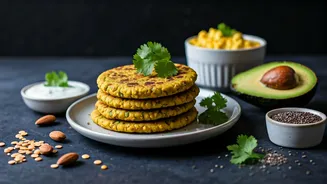
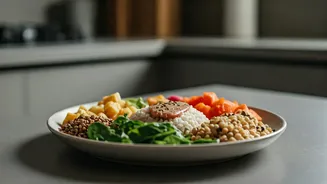
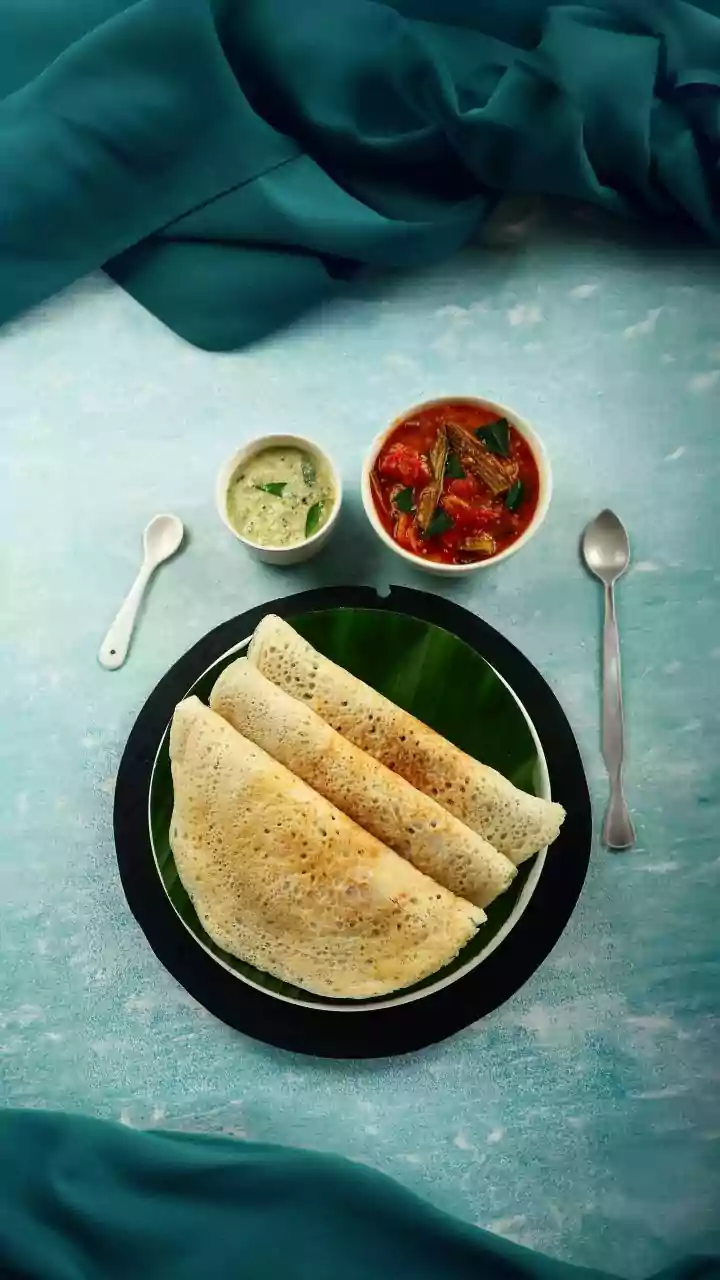
You don't need to stock up on whey protein tubs or start eating steak for breakfast to join this trend. The Indian kitchen is already rich with protein options that are perfect for the morning. Think of a classic besan or moong dal chilla, which are naturally packed with plant-based protein. A simple paneer bhurji scrambled with vegetables is a quick and delicious option. Even traditional breakfasts can get a protein boost. Add a handful of sprouts to your poha, have your idli or dosa with a generous serving of sambar (which contains lentils), or pair your paratha with a bowl of dahi (curd) or a side of chickpeas. Other excellent choices include boiled eggs, a handful of almonds and walnuts, or even a smoothie made with curd, seeds like chia and flax, and a fruit of your choice. The key is to be intentional about including a primary protein source in your meal.
Navigating the New Breakfast Aisle
Food companies have been quick to respond to this growing demand. Supermarket aisles are now filled with 'high-protein' versions of everything from breakfast cereals and oats to bread and muesli bars. While some of these can be convenient, it’s important to be a savvy consumer. Always check the nutrition label. Look for products where protein is high on the ingredient list and be wary of added sugars, refined flours, and artificial additives that can negate the health benefits. Often, the most effective approach is the simplest one. Relying on whole foods like eggs, lentils, dairy, nuts, and seeds is almost always a healthier and more cost-effective strategy than depending solely on processed, packaged goods. The goal is to add quality protein, not just a 'protein' label.