


Your Simple Container Toolkit
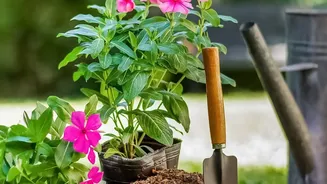
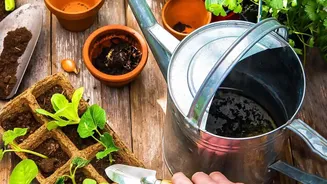
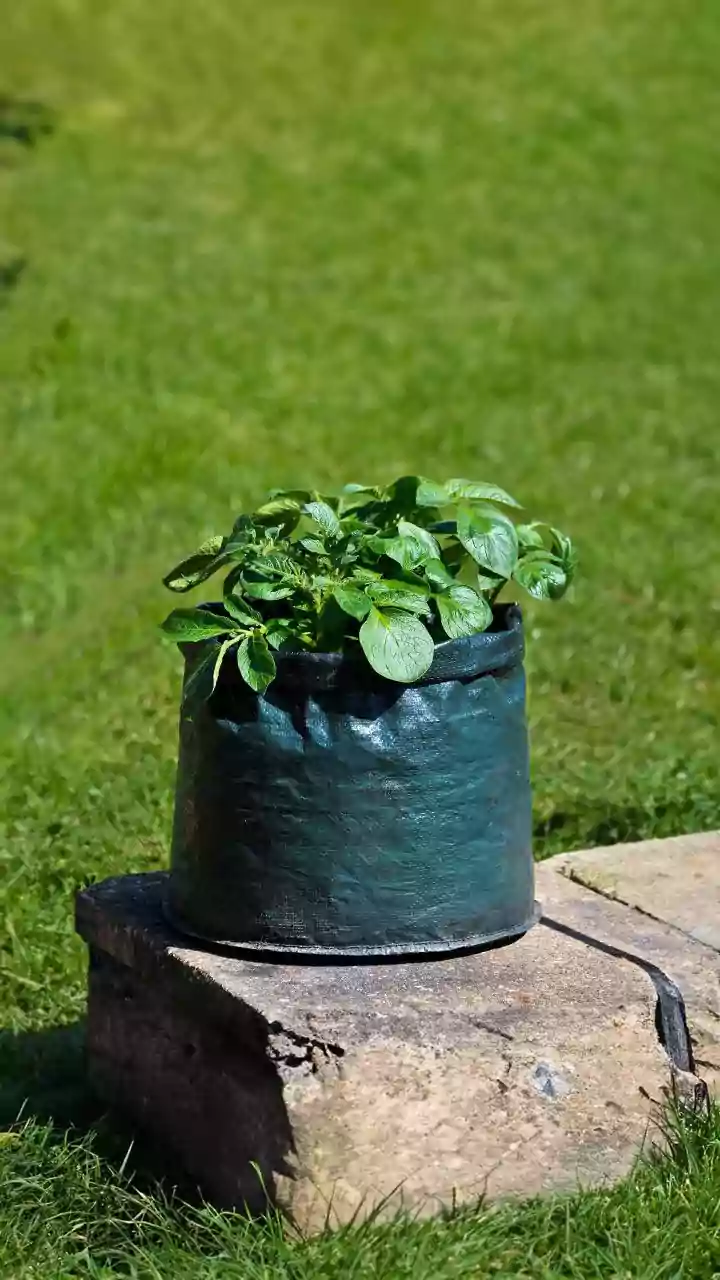
Starting a winter herb garden is simpler than you think. You don't need a large garden, just a balcony, a windowsill, or a small terrace. The first step is gathering your basic supplies. You'll need containers at least 20-25 cm deep to give the roots
enough space. Ensure every pot has drainage holes at the bottom to prevent waterlogging, which can lead to root rot. For the growing medium, avoid using heavy garden soil on its own, as it compacts in pots. A much better option is a lightweight and nutrient-rich potting mix. You can buy a ready-made organic mix or create your own by combining garden soil, cocopeat, and compost (like vermicompost). A good starting ratio is 40% garden soil, 30% cocopeat, and 30% compost. This blend ensures good drainage, aeration, and nutrition for your herbs.
The Queen of Herbs: Growing Tulsi
Tulsi, or Holy Basil, is a staple in many Indian homes but can be sensitive to the cold. It thrives in warmth and needs special attention during winter. The key is sunlight. Find the sunniest spot in your home, ideally a south-facing window or balcony, where the plant can get at least 4-6 hours of light. Protection from frost is crucial; if temperatures drop below 10°C, it's best to bring your Tulsi pot indoors, especially at night. Winter care also means adjusting your watering schedule. Tulsi needs significantly less water in colder months as it enters a resting phase. Check the soil by pushing your finger an inch deep; if it feels dry, water it lightly with room temperature water. Overwatering is a common mistake and can be fatal to the plant. Hold off on adding any fertiliser during winter, as the plant cannot properly absorb the nutrients.
Fresh and Fragrant: Mint Made Easy
Mint, or Pudina, is one of the easiest and most rewarding herbs to grow. Its vigorous nature makes it perfect for containers, which also help contain its tendency to spread aggressively. A pot that is at least 12 inches deep is a good choice to accommodate its root system. Mint enjoys a good amount of sun, about 4-6 hours a day, but can benefit from some shade during the intense afternoon heat, even in winter. It prefers soil that is consistently moist but not waterlogged. Water it whenever the top inch of soil feels dry to the touch. One of the best things about mint is how easy it is to harvest. You can snip off leaves and stems as needed, which actually encourages the plant to become bushier and produce more growth. For winter care, if you live in an area with very harsh cold, you can move the pot indoors to a well-lit but cool area.
Garnish on Demand: Cultivating Coriander
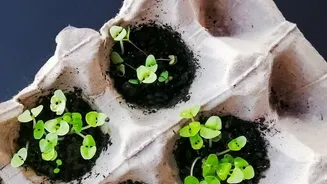
Freshly chopped coriander, or Dhaniya, can elevate any dish. Growing it in winter is ideal, as coriander is a cool-season herb that bolts (flowers prematurely) in intense heat. For container growing, choose a pot that is at least 20-25 cm deep to accommodate its taproot. Coriander dislikes having its roots disturbed, so it's best to sow the seeds directly into the pot where they will grow. For better germination, you can gently split the whole coriander seeds into two halves and soak them overnight before planting. Sprinkle the seeds on the surface of your moist potting mix and cover them with a thin layer of soil or cocopeat. Keep the soil consistently moist but not soggy. Seedlings should appear in about 10 days, and you can start harvesting leaves in as little as 35-45 days.