



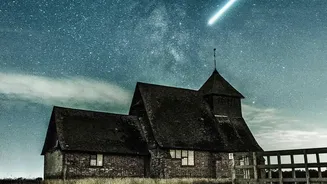

Two Annual Sky Shows
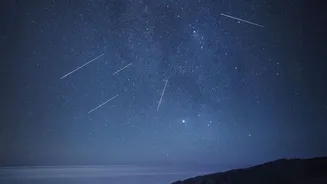
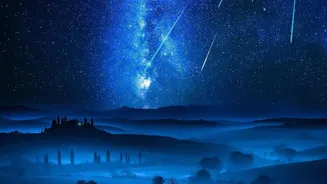
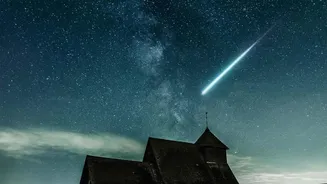
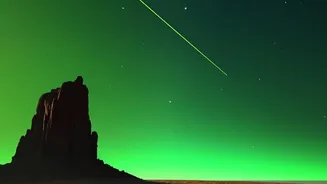
Meteor showers are cosmic light shows that occur when Earth passes through the trail of dusty debris left behind by a comet or asteroid. As these tiny particles, some no bigger than a grain of sand, enter our atmosphere at high speeds, they burn up and create
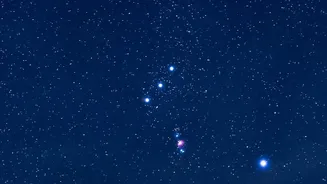
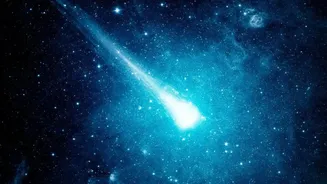
brilliant streaks of light we call 'shooting stars'. The Perseids and Orionids are two of the most reliable and spectacular showers visible from the Northern Hemisphere, including India. The Orionids are born from the debris of the famous Halley's Comet. The Perseids originate from Comet Swift-Tuttle, which takes 133 years to orbit the sun.
Mark Your Calendar: Prime Viewing Times
Timing is everything. For the upcoming Orionid meteor shower, the peak is expected in the pre-dawn hours of October 21-22, 2026. While the shower is active from early October to early November, these peak dates offer the best chance to see a higher rate of meteors, potentially 15 to 25 per hour in a dark sky. The Perseid meteor shower of 2026 has already passed, peaking on August 12-13. It was an excellent year with a new moon providing dark skies. For those planning ahead, the 2027 Perseids will peak around August 13. However, a bright moon will interfere, making the pre-dawn hours after the moon sets the best window for viewing.
The Problem with City Lights
If you've ever tried stargazing from a city balcony, you already know the main obstacle: light pollution. The excessive artificial light from street lamps, buildings, and vehicles creates a 'skyglow' that washes out the night sky. This bright haze drastically reduces the contrast, making it impossible to see fainter stars, the Milky Way, and most meteors. Our eyes also never fully adapt to the dark in urban environments, further limiting what we can see. To truly experience a meteor shower, where dozens of shooting stars can cross the sky every hour, you must get as far away from city lights as possible.
India's Dark Sky Havens
India's diverse geography offers incredible dark-sky locations far from urban sprawl. For the ultimate experience, Hanle in Ladakh is unparalleled. It is home to India's first official Dark Sky Reserve, boasting some of the clearest skies in Asia. Other fantastic high-altitude options include Spiti Valley in Himachal Pradesh and areas around Mukteshwar and Kausani in Uttarakhand. In the west, the vast, open landscapes of the Great Rann of Kutch in Gujarat and the Thar Desert near Jaisalmer in Rajasthan offer spectacular, unobstructed views of the horizon. In the south, the coffee plantations of Coorg, Karnataka, and hill stations like Kodaikanal in Tamil Nadu provide pockets of darkness away from town centers. Even national parks like Pench and Kanha in Madhya Pradesh offer surprisingly dark skies.
Your Guide to a Perfect Viewing Night
You don't need any special equipment to enjoy a meteor shower; your eyes are the best tool. The key is patience and comfort. Find a safe, open spot away from direct lights. Lie back on a blanket or reclining chair to get a wide view of the sky. Give your eyes at least 15-20 minutes to fully adjust to the darkness; avoid looking at your phone screen. The best viewing time is typically between midnight and dawn. While the meteors appear to originate from a point called the radiant, they can appear anywhere in the sky, so just look up and be patient.