




What Exactly Is the Skin Barrier?
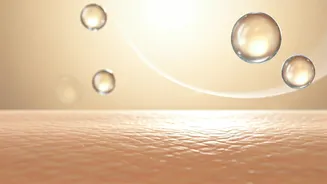
Think of your skin barrier, or stratum corneum, as a diligent security guard for your skin. It's the outermost layer, composed of tough skin cells (the 'bricks') held together by lipids like ceramides, cholesterol, and fatty acids (the 'mortar'). This
'brick and mortar' structure has two main jobs: keeping essential moisture and nutrients in, and keeping harmful environmental stressors, pollutants, and bacteria out. When it's functioning optimally, your skin is balanced, hydrated, and resilient. A healthy barrier is the foundation of healthy skin.
The Connection Between a Healthy Barrier and a Natural Glow
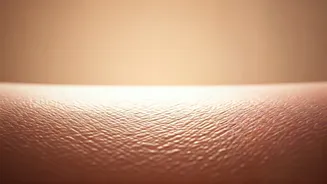
That coveted 'glow' is essentially a visual sign of healthy, well-hydrated skin. When the skin barrier is intact, it effectively locks in moisture, keeping the skin plump and smooth. This smooth surface reflects light evenly, creating a natural luminosity. Conversely, when the barrier is damaged, it can no longer hold onto moisture effectively, leading to transepidermal water loss (TEWL). This results in skin that appears dull, rough, and uneven—the exact opposite of glowing. Simply put, a happy barrier equals hydrated skin, and hydrated skin glows.
Signs Your Skin Barrier Needs Help
A compromised barrier can manifest in several ways, and they often go beyond simple dryness. You might notice persistent tightness, even after applying moisturiser. Other common signs include redness, itchiness, and increased sensitivity; products that you've used for years might suddenly cause stinging or irritation. Flaky patches, a rough texture, and even an increase in breakouts or acne can also signal that your barrier is struggling to do its job. If your skin frequently feels uncomfortable, it’s likely your barrier is sending out an SOS.
What Causes Barrier Damage?
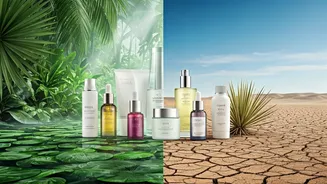
Often, barrier damage is self-inflicted, a result of being too aggressive with our skincare routines. Over-exfoliating with harsh physical scrubs or strong chemical acids is a primary culprit. Using stripping cleansers that leave your skin feeling 'squeaky clean' but tight, and washing with overly hot water can also dissolve the essential lipids that hold your barrier together. Environmental factors like too much sun exposure, dry or humid conditions, and exposure to pollutants also play a significant role. Even psychological stress can impact its function.
How to Repair and Protect Your Barrier
The key to barrier repair is to adopt a 'less is more' approach. Start by simplifying your routine, pausing the use of potent active ingredients like retinoids and strong acids for a few weeks. Switch to a gentle, hydrating, non-foaming cleanser and always use lukewarm water. The most crucial step is moisturising. Look for creams that not only hydrate but also contain ingredients that replenish the barrier's structure. Applying your moisturiser to damp skin can help lock in even more hydration. And finally, daily use of a broad-spectrum sunscreen with at least SPF 30 is non-negotiable to protect your skin from UV damage.
Key Ingredients to Look For
When shopping for products, certain ingredients are superstars for barrier support. Ceramides are at the top of the list, as they are a fundamental component of the barrier's 'mortar'. Hyaluronic acid is a powerful humectant that draws moisture into the skin, while glycerin helps seal it in. Niacinamide (Vitamin B3) is a versatile ingredient that helps improve the production of ceramides, calms inflammation, and boosts overall barrier function. Other beneficial ingredients include fatty acids, cholesterol, panthenol (provitamin B5), and squalane, which help soothe, replenish, and protect.