




More Than Just Curry
India’s culinary landscape is as diverse as its geography, and Keralan food is a world away from the butter chicken and naan that dominate many Western menus. Nestled on the tropical Malabar Coast, Kerala has been a global trading hub for millennia, known
as the 'Land of Spices'. This history is alive in its cuisine, a rich tapestry woven from Hindu, Christian, and Muslim traditions. Each community has added its own distinct dishes, from the legendary beef fry of the Syrian Christians to the fragrant biryanis of the Malabar Muslims and the elaborate vegetarian feasts of Hindu traditions. This melting pot of influences has created a culinary identity that is complex, layered, and now, gaining worldwide attention for its unique profile.
The Holy Trinity: Coconut, Rice, and Spice
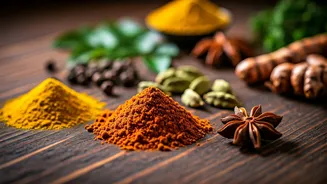
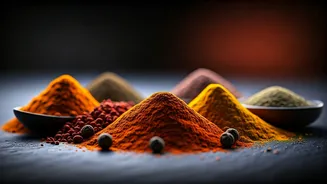
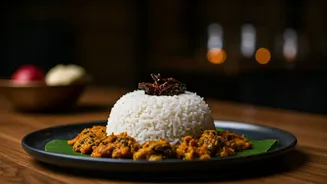
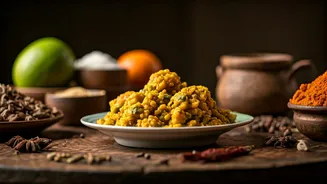
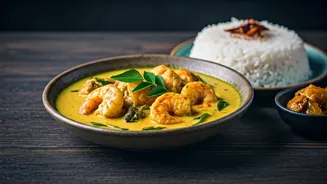
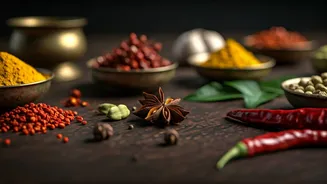
At the heart of Keralan cooking is a profound connection to its landscape. Coconuts are not just an ingredient; they are the soul of the cuisine, used in every conceivable form: freshly grated, roasted, pressed into creamy milk, or as fragrant oil for tempering spices. This gives dishes a signature creamy texture that is lighter than the dairy-based gravies of North India. Rice is the primary staple, from the nutty red Matta rice that accompanies most meals to fermented batters for breakfast classics like appam and puttu. And then there are the spices. Black pepper, cardamom, cloves, cinnamon, and turmeric are not just added for heat but are layered to create aromatic, bold, and harmonious flavours.
A Feast on a Leaf: The Grand Sadya
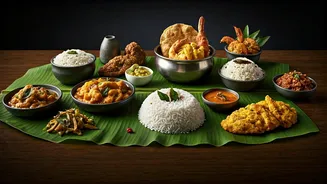
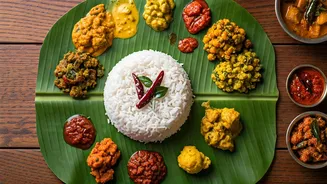
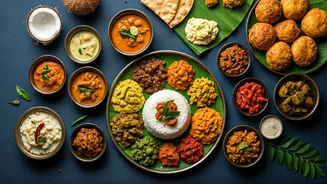
Nothing showcases the vegetarian brilliance of Kerala like the Sadya, a traditional feast served on a banana leaf. Often featuring 24 to 30 different dishes, the Sadya is a spectacular display of flavour, texture, and colour, central to celebrations like the Onam festival. The meal includes a variety of preparations: tangy pachadi (yoghurt-based dishes), stir-fried thoran with coconut, rich lentil stews like parippu and sambar, sour rasam, and sweet payasam for dessert. It’s a perfectly balanced meal that offers a comprehensive tour of the state’s vegetarian heritage in a single sitting.
From Backwaters to Highlands: A Diverse Platter
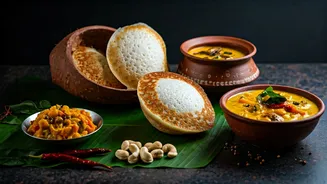
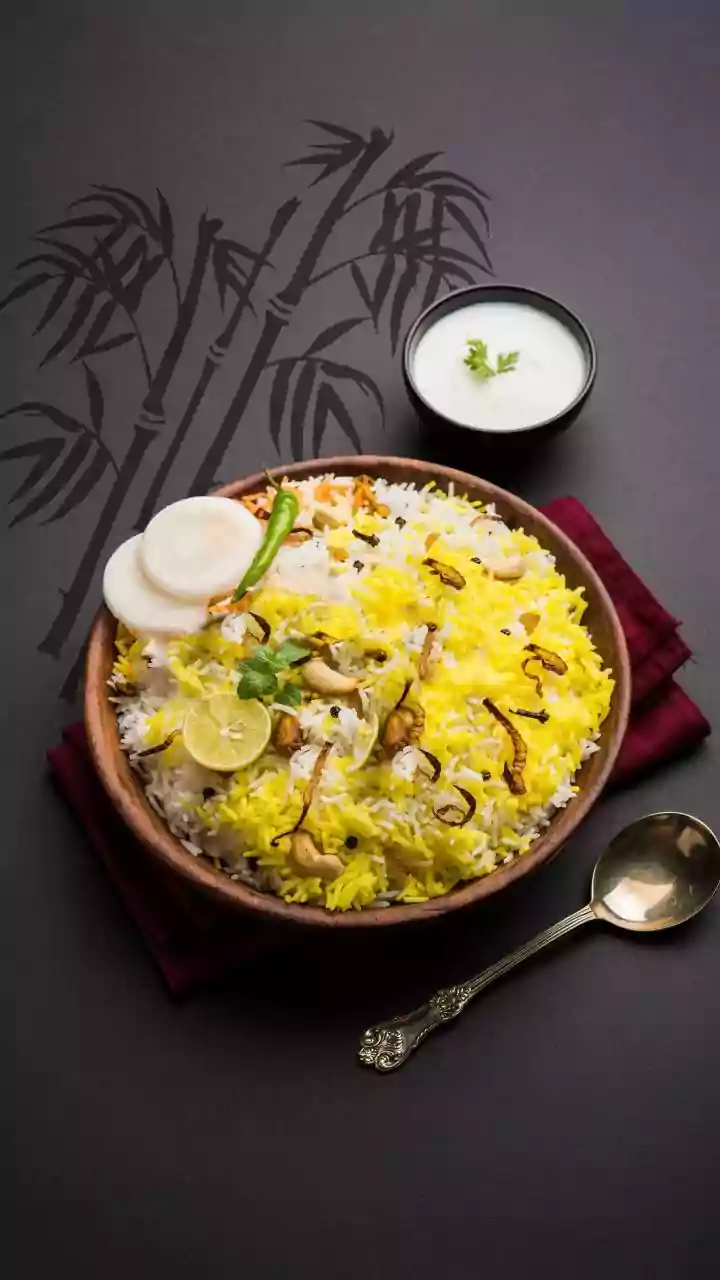
While the Sadya is iconic, Keralan cuisine is equally celebrated for its non-vegetarian offerings. The extensive coastline and backwaters provide an abundance of fresh seafood. A standout dish is Karimeen Pollichathu, where pearl spot fish is marinated in spices, wrapped in a banana leaf, and grilled, infusing it with a smoky aroma. Other breakfast staples are world's apart from the usual fare; consider idiyappam (steamed rice noodles) served with a mild fish moilee or a richer egg curry. Venture inland, and you'll find iconic dishes like the slow-roasted Kerala Beef Fry (Ularthiyathu) and the Thalassery biryani, which uses a unique, fragrant short-grain rice that sets it apart from its more famous Hyderabadi cousin.
Taking the World by Storm
The secret is out. Keralan cuisine is gaining international acclaim, with food lovers and critics alike taking notice. Restaurants like Kozhikode's Paragon have been ranked among the world's most legendary dining spots, celebrated for their traditional Malabar cuisine and iconic biryani. This recognition extends to cities across the globe, from London and Dubai to New York, where dedicated Keralan restaurants are thriving. Major food festivals in Europe and Australia now celebrate the specific flavours of regions like Malabar, drawing huge crowds and introducing dishes like appam and beef curry to a wider audience. This global curiosity is driven by a desire for authentic, regional food stories, a demand Kerala is perfectly poised to meet.