




The Classic Energy Booster: Sabudana Khichdi
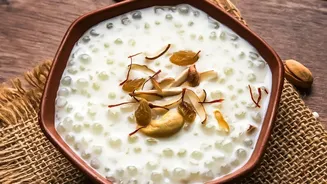
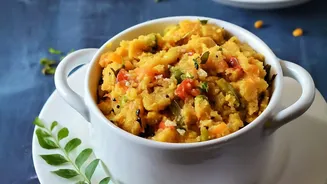
Sabudana, or tapioca pearls, is a fasting staple for a reason. It is packed with carbohydrates, providing a quick and sustained release of energy to keep you going. This makes it an ideal food to combat fatigue during the nine-day fast. Though primarily
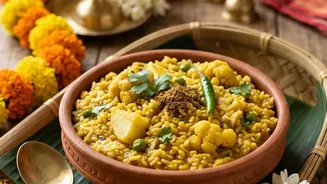
carbs, when combined with peanuts and potatoes, it becomes a more balanced meal. The peanuts add a welcome crunch, protein, and healthy fats, making the khichdi more satiating. This dish is also naturally gluten-free and easy to digest, making it gentle on the stomach during a period of dietary change. To make a perfect, non-sticky Sabudana Khichdi, start by rinsing 1 cup of sabudana until the water runs clear to remove excess starch. Soak it in just enough water to cover the pearls (around a 1:1 ratio) for at least 4-6 hours or overnight. Once soaked, the pearls should smash easily when pressed. Heat 2 tablespoons of ghee or oil in a pan, and add 1 teaspoon of cumin seeds. Once they sizzle, add 1 chopped potato, a handful of peanuts, and chopped green chillies to taste. Sauté until the potatoes are tender. Drain any excess water from the sabudana, add it to the pan along with sendha namak (rock salt), and a pinch of sugar. Mix gently and cook for a few minutes until the pearls turn translucent. Finish with a squeeze of lemon juice and a garnish of fresh coriander.
The Wholesome Powerhouse: Kuttu Puris
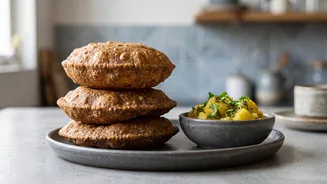
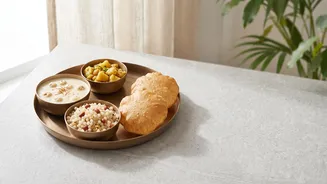
Kuttu ka atta, or buckwheat flour, is a nutritional powerhouse permitted during Navratri. Despite its name, buckwheat is not a type of wheat but a seed, making it entirely gluten-free. It is rich in high-quality plant-based protein, dietary fibre, and essential minerals like magnesium, iron, and zinc. The complex carbohydrates in kuttu provide steady energy, while the high fibre content aids digestion and promotes a feeling of fullness. This combination makes kuttu puris a far more nourishing option than puris made from refined flour, helping to maintain stamina throughout the fast. To prepare soft Kuttu Puris, you can use boiled potatoes as a binding agent. In a bowl, combine 1 cup of kuttu ka atta with 1 large boiled and mashed potato, sendha namak to taste, and a pinch of cumin powder. Knead everything into a smooth, firm dough; the moisture from the potato should be enough, but you can add a little water if needed. Let the dough rest for about 15-20 minutes. Divide the dough into small balls. Lightly grease your palms and a rolling surface, then gently roll each ball into a small circle, slightly thicker than a regular puri. Heat ghee or oil in a kadai for deep frying. Carefully slide a puri into the hot oil and press it gently with a slotted spoon to help it puff up. Fry until golden brown and crisp on both sides. Serve hot with vrat-friendly aloo sabzi or curd.
The Creamy Nutrient-Rich Treat: Makhana Kheer
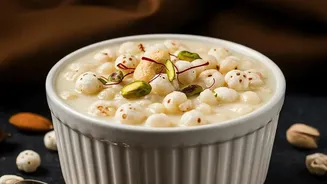
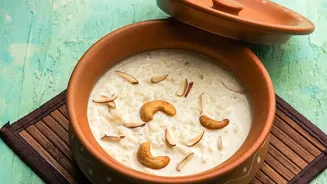
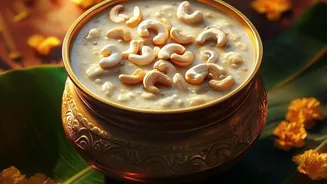
Makhana, or fox nuts, are light, crunchy, and packed with nutrients, making them a perfect ingredient for a guilt-free festive dessert. They are low in calories and fat but rich in protein, fibre, magnesium, potassium, and calcium. This impressive nutritional profile helps in regulating blood pressure, supporting bone health, and providing energy without causing a sugar crash. As a kheer, makhana transforms into a creamy, satisfying dessert that nourishes the body while delighting the taste buds, proving that fasting food can be both healthy and indulgent. For a delicious Makhana Kheer, start by dry-roasting 1 cup of makhana in a pan over low heat for 5-7 minutes until they become crisp. Set them aside to cool. Once cooled, coarsely crush about three-quarters of the roasted makhana, leaving some whole for texture. In a heavy-bottomed pan, bring 1 litre of full-fat milk to a boil. Once boiling, lower the heat and add the crushed makhana. Let it simmer for 10-15 minutes, stirring occasionally, until the milk thickens and the makhana softens. Add sugar to taste, ½ teaspoon of cardamom powder, and a few strands of saffron soaked in warm milk. Stir in chopped nuts like almonds and cashews. Cook for another 5 minutes before turning off the heat. This kheer can be enjoyed warm or chilled.