




Start with a Pre-Monsoon Declutter
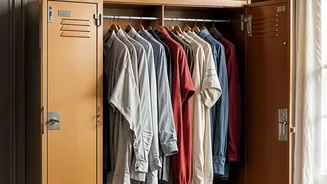
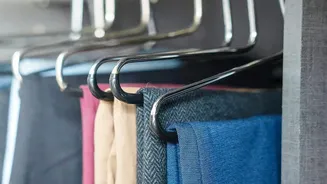
Before the first downpour, give your wardrobe a thorough clear-out. Overstuffed shelves and crammed hangers are the biggest enemies of airflow, trapping moisture and creating a breeding ground for mildew. Take everything out, and identify clothes you are unlikely
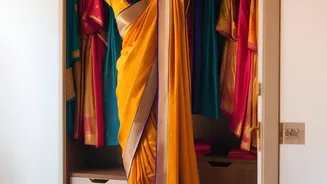
to wear during the rainy season. Heavy lehengas, delicate silks, and even light-coloured outfits prone to staining can be packed away. This not only protects them but also creates essential breathing room for your daily wear, which is the first and most important step in preventing dampness.
Deep Clean and Create a Barrier
Once your wardrobe is empty, it's time for a deep clean. Wipe down all interior surfaces, shelves, and drawers with a dry cloth or a mild cleaning solution to remove any dust or lurking mould spores. On a dry, sunny day, leave the wardrobe doors open for a few hours to air it out completely. Before putting clothes back, consider lining the shelves. Old newspapers or butter paper are excellent at absorbing ambient moisture and can be replaced easily. For a more permanent solution, you can leave a small gap between the back of your wardrobe and the wall to improve air circulation.
Use Moisture Absorbers—Both DIY and Store-Bought
Dehumidifying agents are your best friends during the monsoon. You don't always need to buy expensive products; many effective solutions are right in your kitchen. Small bowls of baking soda or rock salt can be placed in the corners of your wardrobe to absorb moisture. Bundles of chalk or small bags of charcoal are also highly effective moisture and odour absorbers. For a natural, fragrant alternative, place dried neem leaves or cloves wrapped in a small muslin cloth among your clothes to repel fungus. If you prefer a commercial option, silica gel packets are a classic choice and can be tucked into drawers, shoe boxes, and pockets.
Store Seasonal and Delicate Items Correctly
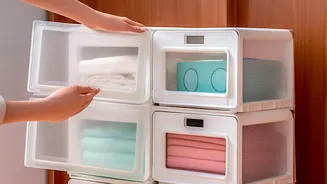
For the clothes you've decided to put away, proper storage is key. Never store them in plastic bags, which trap moisture. Instead, opt for breathable cotton garment bags. Placing a silica gel sachet inside the bag offers an extra layer of protection. For bulky items, vacuum-sealed bags are an excellent choice as they remove all air and moisture, preventing any possibility of fungal growth while also saving space. Ensure every single item is bone dry before it gets packed away.
Perfect Your Laundry and Drying Routine
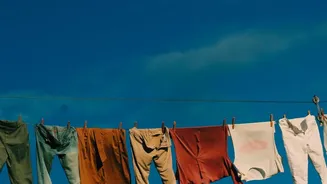
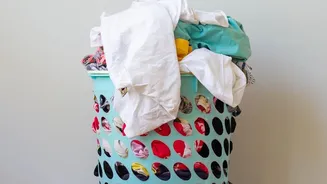
Monsoon wardrobe care starts with your laundry habits. Never, under any circumstances, place even slightly damp clothes inside your wardrobe. If you're drying clothes indoors, use a fan to keep air circulating and space the clothes out on the rack so they don't touch. Running an extra spin cycle in your washing machine can significantly reduce drying time. Ironing clothes before storing them is another pro-tip; the heat helps evaporate any lingering hidden moisture from seams and folds, killing spores.
Don't Forget Shoes and Accessories
Fungus doesn't discriminate; your leather shoes, belts, and handbags are just as vulnerable. Make sure to air them out regularly, especially after wearing them. Stuffing them with newspaper or placing silica gel packets inside can help absorb moisture. For shoes, rotating between pairs is a good practice, allowing each pair to dry out completely before its next use. Wiping them down with a dry cloth and storing them in a well-ventilated shoe cabinet with louvred doors can prevent that dreaded green-white layer of fungus from appearing.