





The Tale of Two Extraction Methods
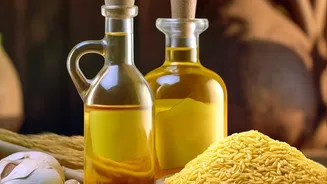
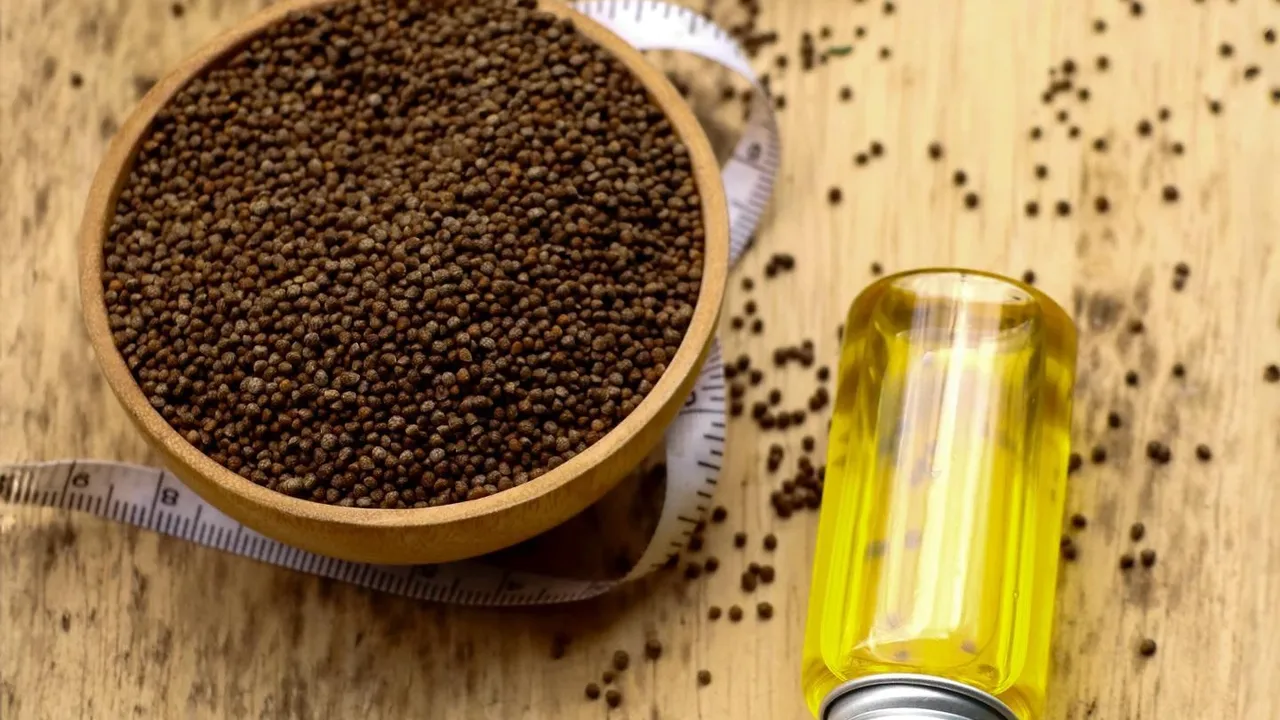
The fundamental difference between cold-pressed and refined mustard oil lies in how they are made. Cold-pressed oil, often labelled 'kachi ghani' or 'wood-pressed', is extracted using a traditional mechanical press at low temperatures. This process involves
slowly crushing mustard seeds without applying external heat, ensuring the oil is extracted in its most natural form. Think of it as getting the pure essence of the seed, with nothing added or taken away. In contrast, refined oil production is an industrial process designed for high yield and long shelf life. It often involves extracting oil using high heat and chemical solvents. The crude oil then undergoes multiple stages of processing, including bleaching to lighten its colour and deodorising to remove its strong, natural smell.
A Nutritional Showdown
The extraction method directly impacts the nutritional value of the oil. Because cold-pressing avoids high heat and chemical treatments, it preserves the natural goodness of the mustard seeds. Cold-pressed mustard oil is rich in essential fatty acids like omega-3 and omega-6, vitamin E, and natural antioxidants. These compounds are vital for heart health and reducing inflammation. The refining process, however, strips away many of these beneficial nutrients. The high temperatures and chemical washes can destroy the delicate vitamins and antioxidants, and sometimes even introduce trans fats, which are harmful to cholesterol levels.
Flavour, Aroma, and the Pungency Factor
Anyone who has used mustard oil knows its signature pungent aroma and sharp flavour. This is a hallmark of pure, cold-pressed oil and comes from a natural compound called allyl isothiocyanate. This compound is not just responsible for the taste; it's also linked to mustard oil's antibacterial and antifungal properties. Refined mustard oil, having been deodorised, is almost completely neutral in taste and smell. While some may prefer this neutrality for certain dishes, it comes at the cost of losing the oil's authentic character and some of its traditional health benefits. If your mustard oil lacks that sharp, sensory kick, it is a strong indicator that it has been heavily processed.
Decoding the Label in the Supermarket Aisle
When you're shopping, the label is your best guide. For the most natural product, look for terms like "Cold-Pressed," "Wood-Pressed," or "Kachi Ghani." In India, FSSAI regulations state that a product labelled "Mustard Oil (Kachi Ghani)" must adhere to a specific legal standard, making it a reliable term. Check the ingredients list; a pure cold-pressed oil should list only one ingredient: mustard oil. If you see numbers or names of additives like synthetic antioxidants (TBHQ, BHA), it's a clear sign the oil is refined. Also, look for the mandatory FSSAI licence number to ensure the product is legally approved for sale. An AGMARK Grade 1 certification is a further sign of top quality.
In the Kitchen: Which Oil for Which Dish?
Choosing the right oil also depends on your cooking method. A common misconception is that cold-pressed oils have a low smoke point. In reality, cold-pressed mustard oil has a high smoke point of around 250°C (480°F), making it very versatile. It is excellent for sautéing, tadkas, and preparing curries where you want its distinctive flavour to shine. It is also the traditional choice for making pickles, where its preservative qualities are highly valued. Refined oil can also handle high heat, but due to its neutral flavour, it is often used for deep frying where the taste of the oil is not meant to influence the food. For everyday cooking that embraces nutrition and authentic Indian flavours, cold-pressed mustard oil is the superior choice.