








A New Era in Weight Management
You've likely heard of them by now: GLP-1 receptor agonists like semaglutide and tirzepatide are revolutionising the management of obesity and type 2 diabetes. These medications work by mimicking natural hormones that regulate appetite and blood sugar,
leading to significant weight loss for many. Their effectiveness is undeniable, sparking a global conversation about new possibilities in health. However, as their use becomes more widespread, critical questions are emerging. The focus is shifting from just how much weight can be lost to understanding the broader effects on the body, especially when it comes to long-term health and what happens when these powerful drugs are paired with the time-tested benefits of physical activity.
Exercise: The Non-Negotiable Health Investment
Before we get into the combined effects, it’s crucial to remember that exercise is irreplaceable. Physical activity is one of the most powerful tools for supporting overall health. Its benefits are vast, improving everything from blood sugar control and blood pressure to sleep quality and mental health. A recent study from the University of Copenhagen highlighted this by showing that people with severe obesity who exercised regularly had healthier blood vessels and lower levels of inflammation compared to those who relied on medication alone. In fact, the study showed that while an older GLP-1 drug helped maintain weight loss, only the participants who exercised saw improvements in artery wall thickness, a key marker of cardiovascular risk. This reinforces a fundamental truth: medication is not a substitute for movement.
Better Together: The Synergy Effect
So, what happens when you combine these new medications with exercise? Research increasingly shows they offer additive benefits. Studies indicate that while the drugs are highly effective for shedding pounds, exercise is superior for maintaining lean muscle mass and cardiorespiratory fitness. This is critical because rapid weight loss from any source, including GLP-1s, can lead to a loss of muscle along with fat. Losing too much muscle can lower your metabolic rate and affect your strength. Strength training, in particular, becomes essential to preserve muscle and bone health during treatment. The combination appears to create a win-win: the medication helps control appetite and makes weight loss more achievable, while exercise protects muscle, boosts metabolism, and enhances overall health.
Impact on Blood Vessels and Inflammation
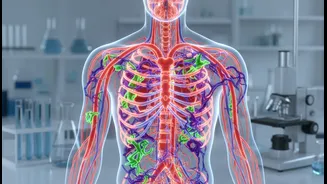
The headline's focus on blood vessels and inflammation is where the story gets particularly interesting. Chronic inflammation is a key driver of cardiovascular disease. Research shows that GLP-1 agonists have anti-inflammatory effects on their own, with studies noting reductions in key inflammatory markers like C-reactive protein (CRP). However, a University of Copenhagen study found that exercise provided the crucial benefit of improving vascular health, something not seen in the medication-only group. Combining the two approaches seems to yield even greater results, with studies noting bigger reductions in metabolic syndrome severity and inflammation. This one-two punch—the drug reducing systemic inflammation and exercise directly improving the health of blood vessel linings—could be a powerful strategy for lowering long-term cardiovascular risk.
The Challenge of Weight Maintenance
One of the biggest challenges in obesity treatment is keeping the weight off. Studies have shown that when people stop taking GLP-1 medications, they often regain a significant portion of the weight they lost. This is where exercise becomes vital for long-term success. Physical activity is consistently linked to more successful weight maintenance. A recent clinical study found that people who exercised while on weight-loss medication were more likely to keep the weight off and regained less if they eventually stopped the drug. This is likely because exercise helps preserve calorie-burning muscle mass and supports a healthy metabolism. Interestingly, some new research presented at the ENDO 2026 conference found that some people on these medications actually become less active, possibly due to side effects like fatigue. This highlights the need for doctors and patients to proactively make exercise a core part of the treatment plan from the start.