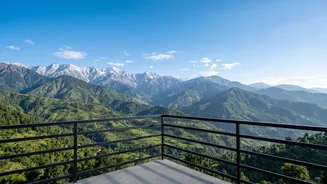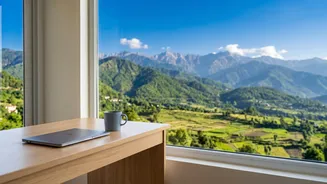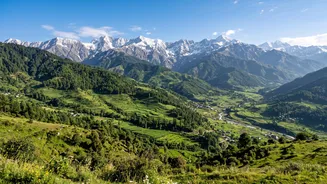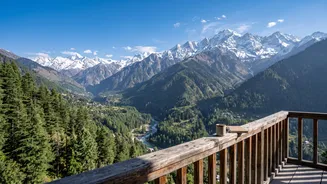

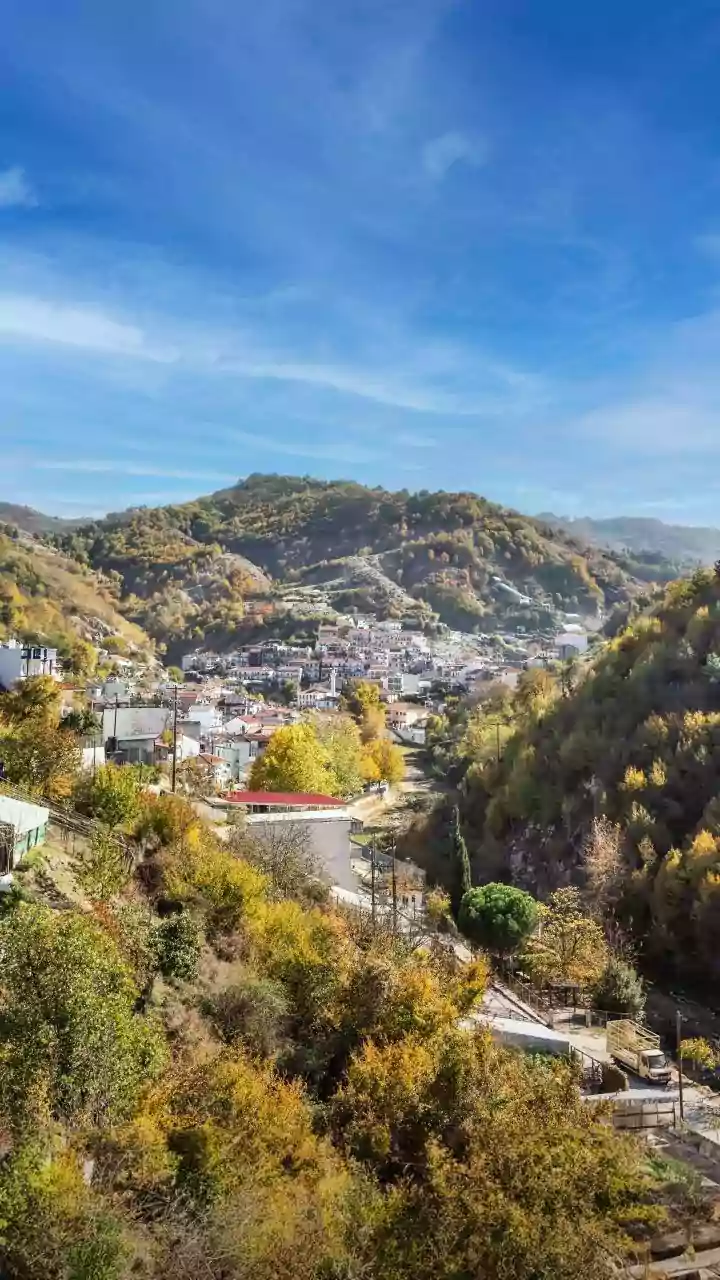


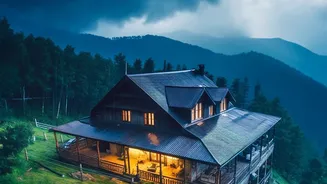


More Than Just an Adventure Town
For years, Bir's reputation was built on adrenaline. It's known globally as one of the best sites for paragliding, hosting international events and attracting thousands of thrill-seekers. But many who came for a weekend of flying found themselves wanting
to stay longer. The town's unique blend of Tibetan culture, serene monasteries, and a slower pace of life offered a stark contrast to the chaos of city living. Unlike heavily commercialized hill stations, Bir has retained a calmer, more authentic personality. This tranquil environment, perfect for focus and unwinding, laid the groundwork for its next evolution. Travellers started to see it not just as a place for a short trip, but as a destination to pause, live, and work.
The Wi-Fi Revolution in the Hills
The single biggest catalyst for Bir's transformation was the dramatic improvement in its digital infrastructure. The idea of a mountain workation once seemed impractical due to unreliable connectivity, but Bir's hostels and cafes recognised the growing demand from long-stay visitors. They began investing in high-speed fibre-optic internet, with many now offering stable connections powerful enough for video calls, cloud-based work, and large file transfers. Some hostels even provide multiple backup lines and power generators to ensure an uninterrupted workflow, even during the monsoon season. This reliability has become a key selling point, turning the promise of 'Wi-Fi available' into the reality of 'work-friendly internet' with speeds often ranging from 30 to 100 Mbps in well-equipped establishments.
Community, Comfort, and Cost
Fast internet was the entry ticket, but the hostel culture is what truly cemented Bir's workation status. Hostels are no longer just about cheap dorm beds; they have evolved into vibrant social hubs. They offer a mix of private rooms and dorms, dedicated co-working areas, and in-house cafes, creating an environment where remote workers can be productive during the day and connect with like-minded travellers in the evenings. This sense of community is a major draw for solo freelancers and digital nomads looking to beat the isolation of remote work. Furthermore, Bir is remarkably affordable. With monthly costs for a comfortable workation—including stay, food, and Wi-Fi—estimated to be between ₹20,000 and ₹40,000, it presents a financially sustainable alternative to city life.
The Perfect Blend of Work and Play
A successful workation isn't just about work; it's about the 'vacation' that comes after you shut your laptop. Bir excels at this balance. The town is highly walkable, with a high concentration of cafes perfect for a change of scenery, such as Garden Café, June 16 Café, and Avva's Café. After a day of focused work, professionals can step out to watch paragliders land against a sunset backdrop, explore peaceful monasteries, or take short hikes on nearby trails. This effortless switch from productivity to leisure is what many remote workers crave. The town's atmosphere encourages a healthy routine: focused work during the day followed by exploration and relaxation in the evening, making work feel less like a chore and more a part of a fulfilling lifestyle.