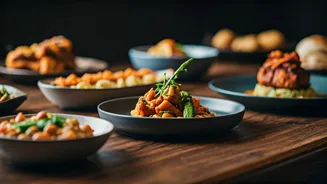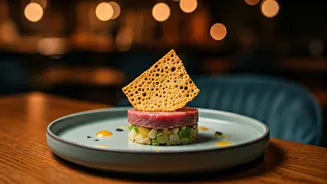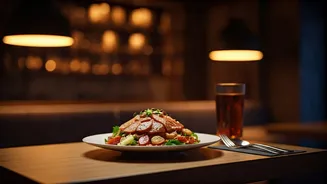




The New Culinary Hotspots
Move over, Delhi and Mumbai. The real action in India's food industry is now bubbling up in cities like Jaipur, Lucknow, Coimbatore, Chandigarh, and Indore. [6, 9] These emerging hubs are no longer just secondary markets; they are becoming the primary
growth engines of the country's restaurant and food delivery ecosystem. [6] Dining out is no longer a rare treat but a regular lifestyle choice, driven by a young, aspirational population with rising disposable incomes. [10, 12] This shift is fuelling a vibrant explosion of new cafes, themed restaurants, and innovative dining concepts that are giving the metros a run for their money. [6]
What's Driving the Delicious Disruption?
Several factors are stirring this pot of change. A significant driver is the lower cost of operations. Cheaper real estate—sometimes as low as one-tenth of metro rates—and more affordable labour allow entrepreneurs to experiment and achieve profitability faster. [9, 12] This economic advantage is attracting a new generation of chefs and food business owners, many of whom are moving back to their hometowns after gaining experience in bigger cities. [18] This "reverse migration" brings skills and new ideas, creating a perfect recipe for innovation. [18, 24] They are often backed by local investors rather than large VC firms, allowing for more creative control over their ventures. [18]
Faster: The Tech-Infused Revolution
The word "faster" here means more than just quick service. It reflects the rapid expansion of technology into the food sector. Food delivery giants like Zomato and Swiggy have aggressively expanded into smaller cities, making a vast array of cuisines accessible with a tap. [15, 19] For many small restaurants, these platforms have been a game-changer, boosting sales and visibility without the need for a large marketing budget. [13] This has also spurred the boom in cloud kitchens, or delivery-only restaurants, which can operate with minimal overheads. [5, 8] The cloud kitchen market in India is expected to see remarkable growth, with Tier-2 cities being the next major frontier. [7, 8, 11]
Fresher: The Rise of Farm-to-Table
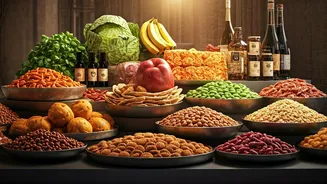
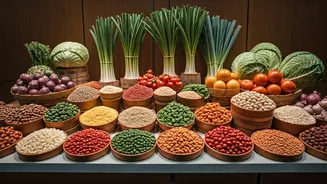
The quest for "fresher" food is leading to a greater emphasis on local sourcing and sustainability. [22] Chefs in Tier-2 cities often have better and more direct access to high-quality local produce, from indigenous varieties of vegetables to single-estate spices. [18] This has fuelled a growing farm-to-table movement, even outside the traditional metro hubs. Restaurants in places like Lucknow and Bengaluru are building menus around seasonal, locally sourced ingredients, offering a dining experience that is both authentic and sustainable. [23, 25] This not only improves food quality but also supports local farmers and reduces the carbon footprint associated with transporting ingredients over long distances. [22]
Better: A New Era of Dining Experiences
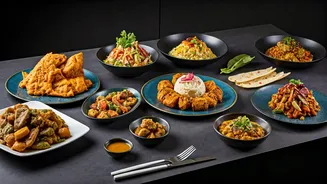
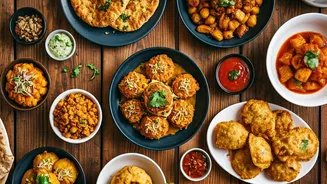
Ultimately, the food scene is getting "better" because it's becoming more diverse and experience-driven. Consumers in Tier-2 cities are digitally savvy, follow global food trends on social media, and are eager to experiment with new cuisines and concepts. [6, 10] This has created demand for everything from gourmet burgers and artisanal coffee to fine-dining tasting menus. [6, 18] Restaurants are responding by creating unique, thoughtfully designed spaces and personalized experiences. [27] The result is a more dynamic and democratic food culture, where a great meal is no longer defined by your pin code, but by creativity, quality, and a connection to the community.