



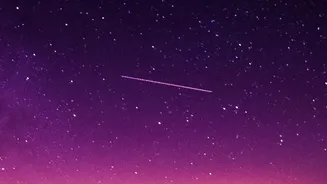

The Legacy of Halley's Comet
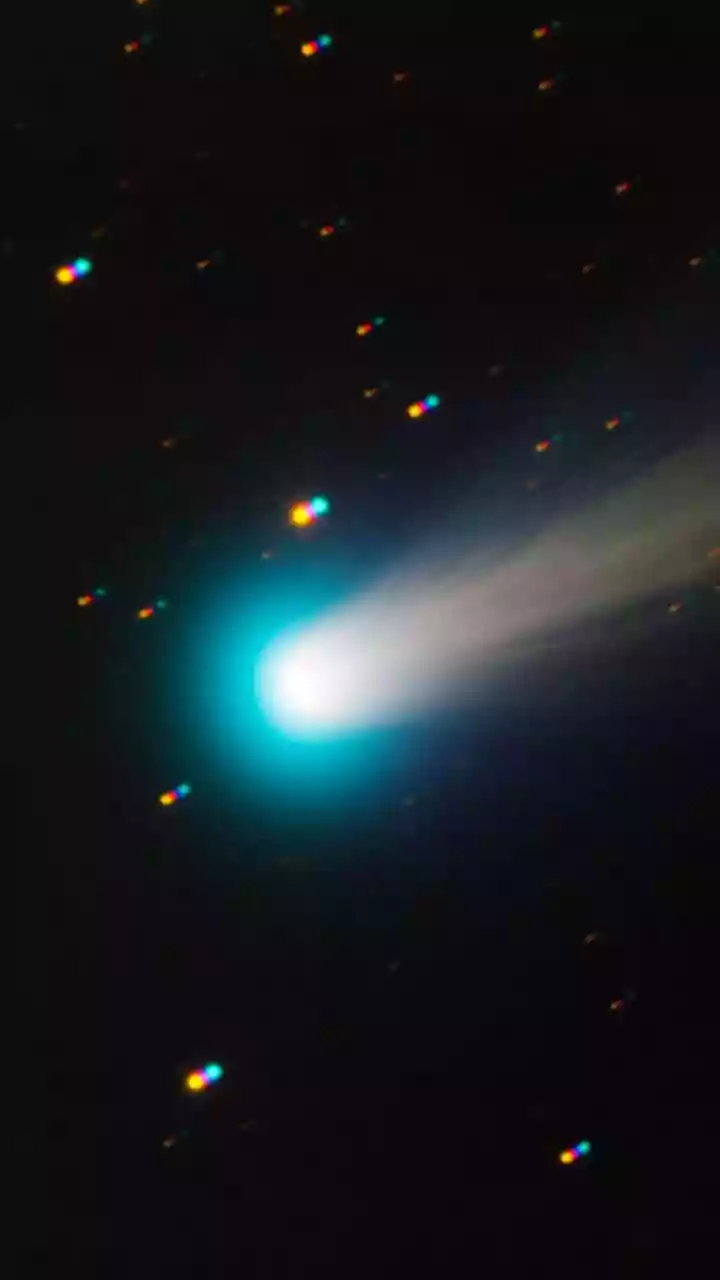
The Orionid meteor shower is one of two annual displays caused by debris from the famous Halley's Comet, which orbits the sun roughly every 76 years. As our planet intersects with this stream of ancient cometary dust, tiny particles burn up in our atmosphere
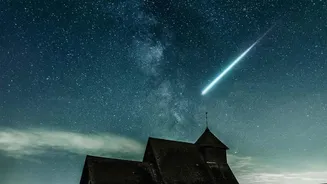
at tremendous speeds—around 66 kilometres per second—creating the fast, bright streaks we call meteors. These meteors are known for being particularly swift and can sometimes leave persistent, glowing trails that hang in the sky for a few moments after the initial flash. The shower is named the Orionids because the meteors appear to radiate from a point within the constellation Orion, the Hunter.
The Challenge: A Bright Moon
This year, the Orionids are set to peak on the night of October 21-22, 2026. Normally, in a dark sky, you could expect to see about 15 to 20 meteors per hour. However, the 2026 peak coincides with a waxing gibbous moon, which will be about 80% illuminated. This bright moonlight will wash out the sky for much of the night, making it difficult to spot the fainter meteors. The moon will be a significant source of natural light pollution, reducing the overall number of visible meteors for casual observers.
Your Best Viewing Window
Fortunately, there is a window of opportunity for dedicated observers. The bright moon is expected to set around 3 a.m. local time on the peak mornings. This creates a period of true darkness in the hours between moonset and the beginning of dawn twilight, typically around 5 a.m. This pre-dawn window will be the absolute best time to watch the shower. The radiant point in Orion will also be high in the sky during these hours, further increasing your chances of seeing meteors. It's worth noting the shower has a broad peak, so viewing a night or two before or after October 21-22 can also be rewarding.
Tips for a Successful Watch
To make the most of the 2026 Orionids, planning is key. First, get away from city lights. The darker your location, the more meteors you will see, even with the moon's initial interference. Places like Ladakh, Spiti Valley, or the deserts of Rajasthan, known for clear, dark skies, are ideal, as October is generally post-monsoon for most of India. Once you're at your spot, give your eyes at least 20-30 minutes to fully adapt to the darkness; this means putting away your phone. You don't need a telescope or binoculars. Simply lie back on a blanket or comfortable chair and look up. While the meteors radiate from Orion, they can appear anywhere in the sky, so a wide view is best. Patience is the most crucial tool of all.
Your Stargazing Checklist
Before you head out, prepare for a comfortable wait. Dress in warm layers, as even post-monsoon nights can get chilly, especially in high-altitude or desert regions. Pack a reclining chair or a thick blanket to lie on. Bring warm drinks and snacks to keep you going through the early morning hours. Check the weather forecast for clouds before you leave, as a clear sky is essential. Finally, set an alarm for the pre-dawn hours. While the bright moon presents a challenge early in the night, the darkest part of the morning holds the promise of a memorable celestial show for those willing to wait for it.