



Beyond the Guidebooks: Why Meghalaya?
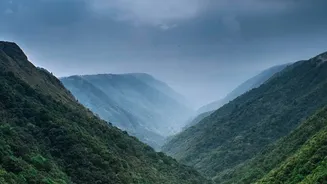
Meghalaya, the 'Abode of Clouds', has long captivated travellers with its dramatic landscapes. But for young backpackers, the appeal runs deeper than just the stunning views from Laitlum Canyons or the thrill of seeing the Nohkalikai Falls. They come
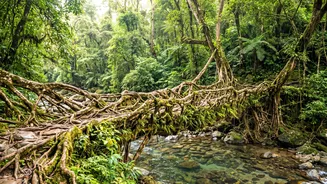
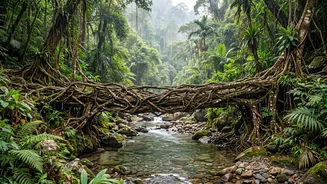
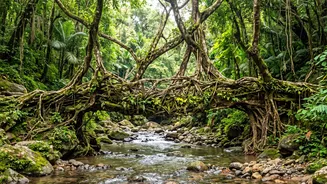
seeking the living root bridges of Nongriat, engineered by generations of Khasi villagers, and the crystal-clear waters of the Umngot River in Shnongpdeng. This style of travel is a conscious move away from crowded tourist spots towards something more real. It’s about swapping a rushed itinerary for slow, meaningful experiences—waking up to the sounds of a village, not an alarm, and discovering trails that aren't marked on every map. The goal isn't just to see Meghalaya, but to feel it.
More Than a Bed: The Homestay Experience
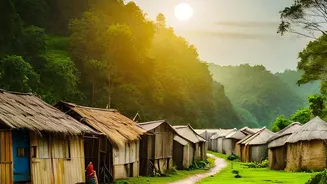
The core of this travel style is the homestay. These are not fancy hotels; many are simple, clean rooms attached to a family's home, often built with bamboo and local wood. What they lack in luxury, they make up for in authenticity. Staying in a homestay in villages like Mawlynnong or Kongthong means you’re not just a tourist, you're a guest. Evenings are spent sharing stories with your hosts, not watching television. The highlight for many is the food—home-cooked Khasi meals like Jadoh (a rice and meat dish) or Dohneiiong (pork with black sesame), prepared with love and local ingredients. It’s an immersion into daily life that provides a glimpse into the state’s unique matrilineal society and sustainable practices. In recent years, the state government has also recognized this trend, launching the Chief Minister's Homestay Mission to help residents build or upgrade rooms, further strengthening this community-led tourism model.
Finding Your Footing: How to Plan Your Trip
Getting around Meghalaya requires a bit of planning, but it's part of the adventure. The journey usually begins from Guwahati, from where shared sumos (jeeps) or buses make the 3-hour trip to Shillong. From Shillong, a network of these shared taxis connects to major towns and villages. They operate on a 'leave when full' basis, so an early start is always a good idea. For popular destinations like Nongriat or Mawlynnong, it's wise to book homestays in advance, especially during peak season (October to May). However, in many less-frequented villages, backpackers often arrive and find a place to stay with local guidance. A backpacker's daily budget can range from ₹1,500 to ₹3,500, covering a basic homestay (around ₹800–₹1,500), food, and transport. It’s essential to carry enough cash, as ATMs are scarce outside of Shillong.
Travel with Respect: Being a Conscious Backpacker
This immersive form of travel is built on a foundation of mutual respect. Homestays provide a vital source of income for local communities, allowing them to earn a livelihood without being displaced. As a traveller, being a good guest is paramount. This means respecting local customs, dressing modestly, and always asking for permission before taking photographs of people or their homes. It’s about engaging in a genuine cultural exchange, not just a transaction. Simple gestures, like learning a few words of Khasi, showing interest in your host's family and way of life, and minimising your environmental footprint, go a long way. The principle is simple: leave the place, and the people, better than you found them. By travelling consciously, backpackers ensure that this beautiful, sustainable model of tourism can thrive for years to come.