






Understanding the Sugar Spike
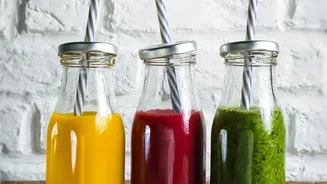
When you drink a fruit or vegetable juice, you’re consuming its sugars without one of nature’s most important safeguards: fibre. The juicing process extracts the liquid from the produce but leaves behind the pulp and skin, which are rich in fibre. This
fibre is crucial because it slows down digestion, leading to a more gradual release of sugar into your bloodstream. Without it, the sugar from the juice floods your system all at once, causing your blood glucose to soar. This is followed by a rapid drop as your body releases insulin to manage the sugar, leaving you feeling tired, irritable, and often craving more sugar.
Prioritise Vegetables Over Fruits
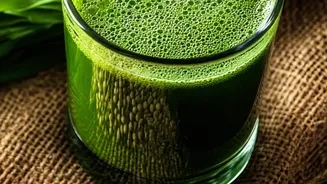
The simplest and most effective strategy is to change the ratio of your ingredients. Make vegetables the star of your juice and use fruit sparingly as a natural sweetener. Vegetables like cucumber, celery, spinach, and kale have a much lower sugar content than most fruits. A good rule of thumb is to aim for a juice that is about 80% vegetables and only 20% fruit. This dramatically lowers the overall sugar load without sacrificing flavour entirely. A small piece of green apple or a squeeze of lemon can add a touch of sweetness or brightness to a veggie-heavy drink.
Pair Your Juice with Protein and Fat
Never drink juice on an empty stomach. Consuming carbohydrates, like the sugar in juice, alongside protein and healthy fats can significantly slow down the absorption of sugar. This pairing acts as a buffer, preventing the rapid glucose spike. Before or with your juice, have a handful of almonds, walnuts, or a small bowl of Greek yogurt. Another option is to blend a scoop of unflavoured protein powder or a tablespoon of nut butter directly into your juice, which also adds a creamy texture and makes it more of a satisfying, balanced snack.
Add Fibre Back Into the Equation
Since juicing removes fibre, one workaround is to add it back in. Stirring a tablespoon of ground flaxseed, chia seeds, or psyllium husk into your glass can reintroduce the soluble fibre needed to slow sugar absorption. These additions also provide extra nutrients like omega-3 fatty acids and can help you feel fuller for longer. Alternatively, consider switching to smoothies. Blending uses the whole fruit or vegetable, retaining all the beneficial fibre from the start, making it a naturally better option for blood sugar stability.
Choose Low-Sugar Fruits
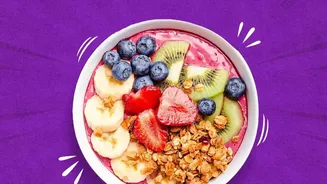
Not all fruits are created equal when it comes to sugar content. If you want to include fruit in your juice, opt for those with a lower glycemic index. Berries like strawberries and blueberries, citrus fruits such as grapefruit and lemon, and fruits like kiwi are excellent choices. Fruits like mangoes, pineapples, and grapes are much higher in sugar and should be used in very small quantities, if at all. Being selective about your fruit helps keep the total sugar count in a healthier range.
Mind Your Portion Size and Timing
Even with healthier ingredients, portion control is key. Instead of a large tumbler, limit yourself to a small glass of around 150 ml. If you’re craving a larger drink, dilute your juice with an equal amount of water to halve the sugar concentration per sip. It’s also best to consume juice alongside a balanced meal rather than as a standalone drink, especially in the morning when your body can be more sensitive to sugar. Having it with food that contains fibre, fat, and protein provides the ultimate defence against a blood sugar surge.