




Which Plants Should I Choose?
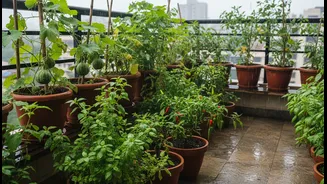
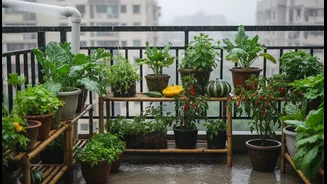
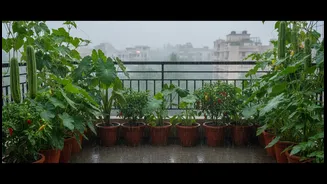
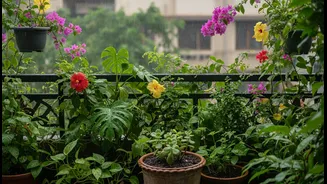
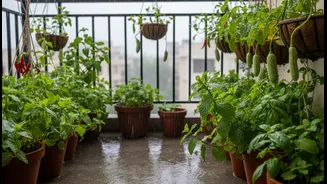
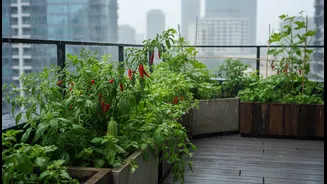
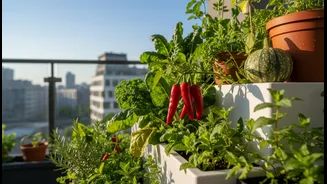
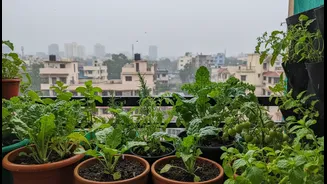
The key to a successful monsoon garden is choosing plants that thrive in humidity and rain. For a small balcony, focus on varieties that grow well in pots. Gourds are a fantastic choice for the rainy season. Varieties like bottle gourd (lauki), bitter
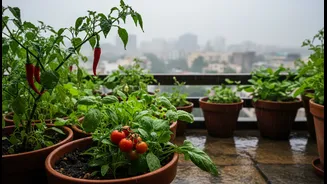
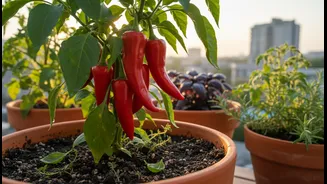
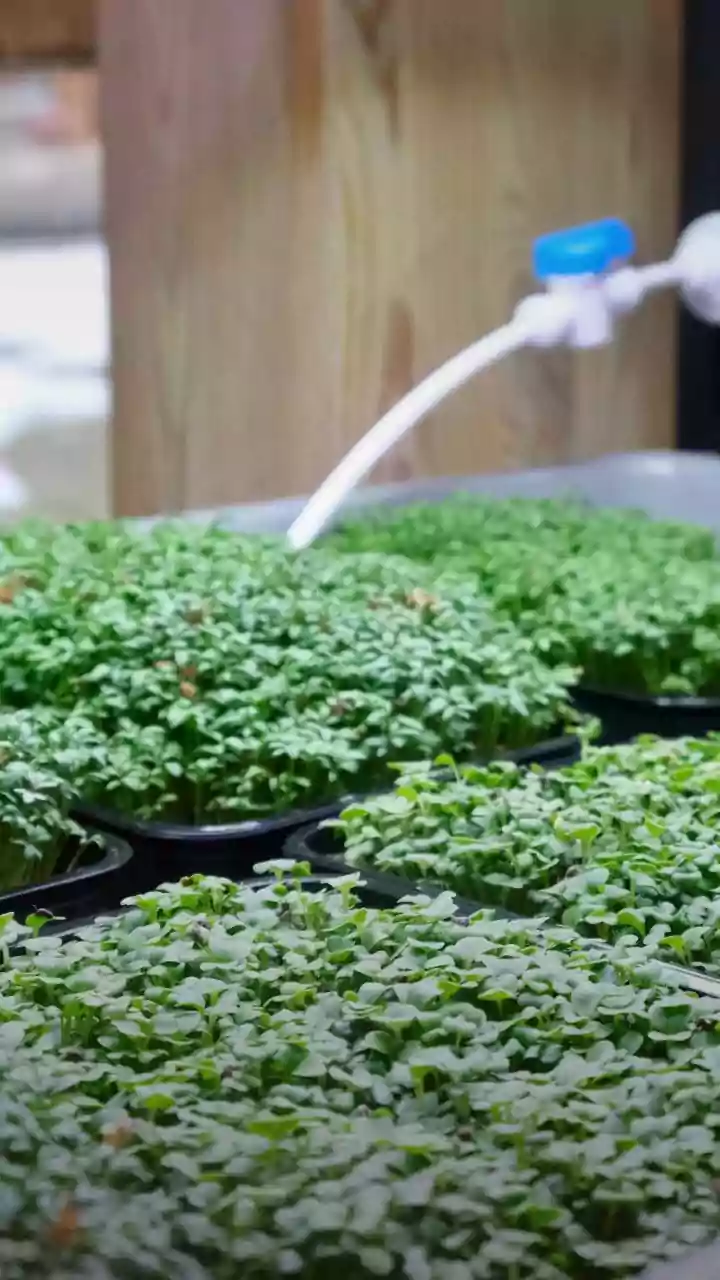
gourd (karela), and snake gourd flourish in warm, humid conditions. They are climbers, so you will need to provide a sturdy trellis or support for them to grow vertically, which also saves space. Green chillies are another excellent option, as they adapt well to pots and provide a continuous harvest. For leafy greens, consider spinach (palak) and amaranth (chaulai), which grow quickly in the mild, moist weather. Herbs like tulsi (holy basil), mint, and coriander also do exceptionally well, and their fresh leaves are perfect for monsoon teas and chutneys. If you have slightly larger pots, compact varieties of brinjal (eggplant) can be very productive.
What Kind of Pots and Soil Are Best?
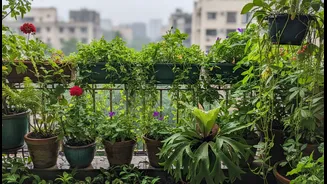
The single most critical factor for container gardening in the monsoon is drainage. Heavy rains can easily lead to waterlogged soil, which suffocates roots and causes them to rot. Always choose pots with multiple drainage holes at the bottom. You can use terracotta pots, grow bags, or even recycled containers, as long as water can escape freely. It's also a great practice to elevate your pots using bricks or pot stands to ensure the drainage holes don't get blocked and to improve air circulation. Avoid using heavy garden soil alone, as it compacts easily and retains too much water. Instead, create a light, well-draining potting mix. A good combination is equal parts garden soil, compost, and a material like coco peat or perlite. This mix holds enough moisture for the plant but allows excess rainwater to drain away quickly, keeping the roots healthy.
How Do I Protect Plants From Heavy Rain?
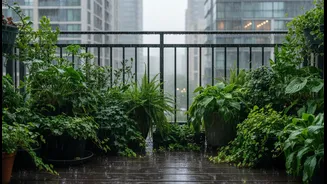
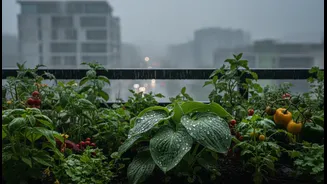
While monsoon showers are beneficial, intense downpours can physically damage delicate plants, break stems, and wash away soil. If your balcony is exposed, consider moving smaller, more sensitive pots under an overhang during heavy spells. For larger pots that can't be moved, you can use temporary rain covers. Another major challenge is overwatering. Never stick to a fixed watering schedule during the rains. Before watering, always check the soil by poking your finger about an inch deep. If it feels moist, wait. Your plants will likely need much less manual watering. If a pot becomes waterlogged after a heavy shower, you can gently tilt it to help excess water drain out. For plants in the ground or large beds, creating small drainage channels can guide water away from the root zone.
What About Pests and Sunlight?
The high humidity of the monsoon creates a perfect breeding ground for fungal diseases and pests. Common issues include powdery mildew, leaf spot, aphids, and slugs. To manage these, ensure there is good air circulation between your plants by not overcrowding them. Regularly prune any dead or yellowing leaves, as they can trap moisture and harbor fungi. A weekly spray of neem oil solution (a mix of neem oil, liquid soap, and water) is an excellent organic way to keep most pests at bay. Sunlight can also be a challenge on cloudy days. Most vegetable plants, including chillies and gourds, need at least 4-6 hours of sun to produce well. Position your pots in the brightest part of your balcony. If your space receives limited light, focus on leafy greens like spinach and herbs like mint, which are more tolerant of partial shade.