







The Flaw in 'Crash Diet' Budgeting
When financial pressure mounts, the first instinct for many is to make a drastic, one-time cut. This 'crash diet' approach to budgeting involves eliminating a major expense or slashing a spending category overnight. You might cancel all subscriptions,
stop dining out completely, or put a moratorium on shopping. While it feels decisive, this strategy often backfires. Psychologically, severe restrictions can lead to feelings of deprivation, making the new rules hard to stick to. Much like a crash diet, the results are often temporary. Once the initial pressure eases, old habits creep back in, and the budget is quickly abandoned. This cycle of drastic cuts followed by a return to overspending creates financial instability and stress, rather than control.
The Power of Consistent, Small Adjustments
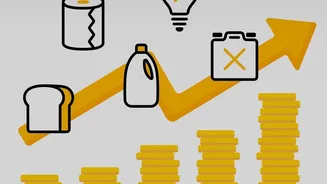
A more sustainable and effective approach is the regular budget review. Think of it as a routine check-up for your finances. Instead of waiting for a crisis, you proactively look at your income and expenses on a consistent basis—ideally, every month. This practice transforms budgeting from a reactive, stressful event into a proactive habit of financial management. Recent studies on household spending in India show that rising costs are forcing families to allocate more of their income to essentials like housing, healthcare, and transport, while cutting back on other areas. Regular reviews allow you to see these shifts happening in real-time and make small, manageable adjustments before they become major problems. It's the difference between slightly turning the steering wheel to stay on course versus yanking it hard to avoid a crash.
Making the Review Process Work for You
A monthly review doesn't have to be complicated. Start by looking at your bank and credit card statements from the past month. Compare your actual spending against what you had planned. Ask yourself a few simple questions: Where did I overspend? Were there any surprise expenses I didn't account for? Are there any subscriptions I'm paying for but no longer use? The goal isn't to judge past spending but to gather information for the month ahead. You might notice that fuel costs have risen, forcing you to allocate slightly less to entertainment. Or you might find you’re spending more on food delivery than you realised and decide to cook at home one extra night a week. These small tweaks are easier to implement and sustain than drastic cuts.
A Simple Framework for Indian Households
For those new to budgeting, a simple framework like the 50/30/20 rule can be a great starting point. This guide suggests allocating 50% of your take-home income to 'Needs' (rent/EMI, groceries, utilities, transport), 30% to 'Wants' (dining out, shopping, travel), and 20% to 'Savings and Investments'. However, given the Indian context with varying income levels and high essential costs in metro cities, this rule should be flexible. If your needs take up 60%, you might adjust your wants and savings to 20% each. The framework's real value isn't the exact percentages, but the discipline it instills. It forces you to assign every rupee a purpose, helping you see where your money is going and where adjustments can be made during your monthly review.
From Surviving to Thriving
The impact of rising costs is real. Many Indian families are finding it harder to maintain their savings and are shifting to smaller pack sizes for everyday essentials to manage tight budgets. In this environment, a reactive approach to finance is a recipe for anxiety. Regular budget reviews shift the dynamic, putting you in control. They help you adapt to changing economic conditions, prevent debt, and ensure you're still making progress toward your long-term goals, even when times are tough. It's about moving from a mindset of financial survival to one of financial wellness and resilience, one month at a time.