



From Data Tsunami to Smart Insights
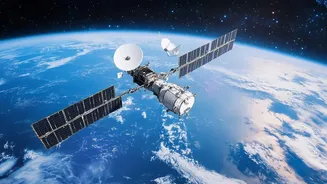
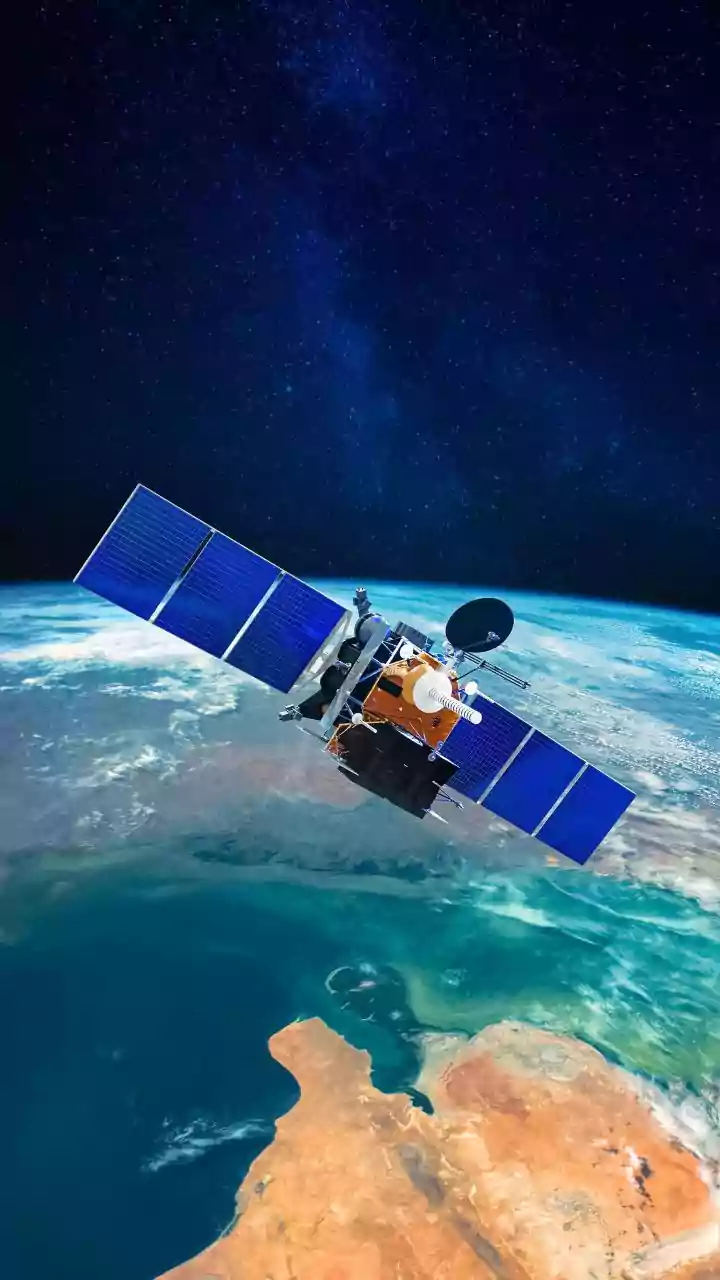
Modern satellites are incredibly powerful, capturing petabytes of data about our planet daily. This includes everything from weather patterns and crop health to urban expansion and maritime traffic. However, this creates a significant challenge: a data tsunami
so massive that human analysts cannot possibly sift through it all in a timely manner. This is where AI steps in. Instead of beaming enormous raw data files back to Earth, AI algorithms can process this information directly on the satellite. This concept, known as edge computing, allows the satellite to identify what's important, filter out irrelevant noise like cloud cover, and send back only actionable insights. This dramatically reduces the time between data capture and decision-making, a critical advantage in many fields.
Smarter Earth Observation
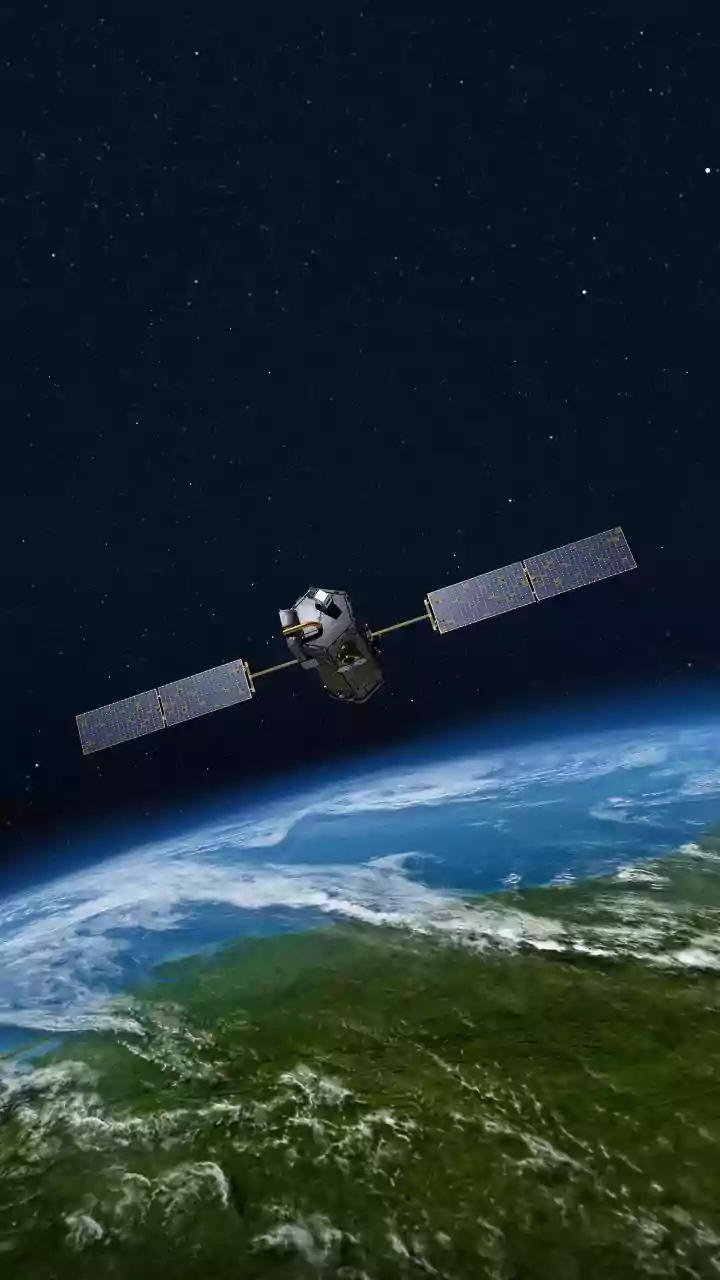
The most immediate impact of AI will be on Earth observation. For a country like India, the applications are immense. In agriculture, AI can analyze hyperspectral images to monitor crop health, detect pest infestations, and predict yields with greater accuracy, empowering farmers and ensuring food security. During natural disasters, AI-powered satellites can autonomously detect floods or wildfires as they happen, analyze their spread in near real-time, and provide crucial information to first responders, saving lives and resources. This technology also supports better urban planning by monitoring infrastructure changes and environmental impacts, helping to build more resilient and sustainable cities.
The Dawn of Autonomous Satellites
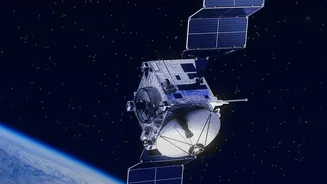
Traditionally, satellites have been heavily reliant on constant communication with ground stations for commands and control. AI is set to change this, enabling a new generation of autonomous satellites. These intelligent systems will be able to manage their own operations, from optimizing power consumption and performing routine health checks to autonomously navigating and avoiding space debris or other satellites. This self-management capability not only reduces the operational burden on ground crews but also makes satellite constellations more robust and resilient. If one satellite in a network faces an issue, others could use AI to coordinate and adjust their positions to maintain coverage, all without human intervention.
Bolstering National Security
The strategic implications of AI in space are also significant. For national security, intelligent satellites can provide a persistent and automated watch over sensitive areas. AI algorithms are capable of automatically detecting and identifying objects of interest, such as ships, aircraft, or changes in infrastructure along borders, and flagging them for human review. This enhances India's surveillance capabilities and situational awareness. As geopolitical competition extends into space, having an intelligent, autonomous satellite network is becoming a key component for securing strategic autonomy. Recent developments by Indian startups in AI-powered space surveillance networks highlight this growing focus.
India's Growing AI-Space Ecosystem
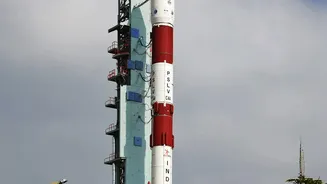
This technological shift is being driven not just by ISRO but by a burgeoning private space-tech ecosystem in India. Startups like Pixxel, Digantara, and Sarvam AI are at the forefront, developing everything from AI-powered analytical platforms to entire satellites designed for in-orbit data processing. Projects like 'Pathfinder,' a collaboration to create an AI-powered orbital data centre, demonstrate the ambition to build foundational infrastructure in space. ISRO itself is actively incorporating AI and machine learning into major initiatives, including the Gaganyaan human spaceflight program and its Earth observation data analysis, often collaborating with academic institutions to push the boundaries of what's possible.