



Meet the Tiniest Nutritional Giant
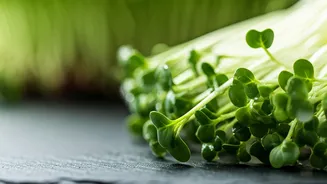
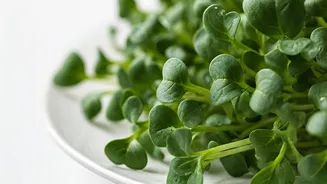
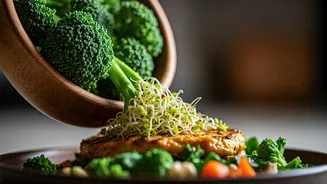
They may look like delicate alfalfa sprouts, but don’t be fooled by their size. Broccoli shoots, also known as broccoli sprouts, are the three- to five-day-old seedlings of the broccoli plant. At this infant stage, they are a hyper-concentrated source
of the compounds that make full-grown broccoli a health-food staple. Think of them as the nutritional espresso shot of the vegetable world—a small serving packs a significant punch, delivering a payload of vitamins and powerful plant compounds long before the plant matures into a full head of florets.
The Secret Ingredient: Sulforaphane
The magic of broccoli sprouts lies in a compound called sulforaphane. Technically, the sprouts don't contain sulforaphane itself, but its precursor, glucoraphanin. When the plant's cell walls are broken by chewing or chopping, an enzyme called myrosinase is released, which converts glucoraphanin into the powerhouse sulforaphane. Research, much of it pioneered at institutions like Johns Hopkins, has highlighted sulforaphane’s ability to activate the body's natural detoxification pathways and antioxidant defenses. While no single food can make you immune to illness, incorporating foods rich in compounds like sulforaphane is a well-regarded strategy for supporting the complex systems that protect your body. It helps fortify your internal environment, making it more resilient.
Why Sprouts Beat the Full-Grown Vegetable
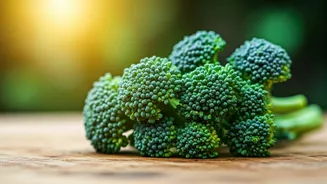
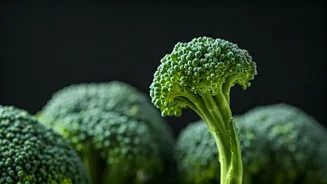
While mature broccoli is incredibly good for you, its sprouts are in another league when it comes to sulforaphane potential. Studies have shown that broccoli sprouts can contain 20 to 50 times more glucoraphanin by weight than a mature broccoli head. This means a small handful of sprouts sprinkled over your meal can provide a dose of this beneficial compound that you’d need to eat a much larger quantity of florets to match. For anyone looking for maximum nutritional impact with minimum volume, sprouts are the clear winner. They offer an efficient, low-calorie way to access one of nature’s most studied plant compounds.
How to Sprinkle Your Way to Better Health
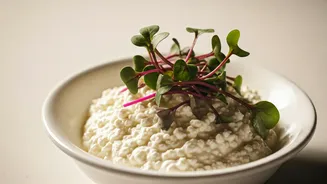
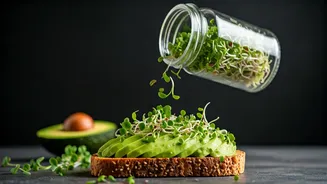
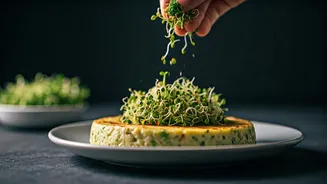
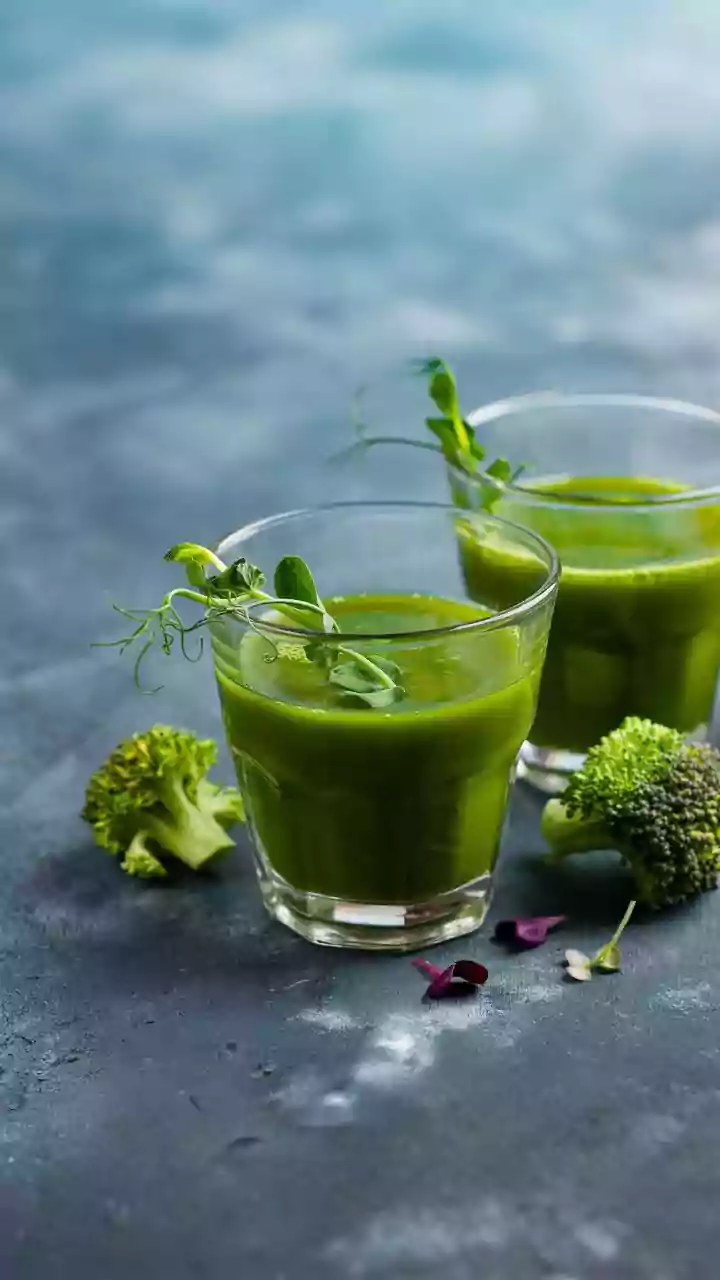
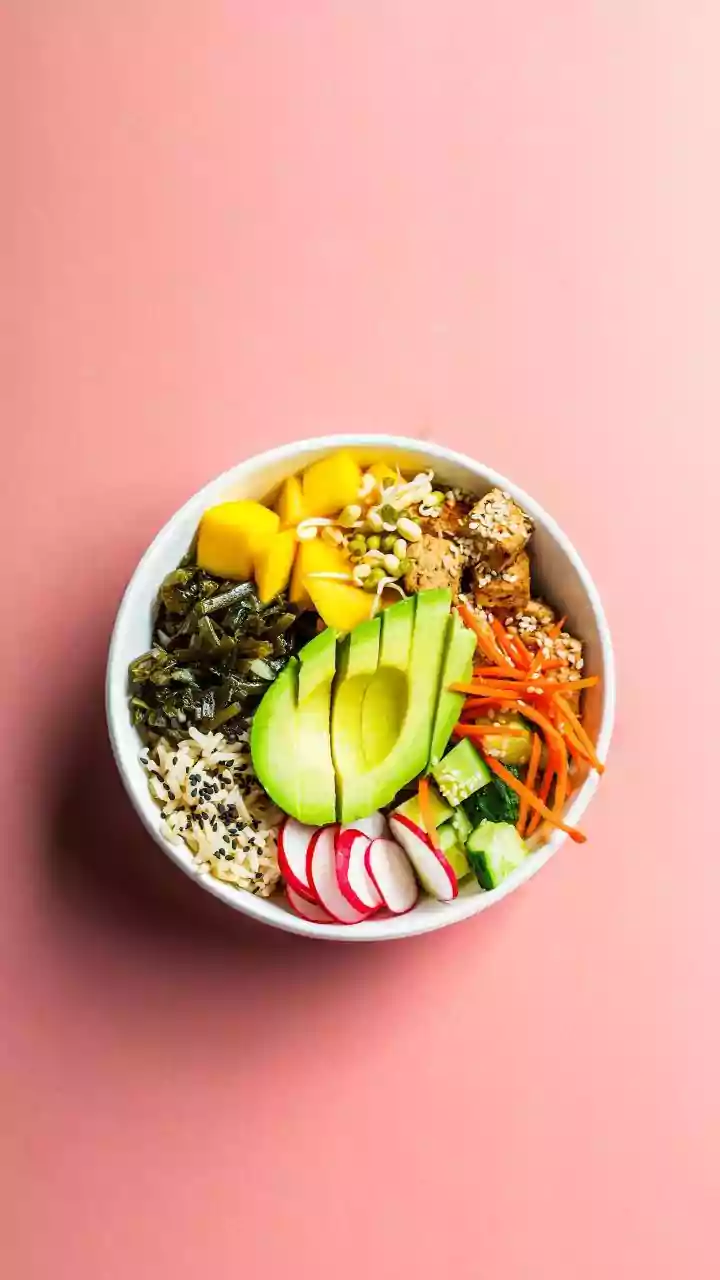
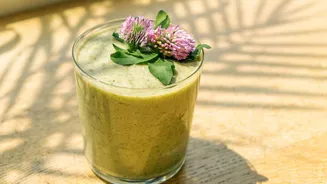
Integrating broccoli sprouts into your diet couldn't be easier, but there’s one key rule: to maximize the benefits, eat them raw or very lightly heated. High heat can destroy the myrosinase enzyme needed to create sulforaphane. Their fresh, peppery crunch makes them a versatile garnish and ingredient. Try tossing a generous handful into a salad for extra texture and zest. Layer them into sandwiches and wraps in place of lettuce for a nutrient upgrade. Sprinkle them over a finished bowl of soup, chili, or a pasta dish right before serving. You can also fold them into an omelet at the very end of cooking or blend them into a green smoothie for a nearly undetectable health boost.
Finding and Storing Your Sprouts
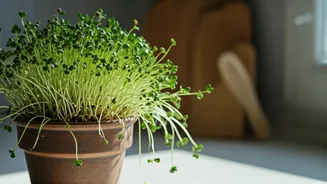
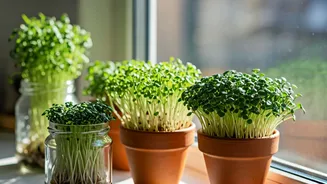
You can typically find broccoli sprouts in the refrigerated produce section of health food stores, farmers' markets, and increasingly, in larger supermarkets, often sold in small plastic clamshells. Look for sprouts that are fresh, crisp, and green, avoiding any that appear slimy, wilted, or yellowed. At home, keep them refrigerated and try to use them within a few days for optimal freshness and potency. For the dedicated and budget-conscious, growing your own broccoli sprouts at home is a simple and rewarding process. All you need are sprouting seeds, a jar with a mesh lid, and water, allowing you to have a fresh supply ready at all times.