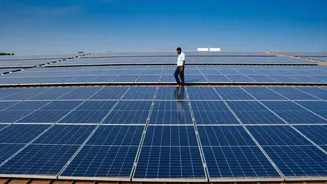









A New Academy for a National Mission
A key initiative is the India-Australia Rooftop Solar Training Academy, which recently welcomed its first cohort of technicians in Gandhinagar. This academy is a significant milestone in the partnership between the two nations, designed to directly support
India's ambitious 'PM-Surya Ghar: Muft Bijli Yojana' scheme. The program aims to install rooftop solar on one crore households, a goal that relies heavily on a large, skilled workforce. The academy, a collaboration between the Australian Government, Indian renewable energy company ReNew, and Pandit Deendayal Energy University, will train 2,000 technicians and helpers in its first two years. This effort is part of a broader push by organisations like the Skill Council for Green Jobs (SCGJ), which are central to creating the green-collar jobs needed for India's energy transition.
The Blueprint for a Solar Technician
The training goes far beyond simply placing panels on a roof. The curriculum is comprehensive, covering the entire lifecycle of a solar project. Trainees learn the fundamentals of solar PV technology, electrical wiring, and the proper use of safety equipment, which is crucial for rooftop work. The courses, like the long-standing Suryamitra program, often involve 600 hours of training, blending classroom theory with essential hands-on practicals, on-the-job training, and even industrial visits. Key skills include site assessment, system installation, commissioning, inspection, and testing to ensure optimal performance. Technicians are also trained in troubleshooting and maintenance, which are vital for the long-term reliability of solar installations.
Building a Green-Collar Army
These programs are designed to be inclusive, targeting a wide range of candidates and creating new economic opportunities. The India-Australia academy, for instance, places a strong emphasis on increasing the participation of women and youth in the clean energy workforce. The Suryamitra program, running since 2015, gives special preference to unemployed youth and individuals from rural backgrounds. The goal is to build a nationwide network of skilled professionals, often called 'Suryamitras' or solar friends. The PM-Surya Ghar scheme alone is anticipated to create around 100,000 opportunities for skilled solar technicians. For existing electricians, there are also upskilling programs, such as 7-day Recognition of Prior Learning (RPL) courses, to formalise their skills for the solar sector.
More Than Just Powering Homes
The practical impact of these training academies extends far beyond individual skill-building. By creating a certified and skilled workforce, they ensure the quality, safety, and longevity of solar installations across the country. This is critical for building consumer confidence and driving wider adoption. A qualified technician can perform a zero-defect installation, preventing potential electrical failures and ensuring the system generates power efficiently for years. Ultimately, these skilled workers are the engines of India's rooftop solar expansion. They are the ones turning national policy into tangible reality, one rooftop at a time, contributing to India's energy independence and its ambitious goal of achieving net-zero emissions.