








From Pet Owner to Pet Parent
The term “pet parent” has moved from a social media hashtag to a powerful economic driver in urban India. This emotional shift, known as pet humanization, is reshaping household spending. A 2024 survey revealed that 57% of Indian pet owners see their
animals as family members, with another 16% viewing them as their children. This cultural change is fuelled by rising disposable incomes, the growth of nuclear families, and a desire for companionship in bustling city life. As a result, the expectations for pet care have transformed, paving the way for a market that caters not just to needs, but to desires.
The Exploding Premium Services Market
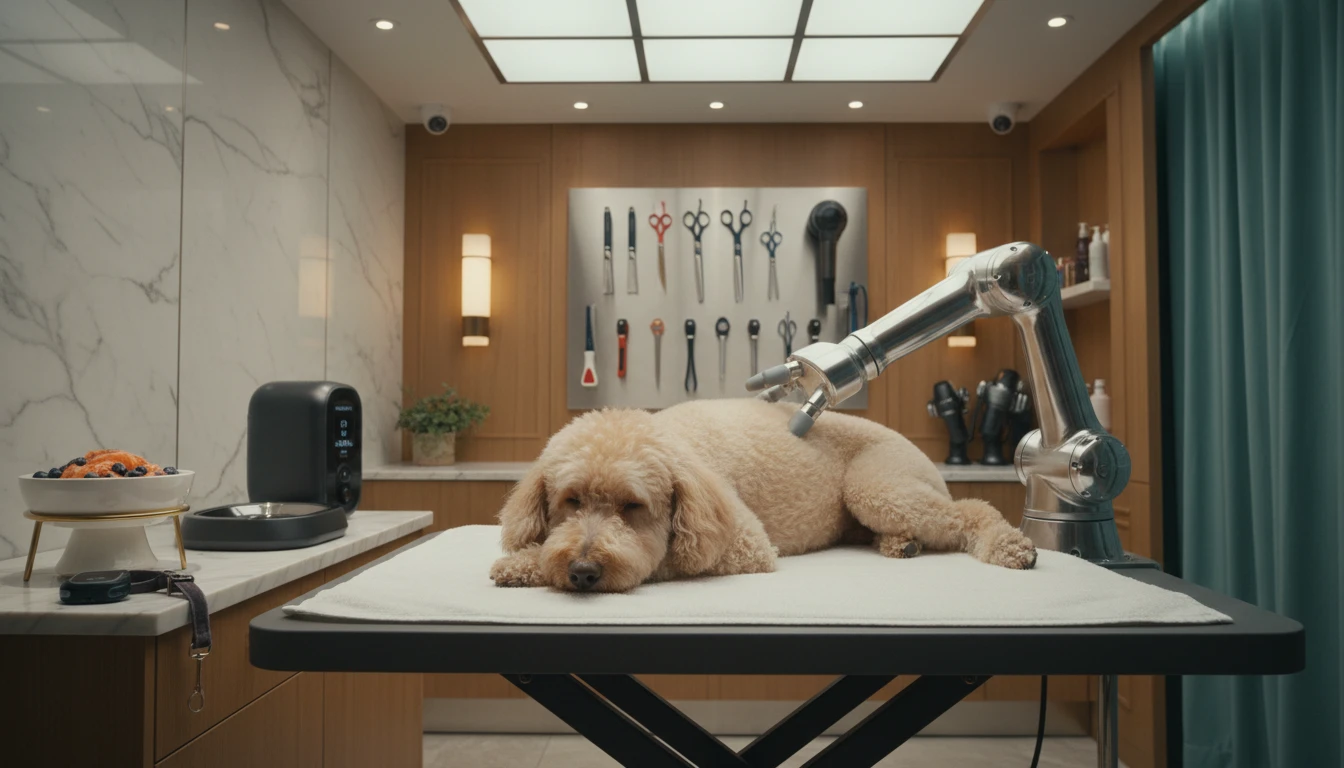
India's pet care industry, valued at around $3.6 billion in 2024, is projected to grow nearly sevenfold by 2032. This explosive growth is most visible in the array of premium services now available. Cities like Bengaluru, Delhi, and Mumbai are witnessing a boom in pet daycares, luxury boarding facilities, and professional training institutes. Mobile grooming vans bring salon-quality services like breed-specific haircuts and spa treatments directly to homes, with sessions costing between ₹1,500 and ₹2,000. The market for premium food has also surged, with grain-free meals, freeze-dried treats, and fresh-cooked diets becoming popular choices over conventional kibble. This is complemented by a growing wellness segment, with sales of pet supplements and health products rising 42% year-over-year.
The Rising Cost of Responsible Care
While the new services offer unprecedented levels of care, they also redefine what it means to be a “responsible” owner, creating financial pressure. A routine veterinary visit can average around ₹1,200, before diagnostics or medicines. Monthly costs for a dog can range from a budget of ₹3,000 to a premium lifestyle of over ₹15,000, with food being the biggest expense. For those opting for pedigree breeds, the initial purchase price can be anywhere from ₹5,000 to over ₹1,50,000. These rising expenses can be a significant strain, especially for middle-class households, and the high cost of care is often a hidden struggle for many owners. The lack of widespread, comprehensive pet insurance options in India further exacerbates the financial risk of unexpected medical emergencies.
A Tale of Two Pet Economies
The boom in premium services highlights a growing divide. On one side are the affluent urbanites driving demand for high-end products; one Delhi consumer reportedly spent over ₹60,000 on pet care in a single year. Bengaluru has emerged as India's pet-pampering capital, where nearly two-thirds of pet spending is on treats, toys, and premium goods. On the other side, many owners grapple with basic challenges like a lack of pet-friendly infrastructure and limited access to affordable, quality veterinary care, especially outside major metros. This bifurcation risks creating a two-tiered system of animal welfare, where the new, higher standard of “responsible care” is financially out of reach for many, potentially increasing feelings of guilt and even contributing to pet abandonment when costs become unmanageable.