






Assess the Destination, Not Just the Drizzle
A forecast for rain means different things depending on your destination. While a downpour in a city might mean spending more time in cafes and museums, the same weather in a hilly or coastal region can pose serious safety threats. The first step is to
look beyond the simple rain icon on your weather app and consider the specific terrain and infrastructure of your chosen escape. The danger is rarely the rain itself, but what it does to the environment around you—triggering landslides, causing floods, and washing out roads. Before making a call, ask yourself: is my destination prone to specific weather-related hazards?
Hill Stations: The Landslide and Blockade Threat
India's beautiful hill stations are a favourite for weekend trips, but they are also the most vulnerable to heavy monsoon rains. Regions in the Himalayas and the Western Ghats are particularly susceptible to landslides, flash floods, and road blockages during intense rainfall. Even a few hours of a cloudburst can wash away roads, leaving tourists stranded for days. Areas like Manali, Shimla, Mussoorie, Darjeeling, and parts of the Western Ghats around Munnar and Wayanad have a documented history of monsoon-related disruptions. If your trip involves travel along steep, single-lifeline highways to these destinations, and an orange or red alert has been issued, it is wise to seriously consider postponing. The risk isn't just about a ruined holiday; it's about being cut off from essential services.
Coastal Retreats: Flooding and Dangerous Waters
A beach holiday during a heavy downpour is not just inconvenient; it can be dangerous. Heavy rains, often combined with high tides and storm surges, can lead to coastal flooding, inundating low-lying areas where hotels and shacks are often located. Swimming in the sea becomes extremely hazardous due to strong currents. Many beach shacks and resorts in places like Goa close down during the peak monsoon for this very reason. Furthermore, cities on the coast, such as Mumbai and Chennai, are known for severe waterlogging that can bring all transport to a halt. If you're heading to the coast, monitor flood warnings and be aware that your beach access may be limited or unsafe.
The Journey Itself: Don't Underestimate Travel Risks
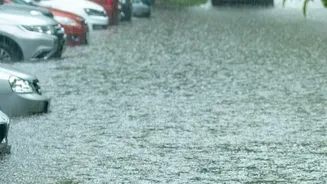
Sometimes the destination might be relatively safe, but the journey to get there is the biggest hazard. Heavy rain dramatically reduces visibility and makes roads slippery, increasing the risk of accidents. It's crucial to check the condition of the highways along your route. Are they prone to waterlogging or landslides? Train services and flights can also face significant delays or cancellations due to extreme weather. While airlines are generally required to offer refunds or alternative flights for weather-related cancellations, the disruption can still derail your entire trip. Before you set off, slow down, use low-beam headlights, and never attempt to drive through flooded roads.
A Checklist for Making the Final Call
Still unsure? Run through this final checklist. First, check for official weather warnings from the India Meteorological Department (IMD) for your specific destination and route. Second, research if the area is a known landslide or flood-prone zone. Third, contact your hotel or host to ask about the local conditions on the ground. They will have the most current information. Fourth, consider your mode of transport—are there reports of significant delays or cancellations? Finally, evaluate your own risk tolerance. If the thought of being stuck or having to navigate dangerous conditions causes you stress, postponing is a valid choice. A holiday is meant to be relaxing, and peace of mind is priceless.