





The Rise of the 'Skillcation'
Forget just seeing the sights; young Indians want to do the sights. This has given rise to the 'skillcation'—a holiday planned around acquiring a new skill or deepening a hobby. It’s a significant shift from passive relaxation to active self-investment.
Instead of just a tan, travellers are returning with tangible abilities, whether it's a scuba diving certification from the Andamans, a pottery course in a Himachali village, or knowing how to cook authentic Rajasthani cuisine. Recent travel reports show that for Gen Z in particular, travel is driven by the experiences a destination offers, such as cultural immersion and outdoor activities, rather than just its name recognition. This trend is growing steadily, with some tour operators expecting the segment to grow by 15-20% annually.
From Pottery to Professional Development
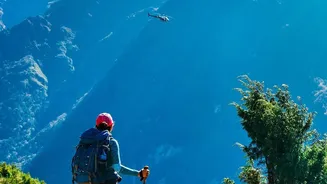
The range of skills being pursued is vast and varied. On the creative side, there are workshops for traditional arts like Madhubani painting in Bihar, weaving in Rajasthan, and photography in Ladakh. For the adventurous, there are surfing lessons along the Udupi coast, paragliding in Bir Billing, and yoga teacher training in Rishikesh. Even professional skills are on the agenda, with some choosing to attend writing retreats in Kerala or joining bootcamps for skills like digital marketing. The goal isn't necessarily to become an expert overnight, but to engage with a place on a deeper level and bring home more than just souvenirs.
Why Is This Happening Now?
Several factors are fuelling this trend. For many young professionals, skill-based travel is an antidote to burnout. It offers a way to recharge that feels more productive and fulfilling than simply lounging on a beach. In a world of curated digital identities, acquiring a unique skill provides compelling new stories and content to share. There is also a growing desire for authenticity and a deeper connection with local culture, which these immersive experiences provide. Furthermore, the rise of remote and hybrid work models has blurred the lines between work, life, and learning. This newfound flexibility allows people to take longer, more deliberate trips where they can settle into a place and learn something new without completely disconnecting from their responsibilities.
The Travel Industry Responds
The travel industry has been quick to adapt to this new demand. Tour operators and hospitality brands are moving beyond standard packages to offer curated experiences. Hotels now feature cooking masterclasses with their chefs, while boutique travel companies design entire itineraries around specific crafts like textile-making or perfumery. Specialized platforms connect travellers with local artisans and mentors, making it easier than ever to find a learning opportunity that matches your interests. This 'experiential tourism' is becoming a significant market, with reports suggesting it could be worth billions of dollars in India in the coming years, driven largely by this younger, experience-hungry demographic.