




Delhi's Air Quality Dips
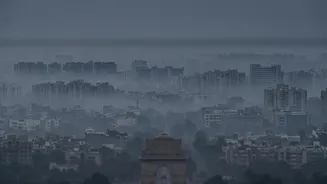
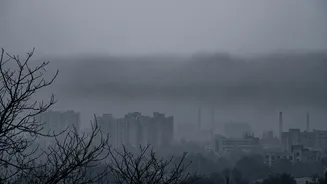
This week, Delhi recorded its first 'poor' air quality day of the season, with the Air Quality Index (AQI) climbing over 240 in several areas. This sharp decline prompted authorities to implement Stage I of the Graded Response Action Plan (GRAP). For
residents, this isn't just a number on a chart; it's the start of a period where the air itself feels harsh and poses direct health risks, not just to our lungs but also to our eyes, which are constantly exposed to the environment.
How Pollution Harms Your Eyes
The human eye is a sensitive organ, and its moist surface easily absorbs the pollutants floating in the air. The main culprits are microscopic airborne particles known as PM2.5, which are fine enough to lodge themselves on the eye's surface, the conjunctiva, causing direct irritation and inflammation. These particles, along with harmful gases like nitrogen dioxide and sulphur dioxide, disrupt the natural tear film that protects your eyes. This disruption can cause tears to evaporate too quickly, leading to a condition known as dry eye syndrome, which is exacerbated by pollution.
Warning Signs You Shouldn't Ignore
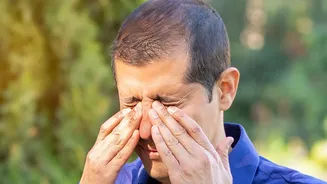
Your eyes often give the first warning signs of high pollution. Common symptoms include redness, persistent itching, and a stinging or burning sensation. You might also experience excessive watering as your eyes try to flush out the irritants, or conversely, a gritty, sandy feeling that indicates dryness. Some people report blurry vision, eye fatigue, and increased sensitivity to light. It's crucial not to dismiss these signals as minor annoyances, as they are your body's response to environmental stress.
Your First Line of Defence: Prevention
While you can't control the air outside, you can take simple steps to minimise exposure. Whenever you step out, wear protective wraparound sunglasses to create a physical barrier against pollutants. Try to limit outdoor activities during early morning and late evening hours, when pollution levels are often at their peak. At home, using an air purifier with a HEPA filter can significantly reduce indoor particulate matter, creating a cleaner-air zone for you to breathe and rest. Staying well-hydrated by drinking plenty of water also helps your body, including your eyes, function better.
Soothing Irritated Eyes Safely
If your eyes are already feeling the strain, the most important rule is to avoid rubbing them. Rubbing can transfer more irritants from your hands and may even cause microscopic scratches on your cornea. Instead, gently wash your face and eyelids after coming in from outside to remove any settled particles. For immediate relief from dryness and irritation, use preservative-free lubricating eye drops, also known as artificial tears. These can help flush out contaminants and restore moisture. A cold compress can also help soothe burning and reduce redness.
When to Consult an Eye Specialist
Most mild irritation improves once you are in a cleaner environment. However, if your symptoms persist for more than a few days despite taking precautions, it's wise to see a doctor. You should seek immediate medical attention if you experience severe or continuous eye pain, a thick or coloured discharge, significant swelling, or any sudden changes in your vision. These could be signs of a more serious infection or allergic reaction that requires professional diagnosis and treatment.