







Go Beyond the Number
The SPF number on the bottle only tells part of the story. It primarily measures protection against UVB rays, the kind that cause sunburn. But what about UVA rays? These are present all day, year-round, can penetrate clouds and glass, and are responsible
for premature aging and DNA damage. This is why choosing a “broad-spectrum” sunscreen is non-negotiable. This label ensures you’re getting protection from both UVA and UVB rays, which is crucial for preventing everything from wrinkles to skin cancer. Dermatologists recommend an SPF of 30 or higher for daily use, which blocks about 97% of UVB rays.
The Right Amount Really Matters
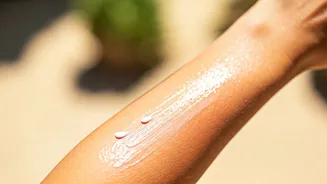
One of the most common mistakes is not using nearly enough sunscreen. To get the protection promised on the label, you need to apply a surprisingly generous amount. For your entire body, the recommendation is about one ounce, or enough to fill a shot glass. For just your face and neck, a helpful guide is the “two-finger rule”: squeeze a line of lotion along the length of your index and middle fingers. Applying too little can drastically reduce the effective SPF, leaving you with a false sense of security and much less protection than you think.
Timing and Reapplication Are Key
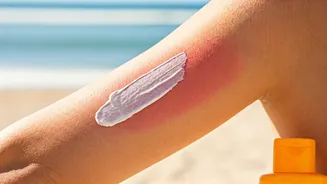
Sunscreen isn't a one-and-done deal. To be effective, chemical sunscreens need time to absorb into the skin, so you should apply it about 15 to 30 minutes before you head outside. More importantly, you must reapply. Sunscreen breaks down with sun exposure and wears off. The universal rule is to reapply every two hours when outdoors. This rule applies regardless of the SPF number; a high SPF does not mean it lasts longer. If you’re swimming or sweating heavily, you need to reapply even more frequently—often every 40 to 80 minutes, depending on your product's water resistance, and always after toweling off.
Cover All Your Bases, Literally
It’s easy to cover the main areas like your arms and nose, but certain spots are frequently missed and highly susceptible to sun damage. Dermatologists consistently see sun damage on the tops of the ears, the back of the neck, the scalp (especially along a hair part), the tops of feet, and hands. These areas need just as much attention as your face. Make it a conscious part of your routine to cover these vulnerable spots. For lips, use a balm with SPF 15 or higher. For your scalp, a spray or powder sunscreen can be a game-changer.
Make It a Year-Round Habit
A surprising number of people believe sunscreen is only for sunny beach days. However, up to 80% of the sun’s UV rays can penetrate through clouds. UVA rays, the ones responsible for aging, are consistently present during all daylight hours, throughout the year. They can even pass through window glass, meaning you get sun exposure while driving or sitting near a window at home or work. Making sunscreen application a daily habit, like brushing your teeth, is the single best thing you can do for long-term skin health and to prevent cumulative sun damage.