



Setting the Stage
To understand the miracle of Morocco in 2022, you must first understand the expectations—or lack thereof. The Atlas Lions arrived in Qatar ranked 22nd in the world, with a new coach, Walid Regragui, appointed just three months before the tournament began.
Their group was a minefield, featuring 2018 finalists Croatia and the star-studded, second-ranked team in the world, Belgium. Survival, let alone advancement, seemed like a monumental task. The common consensus was that Morocco would be a competitive but ultimately peripheral character in a drama dominated by European and South American giants. Yet, Regragui, a coach affectionately nicknamed ‘avocado head’, had instilled a powerful belief system built on tactical discipline and familial bonds. He famously told his players, “If you don't give 100%, you're out.” This wasn’t just a team; it was a mission.
Forging an Iron Wall
Morocco’s strategy was deceptively simple: be impossible to score against. In the group stage, they executed this plan to perfection. They began with a gritty 0-0 draw against Croatia, a result that raised eyebrows but was seen as a defensive success. Then came the shock. They outplayed and beat Belgium 2-0, a tactical masterclass that exposed the vulnerabilities of an aging 'golden generation'. They sealed their top spot in the group by defeating Canada 2-1. By the end of the group stage, the only goal they had conceded was an own goal. Their defensive organisation was breathtaking. Led by the relentless energy of midfielder Sofyan Amrabat, the marauding runs of Achraf Hakimi, and the calm authority of goalkeeper Yassine Bounou, Morocco had become a fortress on legs. They didn’t just defend; they suffocated opponents with intelligent pressing and unbreakable spirit.
Slaying the Iberian Giants
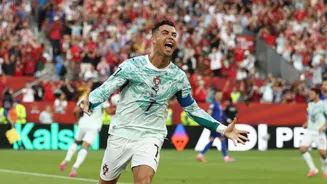
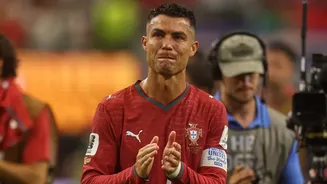
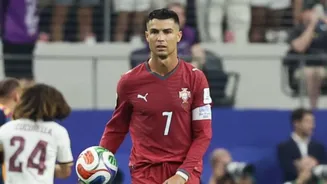
The knockout stages are where legends are made, and Morocco’s legend was forged against its Iberian neighbours. First up was Spain in the Round of 16. For 120 minutes, Spain passed the ball over a thousand times, probing for an opening that never came. Morocco’s defensive block held firm, forcing a penalty shootout. This was Bounou’s moment. The goalkeeper, a picture of calm, saved two penalties while another hit the post. When Hakimi stepped up for the final penalty, he sealed the historic win with an audacious Panenka chip—a moment of supreme confidence that encapsulated the team’s fearlessness. Next came Portugal, and Cristiano Ronaldo. Again, Morocco absorbed pressure and struck decisively. Youssef En-Nesyri’s towering header just before half-time was enough. They held on, becoming the first African and first Arab nation ever to reach a World Cup semi-final. The scenes of jubilation were not confined to Rabat and Casablanca; they echoed from Doha to Dubai, Paris to Brussels.
A Continent’s Roar
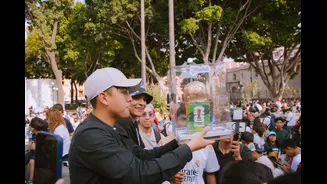
What elevated Morocco's run from a great sports story to a global cultural event was what it represented. The Atlas Lions became the team of a continent and a diaspora. They were Africa’s team. They were the Arab world’s team. Their victories were celebrated as a triumph over a historically dominant Eurocentric footballing order. The images of players celebrating with their mothers on the pitch went viral, a heartfelt display of family and faith that resonated deeply across cultures. Coach Regragui spoke powerfully about shifting mentalities, stating, “We are not here just to participate. We are here to compete.” This wasn't just about football; it was about representation, pride, and proving that the old hierarchies could be toppled.