




Understanding the Gut-Brain Axis
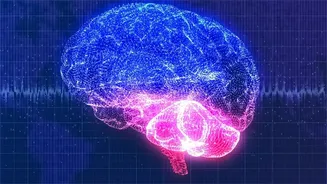
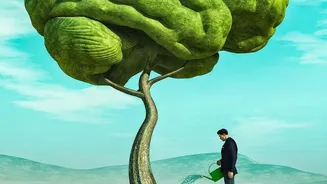
The gut-brain axis is a two-way communication highway connecting your central nervous system (your brain and spinal cord) to your enteric nervous system (the 'second brain' in your gut). This constant dialogue happens through nerves, hormones, and your immune
system, influencing everything from digestion to your emotional state. When your gut is happy, it sends positive signals to the brain. But when there's an imbalance, known as dysbiosis, it can contribute to feelings of anxiety, low mood, and brain fog. This intricate network helps explain why stress can lead to an upset stomach, and conversely, why an unhealthy gut can affect your mental well-being.
Fermentable Fiber: Fuel for Your Friends
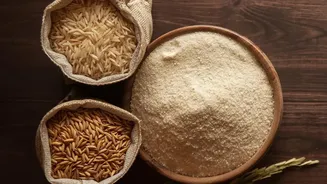
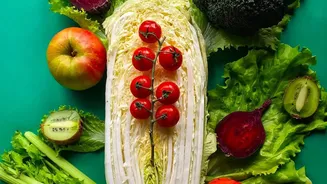
Your gut is home to trillions of microorganisms, collectively known as your gut microbiome. The key to a healthy microbiome is feeding the beneficial bacteria, and their favorite food is fermentable fiber. Unlike other foods, your body can't digest this type of fiber. Instead, it travels to your colon where your gut bacteria ferment it, producing beneficial compounds called short-chain fatty acids (SCFAs). These SCFAs help reduce inflammation, strengthen the gut lining, and send signals to the brain that can help regulate mood. Research suggests a diet rich in fiber is associated with a lower risk of depressive symptoms. To increase your intake, focus on foods like oats, barley, apples, beans (like moong and chana), lentils, onions, and garlic.
Probiotics: The Reinforcement Crew
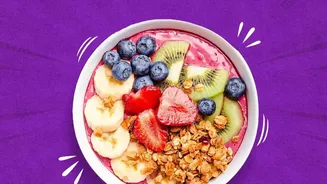
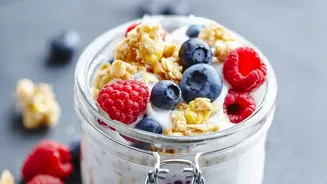
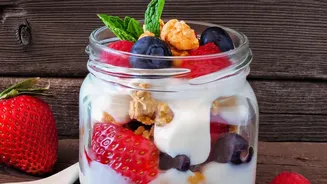
Probiotics are the good, live bacteria themselves. Consuming them helps reinforce the population of beneficial microbes in your gut, supporting a healthy balance. This is especially important as an imbalanced gut has been linked to increased inflammation, which can negatively affect mental health. Certain probiotics, sometimes called 'psychobiotics', have shown promise in producing neurotransmitters like serotonin and dopamine right in the gut. In fact, about 90% of your body's serotonin, the 'feel-good' chemical, is produced in your digestive tract. Including probiotic-rich foods in your diet is a great way to support this process. In India, this is easier than you think. Dahi (curd), lassi, and buttermilk are excellent sources. Fermented foods like idli and dosa batter (before cooking), and traditional pickles (achar made without oil and soured in brine) also contribute to gut health.
Putting It All Together for Better Focus
So, how does eating dahi and dal improve your focus? It's all about synergy. The fermentable fibers, which are prebiotics, act as the food for the probiotics. By eating a combination of both, you create an environment where your good gut bacteria can thrive. A thriving gut microbiome communicates effectively with the brain via the vagus nerve, helping to reduce stress signals and fight brain fog. Studies have shown that probiotic supplementation may help improve cognitive function, mental flexibility, and focus, particularly in older adults. When your gut isn't inflamed and your neurotransmitter production is supported, your brain is better equipped to handle cognitive tasks, helping you feel sharper and more focused throughout the day.