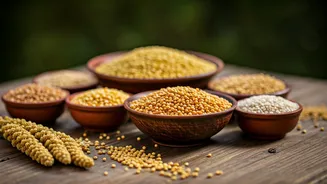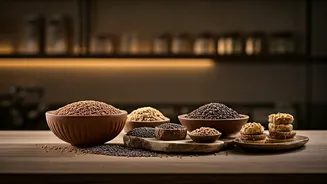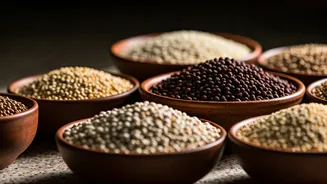



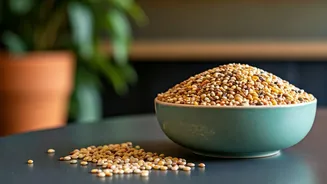


A Return to Ancient Wisdom
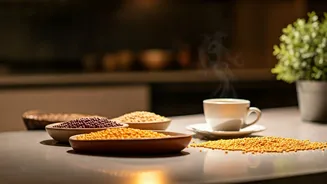
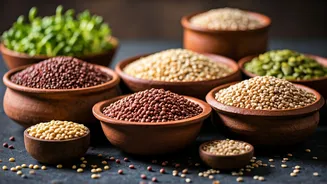
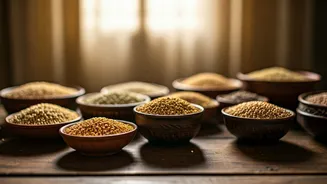
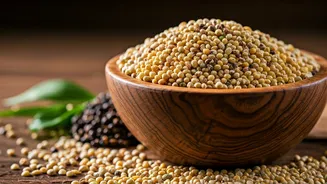
For centuries, millets like jowar, bajra, and ragi were cornerstones of the Indian diet. They were not considered special health foods but were simply what people ate, grown locally and suited to the climate. However, with the Green Revolution's focus
on high-yield wheat and rice, these hardy grains were gradually pushed aside, becoming a nostalgic memory for many. Now, the tide is turning. A combination of government initiatives, including the UN-backed International Year of Millets in 2023, and a renewed cultural appreciation for traditional foods has put millets back in the spotlight. This revival is more than a trend; it's a conscious shift towards reconnecting with India's rich culinary heritage.
The Powerful Health Benefits
A primary driver of the millet comeback is a growing focus on health and wellness. Millets are a nutritional powerhouse, naturally gluten-free, and packed with protein, dietary fibre, and essential minerals like iron, calcium, and magnesium. Their low glycemic index makes them particularly beneficial for managing blood sugar levels, an important factor given the rise of lifestyle diseases like diabetes. Studies have shown that regular millet consumption can help in reducing BMI, lowering cholesterol, and improving gut health due to their high fibre content, which acts as a prebiotic. For those seeking lighter, cleaner grains, millets offer a nutrient-dense alternative to more processed carbohydrates.
Beyond Roti and Porridge
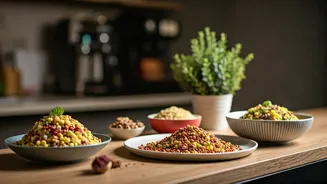
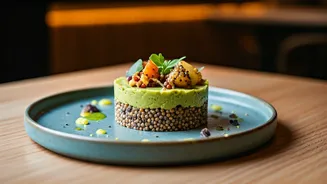
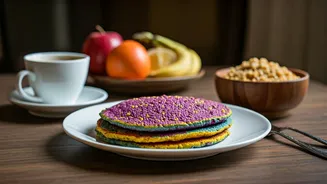
One of the biggest factors turning millet consumption into an everyday habit is their incredible versatility. Modern kitchens are moving far beyond just traditional bajra roti or ragi porridge. Home cooks are discovering that millets can be seamlessly integrated into daily meals. Foxtail millet can replace rice in dishes like pulao, lemon rice, and khichdi. Millet flour is being used to create everything from crispy dosas and fluffy idlis to pancakes and even cookies. Ready-to-cook mixes and millet-based snacks are also making it easier for busy families to incorporate these grains. This adaptability is key to their growing acceptance, proving they can be both healthy and convenient.
Good for You, Good for the Planet
The appeal of millets extends beyond personal health to environmental sustainability. These grains are known as climate-smart crops for a reason. They are incredibly resilient, capable of growing in arid regions and poor soil with minimal agricultural inputs. Crucially, many millet varieties require significantly less water than rice and wheat, a vital attribute in a water-stressed world. By choosing to cook with millets, consumers are not only making a healthy choice for themselves but are also supporting sustainable agricultural practices and promoting biodiversity. This dual benefit resonates strongly with an increasing number of environmentally conscious individuals and families.
Making the Switch Easy
Adopting millets doesn't require a complete overhaul of your eating habits. The easiest way to start is by making simple swaps. Try replacing one-third of your regular rice with a cooked millet like foxtail or little millet. You can also substitute a portion of wheat flour with ragi or jowar flour when making rotis or parathas. Start with one or two millet-based meals a week, like a millet upma for breakfast or a millet khichdi for dinner. As you get accustomed to the nutty flavours and different textures, you can explore more recipes. With their growing availability online and in local stores, it has never been easier to join the movement and make these ancient grains a modern habit.