





Identifying the Balcony Menace
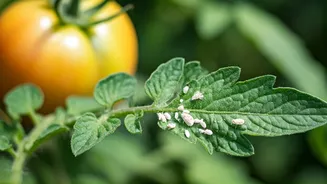
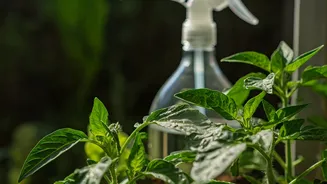
If you brush against your tomato plant and a small, white cloud of gnat-sized insects lifts off, you have whiteflies. [10] These pests, which are related to aphids, gather on the undersides of leaves. [10] They use their piercing mouthparts to suck the sap
directly from the plant’s vascular system. [10] This feeding drains the plant of energy, leading to yellowing, curling, and withered leaves. [1, 9] A large infestation can seriously injure or even lead to plant death. [9] But the damage doesn't stop there. As they feed, whiteflies excrete a sticky substance called honeydew, which coats the leaves and can lead to the growth of a black, sooty mold. [10] This mold blocks sunlight, hindering photosynthesis and further weakening your plant. [10] Some whitefly species can also transmit devastating viruses, like the Tomato Yellow Leaf Curl Virus, which can cause stunted growth and prevent fruit from ripening properly. [1, 10, 14]
Neem Oil: The Organic Guardian
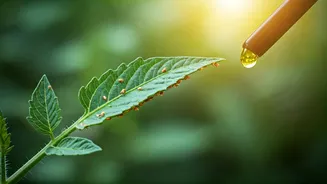
Neem oil is a natural, vegetable-based oil pressed from the fruits and seeds of the neem tree (Azadirachta indica), which is native to the Indian subcontinent. [8, 22] It has been used for centuries in traditional medicine and organic gardening. Its power lies in its active compounds, most notably azadirachtin. [21] This compound is not a blunt-force killer like many chemical pesticides. Instead, it works in more subtle ways: it acts as a repellent, an antifeedant (discouraging pests from eating), and a growth regulator that disrupts the life cycle of insects, preventing them from maturing and reproducing. [3, 17] When used correctly, neem oil is effective against pests like whiteflies but is generally safe for beneficial insects like bees and ladybugs, which don't feed on the plant's leaves. [3, 22] It is biodegradable and a go-to choice for those wanting to avoid synthetic chemicals on their edible plants. [12]
How to Mix Your Neem Oil Spray
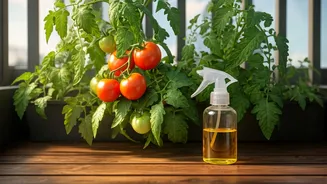
Creating your own neem oil spray is simple and ensures you have a fresh, effective solution. Oil and water don't mix, so you will need a mild liquid soap to act as an emulsifier. [7] For a standard solution, follow this recipe: In a one-litre spray bottle, combine one litre of warm water with 1-2 ml (about 1/3 teaspoon) of mild liquid soap, like castile soap. [7] Shake it well to dissolve the soap. Then, add 5 ml (one teaspoon) of 100% pure, cold-pressed neem oil. [7] It's crucial to use cold-pressed oil, as heat destroys the active azadirachtin compound. [7] Shake the bottle vigorously again to ensure the oil is thoroughly mixed with the soapy water. [4] It's important to use the mixture within eight hours, as the neem oil begins to break down and lose its effectiveness once diluted in water. [2] Always make a fresh batch for each application. [2]
Correct Application Technique
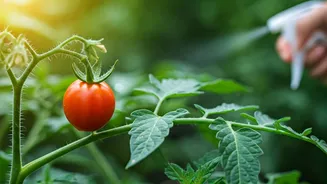
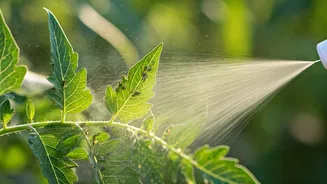
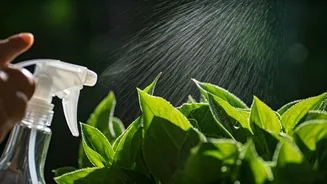
The best time to spray your tomato plants is during the early morning or late evening. [6] Applying neem oil in direct, hot sun can cause the leaves to burn. [20] Before you spray the entire plant, it's wise to test the solution on a single leaf and wait 24 hours to ensure there's no adverse reaction. [5, 17] When you're ready to spray, shake the bottle often to keep the mixture emulsified. [5] The key to controlling whiteflies is thorough coverage. These pests hide on the undersides of leaves, so be sure to spray there diligently, as well as the tops of the leaves and the stems. [4, 17] The goal is to make contact with the pests and coat the surfaces where they feed and lay eggs. [18] If it rains after you've sprayed, you will need to reapply the solution. [18]
Frequency and Long-Term Strategy
Controlling whiteflies is a process, not a one-time event. For an existing infestation, you may need to spray your tomato plants every 3-4 days to disrupt the entire life cycle, from egg to adult. [2] For preventative care, a weekly or bi-weekly application during the growing season is often sufficient. [2, 16] Another effective method is a soil drench. You can pour 2-3 cups of the diluted neem oil mixture around the base of each plant. [21] The plant absorbs the neem systemically, which deters pests that try to feed on it. This can be done every 2-3 weeks. [21] For a truly integrated approach, consider adding yellow sticky traps to your balcony garden. [15] Whiteflies are attracted to the colour yellow, and these traps can help monitor and reduce the adult population. [15, 23]