
The Foundation: Khoya and Mawa
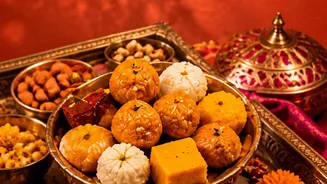
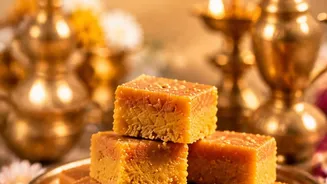
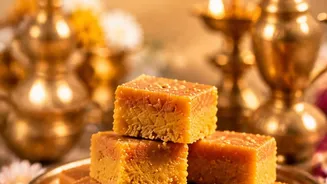
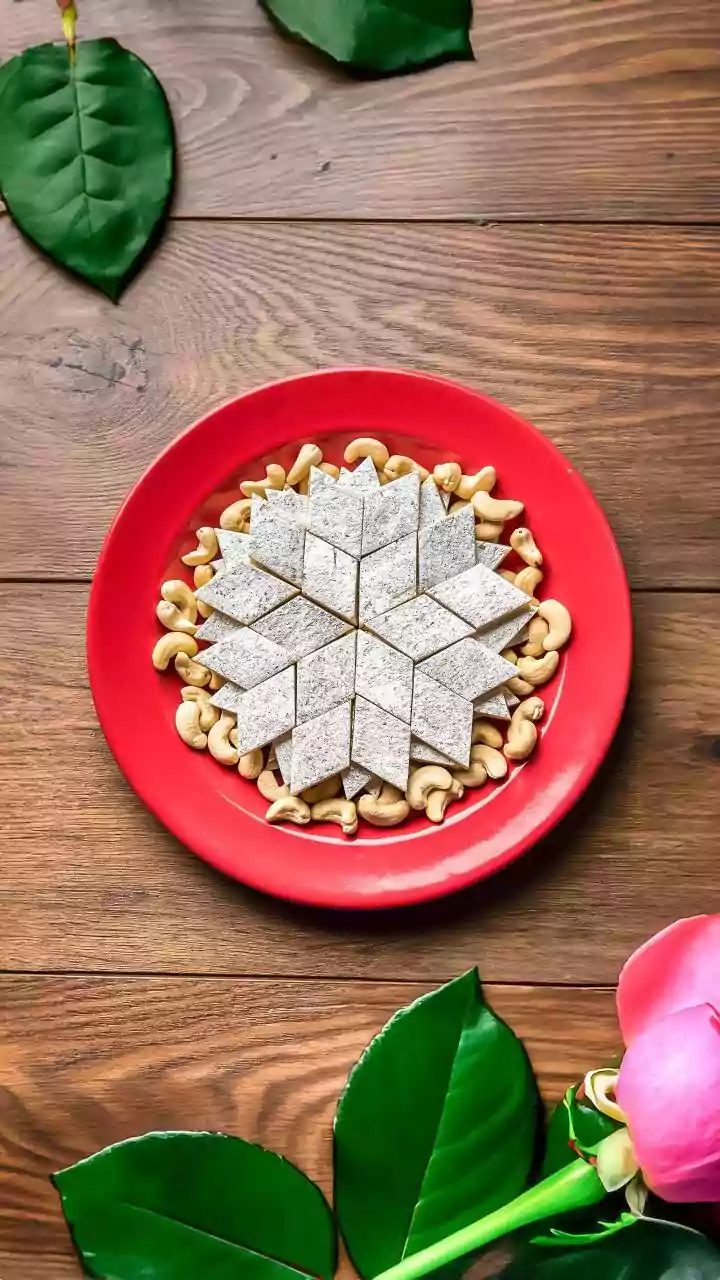
Khoya, or mawa, is the base for many traditional sweets like barfi and peda. Its quality is paramount. Pure, fresh khoya has a slightly grainy texture and a mild, milky, and slightly sweet taste. When you rub a small amount on your palm, it should feel
a bit oily and leave a greasy residue. Adulterated khoya, on the other hand, can have a powdery or sticky texture. A common adulterant is starch, which is used to add bulk. The Food Safety and Standards Authority of India (FSSAI) recommends a simple test: dissolve a small amount of khoya in hot water and add a few drops of iodine. If the solution turns blue, it confirms the presence of starch. An unnaturally white or chalky appearance can also be a red flag.
Liquid Gold: Ghee and Oils
The rich flavour of many Indian sweets comes from pure ghee. Unfortunately, it is often adulterated with cheaper vegetable fats like vanaspati or even animal fats. One way to check is to look at the texture and smell. Fresh sweets made with pure ghee will have a pleasant, rich aroma. If a sweet smells of stale or rancid oil, it's a clear sign of poor quality. A simple test for vanaspati involves taking a sample of the sweet, adding a little sugar and hydrochloric acid, and mixing it. If the mixture turns red, it indicates the presence of vanaspati. When buying, remember that pure ghee melts completely at body temperature, whereas hydrogenated fats do not.
A Rainbow of Caution: Artificial Colours
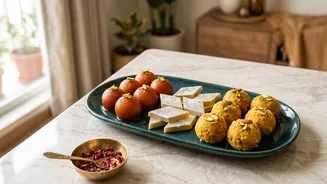
Brightly coloured sweets might look appealing, but they often contain non-permitted or industrial dyes that can be harmful. Synthetic dyes like Metanil Yellow are sometimes used to give sweets a vibrant yellow or orange hue, but these can be toxic. Food safety authorities worldwide regulate the use of food colourings, but during the festive rush, these rules can be bent. Opt for sweets with natural, muted colours. For instance, a besan laddoo made with good quality gram flour will have a natural, earthy yellow colour, not a bright, synthetic one. If a sweet leaves a strong colour on your fingers or tongue, it's a sign that excessive or low-quality dyes have been used.
The Shine: Checking Silver Leaf (Vark)
The delicate silver foil, or vark, that adorns many sweets is a mark of luxury. However, real silver is often replaced with cheaper and toxic aluminium foil. Genuine silver vark is incredibly thin, adheres closely to the sweet, and should disintegrate into fine particles when you gently rub it. Fake aluminium foil, by contrast, is often thicker, looks overly shiny, and will roll into a small ball or flake when rubbed instead of disappearing. Consuming aluminium can be harmful, so it's always better to be cautious. If the vark looks too bright or too thick, it is best to avoid it.
General Freshness and Texture
Beyond specific ingredients, the overall freshness of a sweet is a crucial quality indicator. Fresh mithai should be soft and moist. If a milk-based sweet like kalakand feels hard, dry at the edges, or unnaturally chewy, it is likely stale. A sour or off smell is another clear warning sign, especially for milk-based products, indicating spoilage. Also, be wary of shops where sweets are left exposed, attracting flies or dust. Good hygiene is as important as good ingredients. Finally, if the flavour is dominated by a heavy dose of artificial essence, it might be an attempt to cover up the taste of stale ingredients.
Trust Your Vendor
One of the most reliable ways to ensure quality is to buy from a reputable and trusted sweet shop. Established vendors are more likely to prioritize hygiene and use high-quality ingredients to protect their reputation. Be cautious of unusually low prices or temporary stalls that pop up just for the festival, as they may be more likely to cut corners. Since 2020, FSSAI has mandated that sweet shops display the 'Best Before' date for non-packaged sweets, so always look for this information. A transparent vendor who is confident about their products is always a better choice.