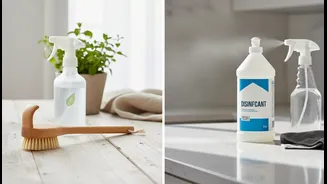








The Appeal of Everyday Gentle Cleaning
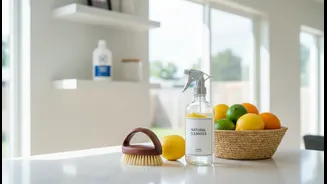
There's a good reason why so many households are embracing cleaning solutions made from ingredients like vinegar, baking soda, and citrus extracts. These methods are affordable, better for indoor air quality, and reduce exposure to harsh synthetic chemicals
that can cause skin and respiratory irritation. For daily tasks like wiping down counters, dusting furniture, and light floor cleaning, these low-chemical options are often perfectly adequate. They work by helping to physically remove dirt and some germs, keeping your home looking and feeling fresh without the toxic load. This approach is especially beneficial for general upkeep and in homes with children, pets, or individuals sensitive to strong chemicals.
Why the Monsoon Is a Game-Changer for Health
The monsoon season dramatically changes the environment inside our homes. The sharp increase in humidity creates the perfect breeding ground for mould, mildew, bacteria, and fungi. Dampness can seep into walls, wooden furniture, and fabrics, leading to musty odours and the proliferation of mould spores, which can trigger allergies and worsen respiratory conditions like asthma. The risk of water-borne and food-borne illnesses such as diarrhoea, typhoid, and hepatitis A also rises as contamination becomes more common. Mosquito-borne diseases like dengue and malaria also see a spike during this time, making overall home hygiene a critical line of defence. These heightened health risks mean that simply wiping surfaces is no longer enough.
Cleaner vs. Disinfectant: Knowing the Critical Difference
It's essential to understand that cleaning and disinfecting are not the same thing. Cleaning, which is what products like soap and vinegar do, is the process of physically removing dirt, debris, and some germs from a surface. Disinfecting, on the other hand, involves using chemical agents to kill a high percentage of germs and pathogens. During most of the year, regular cleaning is sufficient for many areas. However, during the high-risk monsoon season, disinfecting becomes necessary to actively kill the bacteria and viruses that thrive in the damp conditions. The US Environmental Protection Agency (EPA) notes that for a disinfectant to work properly, the surface must often be cleaned first to remove any visible dirt.
High-Risk Zones That Demand Disinfection
Not every surface needs to be disinfected every day. Focus your efforts on high-touch and high-risk areas where germs are most likely to spread. During the monsoon, pay special attention to: Kitchen: Countertops (especially after contact with raw meat), sinks, and chopping boards. Bathroom: Toilets, faucets, shower areas, and any spots with visible mould or mildew are hotspots for germs. High-Touch Surfaces: Doorknobs, light switches, remote controls, and cabinet handles should be wiped with a disinfectant regularly. Floors: Mopping with a disinfectant floor cleaner at least twice a week is advisable, especially at entrances where mud and dirty water are tracked in. * Waste Bins: Both kitchen and bathroom bins should be cleaned and disinfected weekly to prevent pests and bacterial growth.
How to Disinfect Safely and Effectively
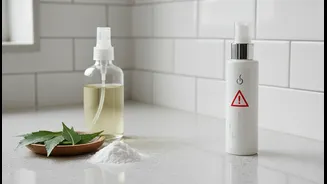
Using powerful disinfectants requires care, especially for renters and those who employ home cleaning help. To ensure safety and effectiveness, always follow the instructions on the product label. Proper ventilation is key; open windows and doors to allow fresh air to circulate and disperse fumes. Always wear gloves to protect your skin from harsh chemicals. Crucially, pay attention to the recommended 'contact time'—the amount of time the disinfectant must remain wet on a surface to kill the germs, which can be several minutes. Never mix different cleaning chemicals, especially bleach and ammonia-based products, as this can create toxic gas.