






A series of high-profile technology failures, including a global Microsoft outage and widespread banking disruptions, has drawn an official response from Washington, turning a spotlight on the unseen digital systems that power American life.
A Week of Widespread Disruptions
In mid-November,
millions of Americans were impacted by a wave of seemingly unrelated technology outages. A nearly 24-hour disruption hit Microsoft 365 services beginning November 12, affecting access to Outlook email and Teams for businesses and governments globally. Microsoft attributed the problem to a technical issue with a network gateway, not a cyberattack. Just days later, on November 16, customers of major US banks including JPMorgan Chase, Bank of America, and Wells Fargo reported problems accessing accounts and services. Chase clarified that its issues stemmed from a software bug in its own hardware systems, which had a knock-on effect on transactions involving other banks, and was not the result of a cyberattack. These incidents followed a nationwide FAA ground stop that had also caused massive travel disruption.
The Official Response from Washington
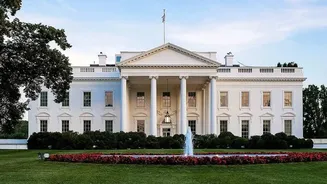
The cluster of failures prompted a response from the nation's top cybersecurity agency. Nick Andersen, the acting director of the Cybersecurity and Infrastructure Security Agency (CISA), acknowledged that it had been 'a highly disruptive last couple of days'. While officials stated there was no evidence linking the events to a coordinated malicious attack, the incidents served as a real-world stress test of the country's digital resilience. Andersen framed the outages as a clear illustration of why systems need to be built to withstand all kinds of disruptions, not just cyberattacks. The focus, he argued, should be on resilience to ensure that essential services continue to function, regardless of whether the cause is a bad software patch, a technical glitch, or a malicious actor.
Our Interconnected, Fragile Foundation
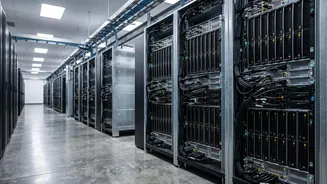
These events highlight the growing dependency on a handful of technology providers for essential services. Much of the modern economy, from banking and payroll to logistics and communication, runs on cloud infrastructure provided by a few giants like Microsoft, Amazon, and Google. While this consolidation creates efficiency, it also introduces systemic risk. A single failure at a major cloud provider can create a domino effect, simultaneously impacting thousands of businesses that rely on its services. Experts note that while each recent outage had its own specific cause, they share a common theme: the inherent complexity and fragility of the interconnected systems underpinning daily life. The banking outage, for example, demonstrated how a problem at one institution could quickly affect others through shared payment networks.
Building a More Resilient Future
The conversation among officials is now shifting from investigating individual outages to architecting a more durable digital future. CISA's stated goal is to engineer resilience into systems from the start, so they can anticipate and overcome impacts. For the financial sector, this means a greater focus on multi-cloud strategies to avoid over-reliance on a single vendor and rigorous testing of disaster recovery plans. Director of National Intelligence Jay Clayton also warned that Americans should be prepared for more 'bumps in the road' as companies and government agencies undertake massive, necessary investments to upgrade their systems and bolster cybersecurity. The key takeaway from the recent disruptions is that operational resilience—the ability to keep critical services running during a crisis—is no longer just an IT issue, but a matter of economic stability and national security.