

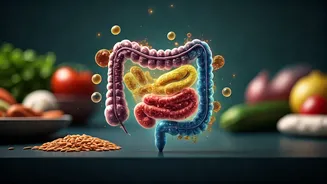



The Rise of the Gut Microbiome
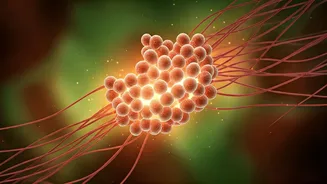
The secret to fibre's newfound fame lies in the gut microbiome—the trillions of bacteria and other microbes living in your intestines. [11] We've begun to understand that this internal ecosystem is incredibly important for our overall well-being. A healthy
gut microbiome doesn't just help with digestion; it also supports your immune system, can influence your mood, and may reduce the risk of several chronic diseases. [11, 20, 22] Think of it as a bustling city inside you. For that city to thrive, you need to feed its residents well, and that’s where fibre comes in.
Fibre as Fuel: The Power of Prebiotics
Fibre is essentially a prebiotic. [5, 21] Unlike other foods, our bodies can't digest fibre on their own. [15] Instead, it travels down to the large intestine, where it becomes the perfect food for our beneficial gut bacteria. [7, 18] As these good microbes feast on fibre, they produce beneficial compounds like short-chain fatty acids, which help keep the gut lining healthy, reduce inflammation, and provide numerous other health benefits. [20, 24] Probiotics, the live beneficial bacteria found in foods like yogurt, are the 'good guys,' while prebiotics (fibre) are the food that helps them flourish. [6]
Not All Fibre Is Created Equal
There are two main types of fibre, and both are important. Soluble fibre dissolves in water to form a gel-like substance. [16] It helps slow digestion, which can prevent blood sugar spikes and lower cholesterol. [3, 17] Great sources include oats, beans, apples, carrots, and citrus fruits. [16] Insoluble fibre does not dissolve in water. It adds bulk to stool, helping food move through your digestive system and preventing constipation. [4, 18] You can find it in whole wheat products, brown rice, nuts, and vegetables like cauliflower and green beans. [3, 16] Most plant-based foods contain a mix of both. [9]
Bringing Fibre Back to Your Thali
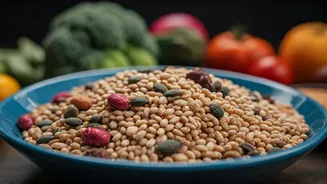
The good news is that traditional Indian diets are naturally rich in fibre. The key is to embrace whole foods over refined ones. Simple swaps can make a huge difference. Opt for whole wheat rotis and brown rice instead of their white counterparts. [12] Make millets like jowar, bajra, and ragi a regular part of your meals; they are gluten-free powerhouses of insoluble fibre. [14] Lentils and legumes, the heart of Indian cooking, are packed with both protein and fibre. A bowl of dal, rajma, or chana provides a substantial dose. [10, 13] Don't forget vegetables like okra (bhindi), spinach (palak), and carrots, which are excellent sources. [8, 12]
Easy Ways to Boost Your Daily Intake
Increasing your fibre intake doesn't have to be complicated. Start your day with a bowl of oats or a millet-based porridge. Snack on fruits like guava (one of the highest-fibre fruits), apples (with the skin on), and bananas. [10, 14] A handful of almonds or walnuts is another great high-fibre snack. [8] Add flax seeds or chia seeds to your yogurt, smoothies, or salads for an effortless boost. When making classic dishes like upma or khichdi, load them up with extra vegetables. [10] Even simple choices, like having a side of cucumber and carrot salad with your meals, contribute to your daily goal.