


The Monsoon's Fury
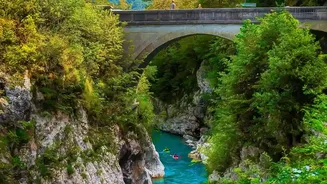
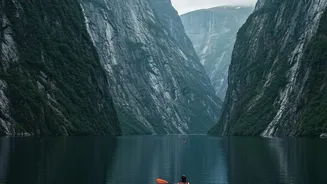
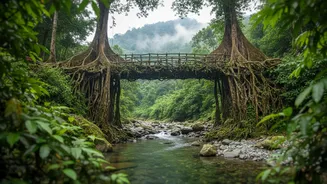
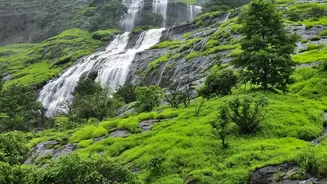
Meghalaya, the “abode of clouds,” receives some of the highest rainfall on Earth. This immense deluge transforms serene winter streams into raging, silt-laden torrents. Rivers like the Umngot, Kynshi, and Umtrew, which are popular paddling destinations,
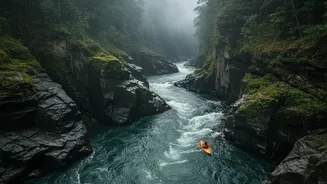
swell dramatically. The region's unique topography of steep hills and deep gorges funnels this massive volume of water into narrow canyons, creating extreme, high-stakes conditions with Class IV and V rapids that attract expert paddlers from around the globe.
The Physics of Fast Water
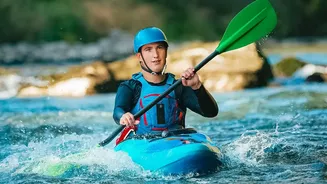
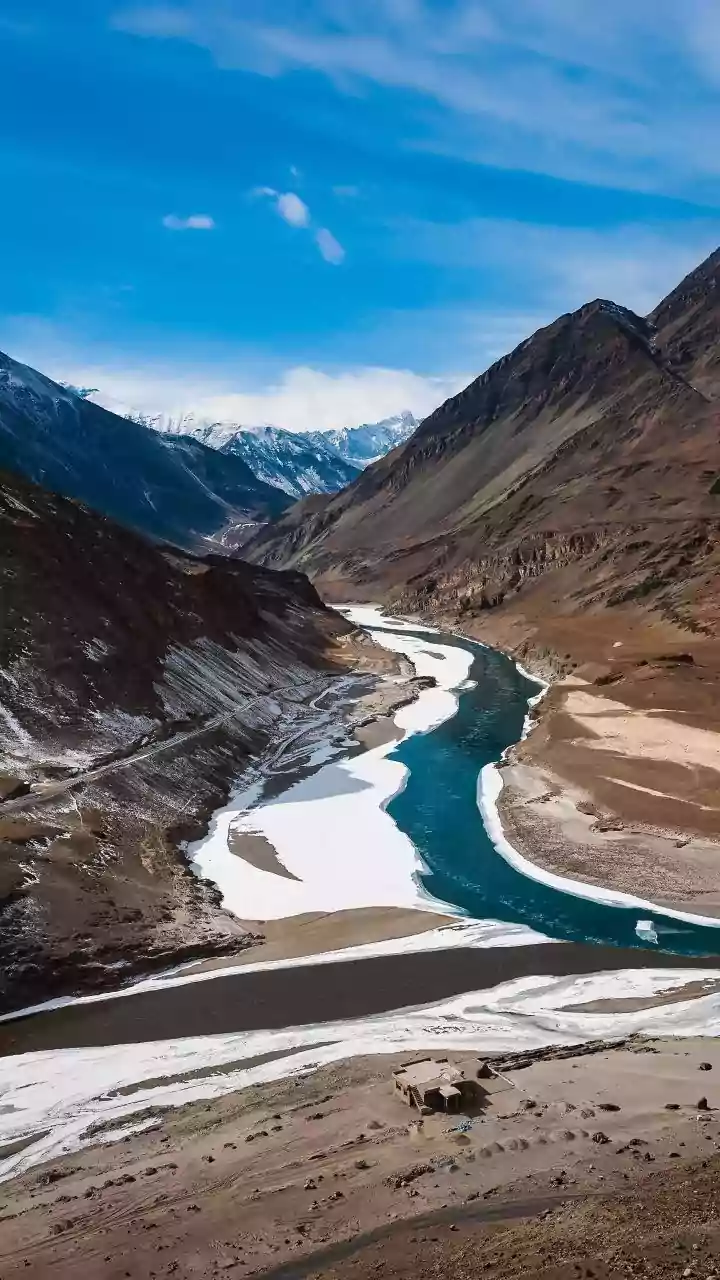
When a river is forced into a narrow channel, the water must speed up—a principle known as the Venturi effect. This dramatic increase in velocity is the core challenge. The flow of water can be described as either laminar (smooth and parallel) or turbulent (chaotic and unpredictable). In Meghalaya’s constricted monsoon canyons, the flow is intensely turbulent. The high speed reduces a kayaker’s reaction time significantly. At such velocities, water behaves differently; it becomes incredibly powerful, and even small mistakes in judgement have major consequences.
How Velocity Hijacks Control
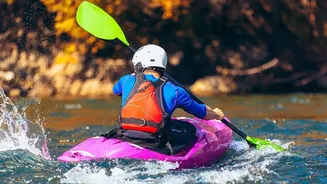
As water speed increases, a kayak becomes harder to steer. The immense force of the current can overwhelm the paddler's ability to turn or move laterally. This is because the kayak is subject to powerful hydrodynamic forces that push it downstream relentlessly. Key features magnified by high velocity include powerful eddy lines—the turbulent boundary between downstream and upstream currents—which can easily flip an unprepared kayaker. Boils, where water surges up from the riverbed, create unstable pockets that disrupt balance, while powerful whirlpools and recirculating hydraulics (holes) can trap a boat and paddler with immense force.
The Art of Regaining Command
Expert kayakers don't fight the river's power; they harness it. Control in high-velocity water is about anticipation and using the water's energy. A critical skill is 'edging,' or tilting the kayak. By edging into a turn or when crossing a current (ferrying), a paddler uses the hull to carve through the water, maintaining control. Paddle strokes become less about propulsion and more about direction and stability. Short, powerful strokes are used to make quick adjustments, and a strong 'boof stroke' is essential for launching the boat's nose over features like ledges and holes to avoid getting stuck.
Reading the River's Story
Ultimately, control in fast-moving water is a mental game. It relies on the ability to 'read the river'—to interpret surface features and predict what the water is doing underneath. A V-shaped wave pointing downstream indicates a clear channel, while a line of still water might signal a hazardous underwater rock. Eddies, though turbulent at their edges, offer crucial spots to rest, regroup, and plan the next move. Experienced local paddlers in Meghalaya possess deep knowledge of these patterns, understanding that the river's behaviour can change in an instant due to sudden downpours. Respecting this local knowledge is as vital as mastering any physical technique.