




A Taste of India Gets a European Address
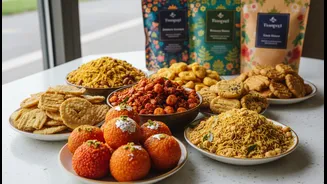
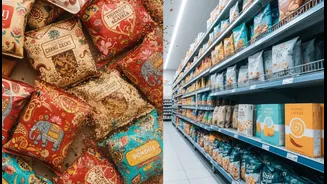
For decades, brands like Haldiram's and Bikanervala have been synonymous with the packets of bhujia, mithai boxes, and quick-service counters that offer a reliable taste of home. Their products are staples in Indian pantries and on supermarket shelves
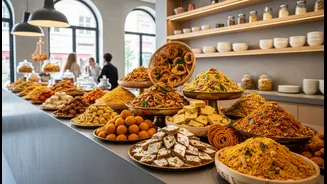
globally. Now, these giants are making a significant strategic shift: opening full-service, casual dining restaurants in prime European locations. Haldiram's, for instance, recently launched a 120-seat restaurant in London's bustling Leicester Square in June 2026. This isn't just a larger version of their quick-service outlets; it’s a premium, sit-down experience designed to attract both the Indian diaspora and a wider international audience. Similarly, Bikanervala has opened outlets in the UK, including in Hounslow and Southall, offering dine-in services beyond their traditional sweet and snack counters. This trend signifies a new level of confidence, moving from selling packaged goods to curating a complete dining experience.
What 'Full-Service' Actually Means
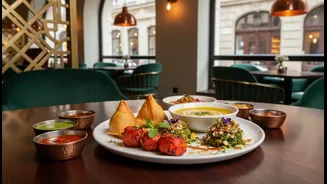
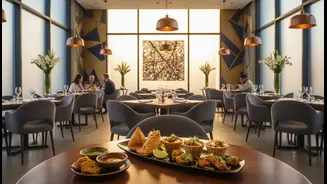
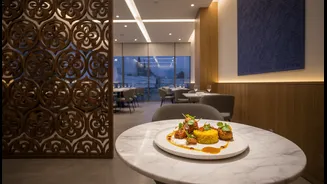
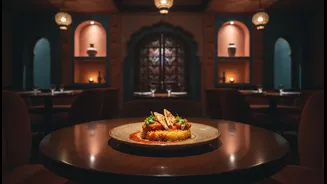
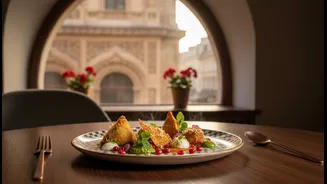
Before you book a table, it’s important to understand what these brands mean by “full-service.” Unlike the bustling, self-service formats common in India, these European outposts are adopting a more formal, casual dining model. This includes table service, a more elaborate ambiance, and a thoughtfully structured menu. The Haldiram's in London, for example, is a 3,000-square-foot venue with heated outdoor seating, designed for a leisurely meal rather than a quick bite. This shift means moving away from the fast-food feel and towards creating a destination restaurant. The interiors often blend Indian heritage motifs with contemporary design, aiming for an atmosphere of quiet luxury. They are also integrating their retail business, with many locations featuring dedicated counters for sweets and packaged snacks, creating a hybrid dining and shopping experience.
The Menu: Authenticity vs. Local Adaptation
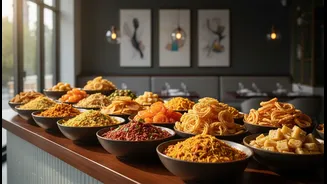
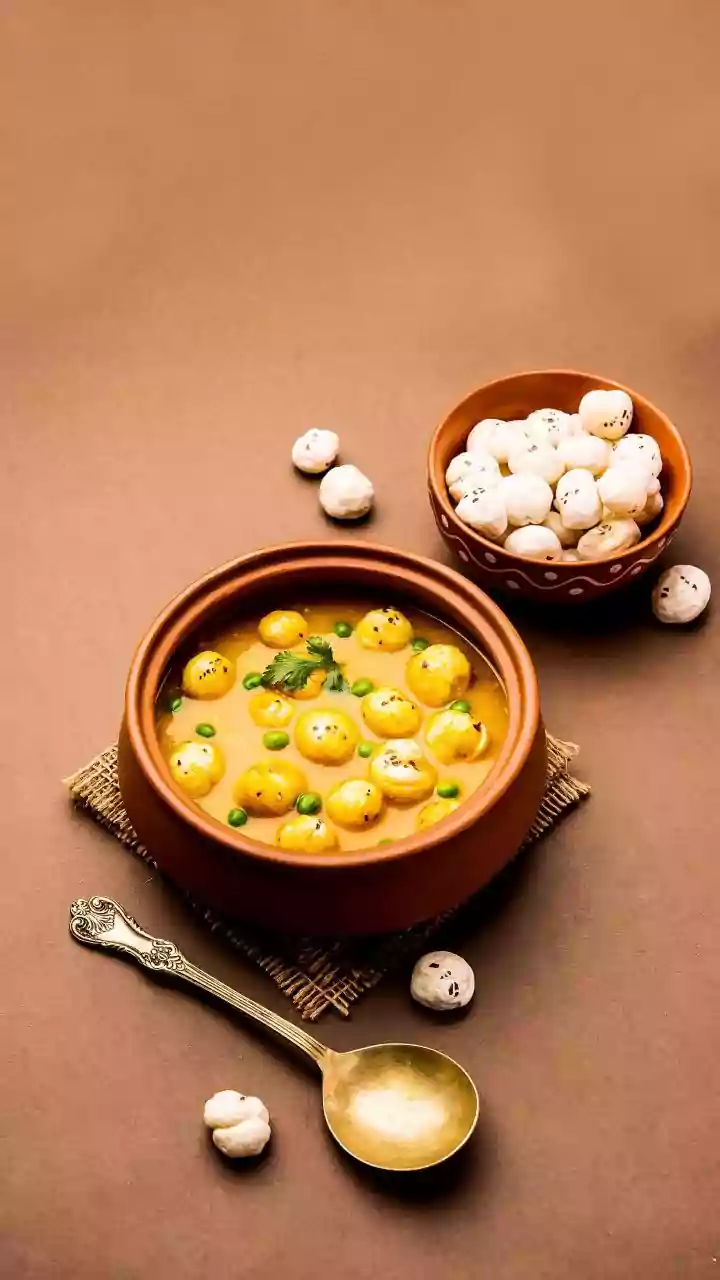
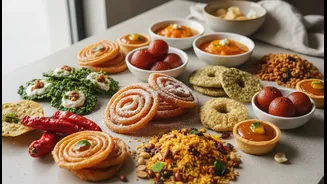
The core of the menu at these new restaurants remains deeply rooted in nostalgia, celebrating beloved dishes. You can expect to find classics like Chole Bhature, Pao Bhaji, and an extensive selection of chaat, such as Raj Kachori. However, brands are also wisely adapting to their new environment. To cater to a broader audience, many are introducing fusion desserts created exclusively for the European market. Furthermore, there is a clear acknowledgment of modern dietary preferences, with many outlets offering dedicated vegan options alongside their traditional vegetarian fare. While the goal is to serve authentic flavours, there might be subtle adjustments in spice levels or ingredients to appeal to local palates. It is a delicate balance between staying true to their roots and being accessible to newcomers.
The Price Point: Beyond a Snack Budget
One of the most significant differences diners will notice is the price. A meal at a full-service restaurant in central London or another major European city will naturally cost more than a similar order at a quick-service outlet in India. The costs associated with prime real estate, higher wages, and imported ingredients contribute to a premium price point. This is no longer just a budget-friendly snack; it’s a mid-range dining experience. Think of it as comparable to other popular casual dining chains in Europe, like Dishoom, which has been cited as an inspiration for its successful model. While you are paying for the quality and ambiance, it's wise to check the menu online beforehand to manage expectations and avoid surprises.
What to Check Before You Go
To make the most of your visit, a little planning goes a long way. First, check for reservation policies. Given the novelty and prime locations, these restaurants can get very busy, and booking ahead is often recommended. Second, confirm the exact location and hours, as some brands may have multiple types of outlets (e.g., a full restaurant versus a smaller takeaway spot). Third, browse the menu online, especially if you have specific dietary needs or are dining with people unfamiliar with Indian cuisine. This helps ensure there is something for everyone. Finally, embrace the experience for what it is: a new evolution of a beloved brand. It offers a chance to enjoy familiar flavours in a completely new context, representing a proud moment for Indian culinary heritage on the global stage.