




The Post-Monsoon Driving Dream
From September through March, the Western Ghats transform into a driver's paradise. The torrential rains subside, leaving behind a rejuvenated landscape bursting with life. The air is cool and crisp, the skies are generally clear, and the climate is perfect
for rolling down the windows to smell the wet earth. This season offers a perfect balance: the drama of the monsoon's handiwork—vibrant greenery and full-throated waterfalls—without the peak-season risks of landslides and road closures. It’s a time when you can explore viewpoints without being drenched and enjoy impromptu stops to soak in the ethereal atmosphere.
Mahabaleshwar’s Dramatic Ghats
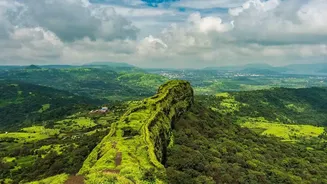
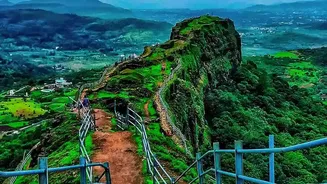
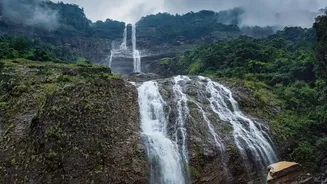
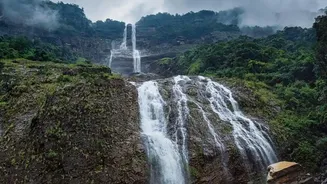
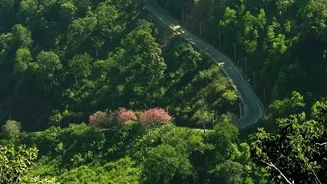
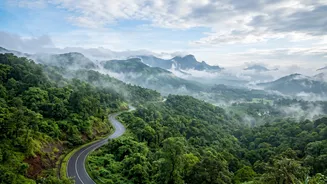
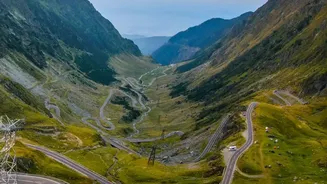
The Sahyadri ranges around Mahabaleshwar offer some of Maharashtra's most cinematic drives post-monsoon. The Ambenali Ghat, which connects Mahabaleshwar to Poladpur, is a highlight. This long, winding road features numerous hairpin bends and offers panoramic views of the Konkan valley. After the rains, it is fringed with countless temporary waterfalls and shrouded in dramatic fog, making it an exhilarating drive for confident motorists. Another stunning option is the Varandha Ghat, connecting Bhor to Mahad. While its surface can be rough, its raw beauty is unmatched, with cliff-hugging roads offering 270-degree views of the mountain range and the backwaters of the Neera Deoghar dam. The drive is a visual feast of green hills, misty valleys, and ever-changing cloudscapes.
Sights Along the Sahyadris
A drive through Mahabaleshwar's ghats is as much about the journey as the destination. Along the Ambenali Ghat route, a detour to the historic Pratapgad Fort is a must, offering a glimpse into Maratha history and commanding views of the region. The area is also home to some of Maharashtra's most famous waterfalls. Lingmala Waterfall, just outside Mahabaleshwar, is particularly impressive after the rains, cascading in multiple tiers. For a different kind of vista, Kate's Point and Elephant's Head Point provide iconic views of the surrounding valleys and the Krishna River, which are especially clear and beautiful in the post-monsoon air.
Journey South to Coorg's Coffee Country
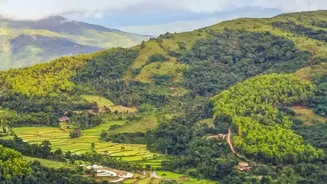
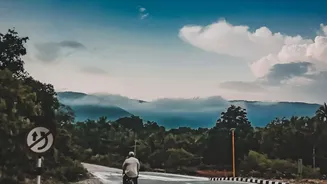
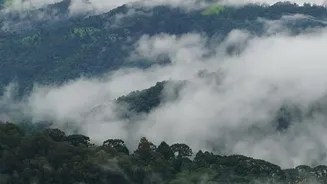
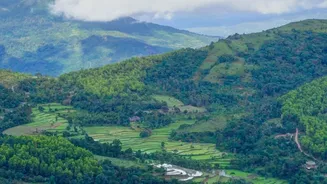
Further south in Karnataka, the landscape shifts to the rolling hills and aromatic plantations of Coorg (Kodagu). The post-monsoon season here is equally magical, with misty mornings giving way to bright, sunny days perfect for exploring. The entire region, famous for its coffee cultivation, is a tapestry of deep greens, from dense forests to manicured estates. Driving through Coorg means navigating winding roads that cut through this lush scenery, offering new picturesque surprises at every turn. Unlike the more rugged escarpments of Maharashtra, Coorg's beauty lies in its gentle slopes, serene atmosphere, and the ever-present fragrance of coffee and spice.
Navigating the Routes of Kodagu
Coorg is best explored through its network of scenic local roads. The drive from Madikeri to Sampaje is often lauded as one of the most beautiful in the district, with dense forest cover and curving roads. Another favorite is the route between Suntikoppa and Madapur, which passes through meadows and coffee estates often kissed by a gentle drizzle. For a truly breathtaking panorama, the drive to Bisle Ghat Viewpoint is essential. From this single point on the border of Hassan and Kodagu districts, you can see a sweeping vista of multiple mountain ranges, including the Pushpagiri and Kumara Parvatha peaks, all blanketed in untouched forest. The viewpoint is celebrated for its raw, uncommercialized beauty and the profound sense of tranquility it offers.
Essential Post-Monsoon Driving Tips
While the post-monsoon season is generally safe for travel, a few precautions are wise. Ensure your vehicle's tyres have good tread depth, and that brakes and wipers are in excellent condition, as roads can still be damp and slippery. In ghat sections, especially steep ones like Ambenali, avoid driving after dark due to poor visibility and sharp curves. Be mindful that while major landslides are less frequent than in peak monsoon, smaller rockfalls can still occur, so remain alert. It's also a good idea to start your drives early in the day to make the most of the daylight and avoid the fog that often rolls in during the late afternoon.