




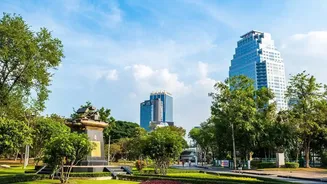

The 'Garden City' Under Siege
For decades, Bengaluru has been synonymous with lush greenery, pleasant weather, and sprawling parks that served as the city's lungs. This idyllic image, however, is rapidly fading. The city's transformation into India's premier technology hub has triggered
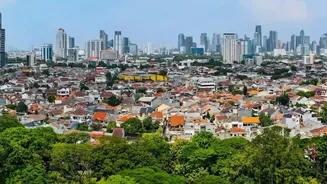
an unprecedented surge in population and infrastructure demands. While economic growth is essential, it has come at a steep environmental cost, with green cover reportedly shrinking to a mere 2-3%. This puts immense pressure on existing parks, which are increasingly seen not as essential ecological assets, but as vacant land available for development. The core of the conflict lies here: can Bengaluru accommodate its future without sacrificing the very green spaces that have long defined its character and quality of life?
A Controversial Green Light for Concrete
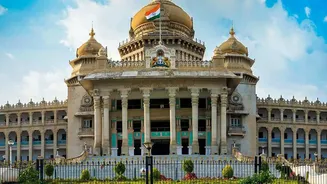
The tension between growth and green space was recently thrown into sharp relief by a controversial amendment to the Karnataka Government Parks (Preservation) Act of 1975. In August 2026, the state legislature passed a bill allowing up to 5% of the land in government parks to be 'alienated'—sold, leased, or otherwise transferred—for public infrastructure projects. While the government maintains this is a necessary provision for critical works like road widening, the move was met with fierce opposition. Citizen groups, environmentalists, and urban planners immediately mobilised, staging protests at iconic locations like Lalbagh Botanical Garden. Critics argue that the amendment fundamentally undermines the original purpose of the Act, which was to preserve parks, not carve them up. They fear it sets a dangerous precedent that could threaten Bengaluru's most beloved green spaces, including Lalbagh and Cubbon Park.
More Than Just Pretty Scenery
The fight to save Bengaluru's parks is about more than just aesthetics. These green areas are critical infrastructure in their own right. Research shows they play a vital role in combating the urban heat island effect; one study found that parks in the city were, on average, 2.2°C cooler than their concrete-heavy surroundings. In a city grappling with rising temperatures and unpredictable weather, parks act as natural air conditioners, absorb rainwater to prevent flooding, and serve as crucial biodiversity hotspots. Beyond their environmental benefits, they are invaluable social spaces that foster community, recreation, and mental well-being. Urban experts warn that losing these natural buffers will not only degrade the environment but also diminish the overall quality of life, forcing residents to seek out commercial alternatives for open space.
Citizens on the Frontline
In the face of legislative changes and development pressure, Bengaluru's citizens have become the staunchest defenders of their parks. A coalition of over 200 resident groups and environmental organisations has been actively campaigning against the park land amendment, demanding its withdrawal. Their demands are clear: require transparent public consultation before any park land is considered for a project and mandate that all alternative options be exhausted first. Protesters have formed human chains and submitted letters to the Chief Minister, arguing that urban development should not dismantle the city's ecological foundations. This activism highlights a growing public consensus that green spaces are not a luxury but a necessity, and that the city's residents must have a say in their future.
Searching for a Sustainable Path Forward
The challenge for Bengaluru is not to halt growth, but to manage it intelligently. Experts and activists propose a shift in perspective: instead of treating parks as obstacles to development, they should be formally recognised as essential public infrastructure within urban planning frameworks. This means integrating green spaces into the city's design, not sacrificing them for it. Suggestions include exploring alternatives to projects that encroach on parks, such as the controversial tunnel road proposed to run through a portion of Lalbagh. A more holistic approach to urban planning, which might include developing satellite towns to ease the pressure on Bengaluru, is also being discussed. The city stands at a crossroads, and the choices it makes today regarding its parks will determine whether it remains a liveable, vibrant metropolis or becomes another cautionary tale of growth at any cost.