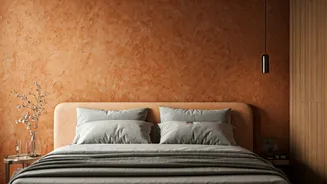



The Allure of Earthy Walls
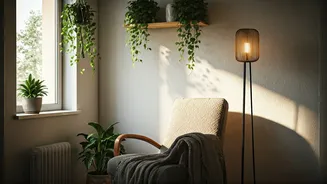
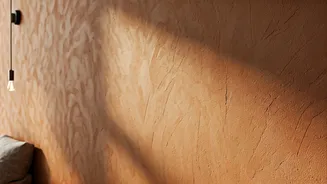
The trend towards earthy, textured walls is about more than just aesthetics; it's about feeling. Inspired by Mediterranean villas and desert homes, finishes like limewash, clay, and plaster connect us to natural materials. This style, often part of 'biophilic
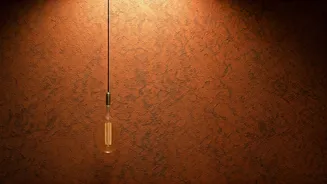
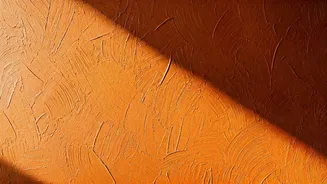
design,' aims to bring the outdoors in, creating a calming, grounded environment. These finishes absorb and reflect light in a soft, diffused way, making a room feel both brighter and cosier. The subtle imperfections and variations in texture add a layer of depth and sophistication that a flat coat of paint simply cannot replicate, turning a boring wall into a stunning focal point.
The Renter’s Pre-Project Checklist
Before you pick up a brush or trowel, a little due diligence is essential to ensure a smooth, damage-free project. First, read your rental agreement carefully. Look for any clauses about painting or altering wall surfaces. When in doubt, it's always best to have a conversation with your landlord. Second, always perform a patch test. Apply your chosen finish to a small, inconspicuous area—perhaps behind a large piece of furniture or in a closet—and let it dry completely. For removable options like peel-and-stick wallpaper, test its ability to come off cleanly without pulling paint or damaging the drywall. This small step can save you from major headaches down the line.
Method 1: The Limewash-Effect Paint
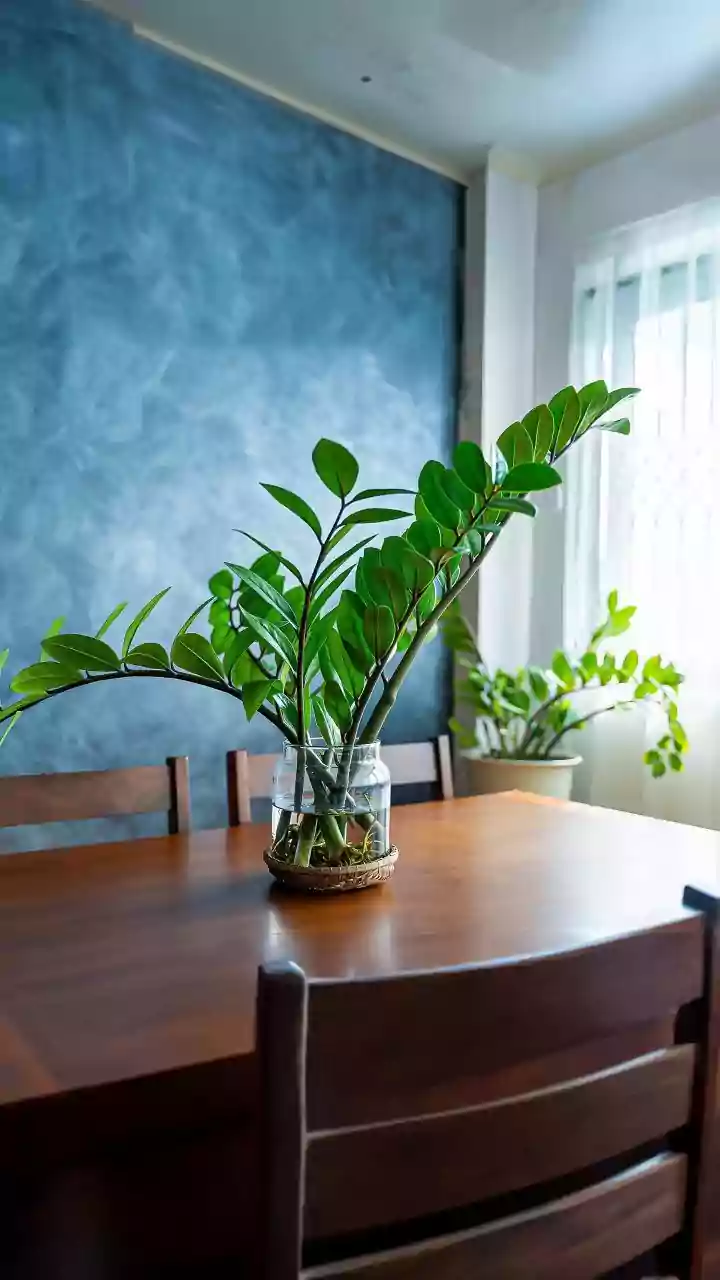
For an authentic, chalky, and slightly varied texture, limewash is a fantastic option. Traditionally a mix of crushed limestone and water, modern limewash-style paints are much more user-friendly and widely available. The magic is in the application. Instead of a standard roller, use a large block brush. Apply the paint in sweeping, crisscross 'X' motions, overlapping your strokes. This technique creates the signature cloudy, multi-tonal effect. Because it's a thin, breathable paint, it often doesn’t require a heavy primer and can typically be painted over with a standard emulsion paint when it's time to move out, making it one of the most popular choices for renters seeking an organic look.
Method 2: The Faux Plaster Technique
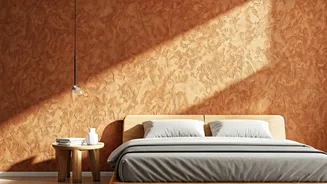
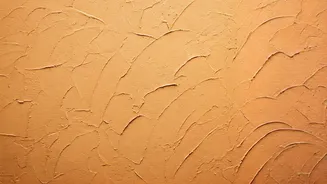
If you're feeling a bit more adventurous, you can create a beautiful faux plaster or Roman clay effect with common hardware store materials. The key is to mix pre-mixed joint compound (used for filling drywall seams) with standard latex paint. A good ratio to start with is about three parts paint to one part joint compound, mixed until you have a thick, pancake-batter consistency. Using a putty knife or a small trowel, apply the mixture to the wall in thin, arcing, or sweeping motions. Don't aim for perfect coverage; the slight gaps and ridges are what create the texture. The thinner the layer, the easier it will be to sand down and paint over later.
Method 3: The 'Instant' Peel-and-Stick Solution
For those who want the most impact with the least commitment, high-quality, removable wallpaper is the ultimate answer. This is the truest way to get an 'instant' transformation. Modern peel-and-stick wallpapers come in an incredible array of designs that convincingly mimic the look of plaster, concrete, and textured clay. They offer the visual depth of a textured finish without any of the mess or drying time. Application is straightforward: just clean the wall, measure your panel, peel off the backing, and smooth it onto the surface. Best of all, when your lease is up, it can be peeled off without leaving residue or damaging the paint underneath.
Choosing Your Minimalist Palette
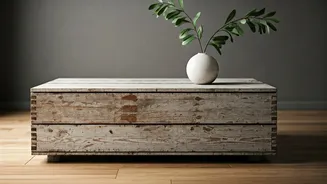
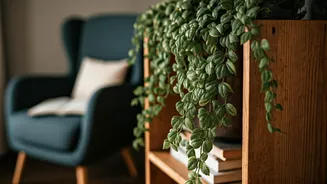
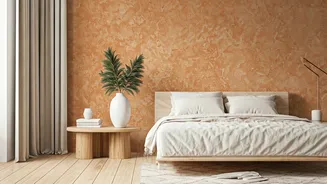
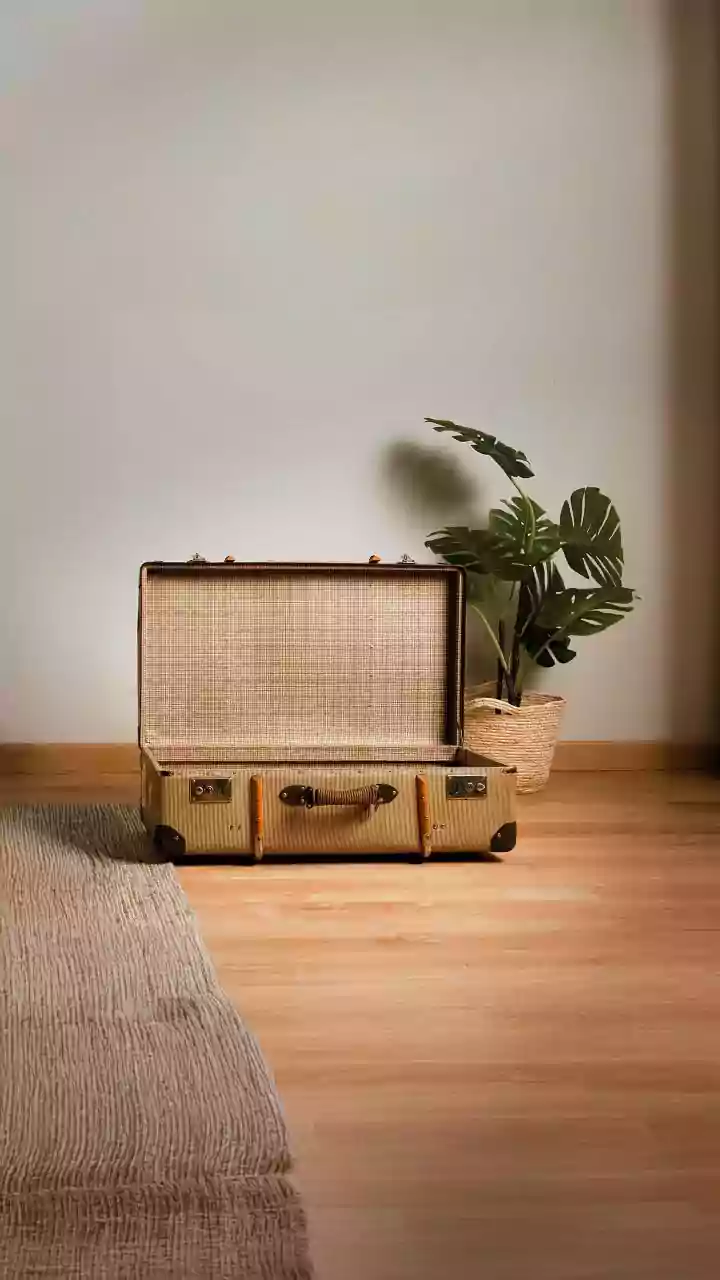
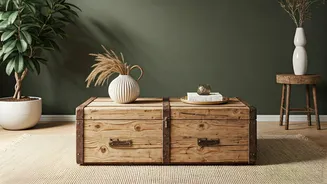
To nail the earthy, minimal aesthetic, your colour choice is just as important as the texture. Think of colours found in nature. Warm terracottas, sandy beiges, soft greys, and muted greens like sage or olive are perfect choices. These tones are inherently calming and work beautifully with wood furniture, linen textiles, and lots of indoor plants. For a truly minimal look, stick to a single textured accent wall and keep the surrounding walls a soft, complementary neutral. This creates a powerful focal point without overwhelming the space.