




The Energy Debate: A Sharp Jolt vs. A Smooth Ride
The primary reason most people reach for a cup of coffee is for a quick energy boost. Coffee delivers its caffeine payload rapidly, typically peaking within 30 to 60 minutes. This results in a powerful jolt of alertness, perfect for shaking off morning
grogginess. However, this spike is often followed by an equally precipitous crash a few hours later, leading to fatigue and the urge for another cup. Matcha, while also containing caffeine, provides a completely different experience. Thanks to its unique combination of caffeine and an amino acid called L-theanine, the energy release is gradual and sustained over four to six hours. This eliminates the jittery feelings and the dreaded afternoon slump, offering a smoother, more enduring form of energy ideal for prolonged concentration.
Focus and Calm: The L-Theanine Advantage
Here is where matcha truly shines in a professional setting. L-theanine is an amino acid found abundantly in tea leaves that promotes relaxation without drowsiness. When combined with caffeine, it fosters a state often described as 'calm alertness'. This synergy is backed by science; studies show that the combination of L-theanine and caffeine can improve attention, enhance cognitive performance, and increase accuracy on demanding tasks more effectively than caffeine alone. While coffee can sometimes heighten anxiety or restlessness, matcha's L-theanine content counteracts these effects. It increases alpha brain waves, the same ones associated with meditation, helping you stay focused and clear-headed even under pressure.
A Wealth of Wellness: Antioxidants and Health
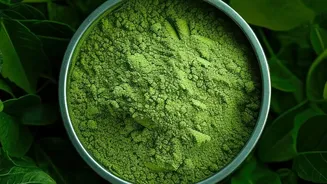
The concept of 'desk wellness' goes beyond immediate productivity to encompass long-term health. Both beverages contain beneficial antioxidants, but matcha has a distinct edge. When you drink matcha, you are consuming the entire ground tea leaf, not just a water infusion. This results in a much higher concentration of powerful antioxidants known as catechins, particularly epigallocatechin gallate (EGCG). Matcha contains significantly more antioxidants than even brewed green tea, and far more than coffee. EGCG is celebrated for its anti-inflammatory properties and its role in protecting cells from damage, which contributes to everything from heart health to brain protection.
The Ritual as a Wellness Break
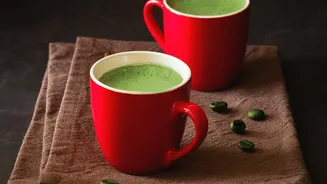
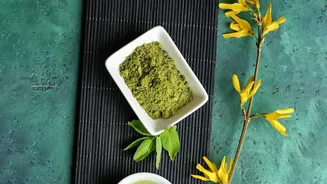
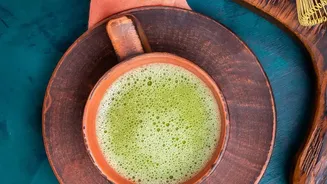
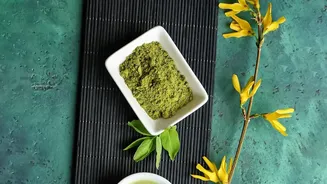
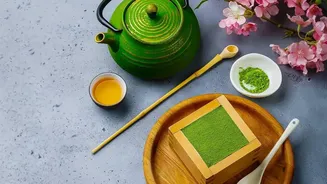
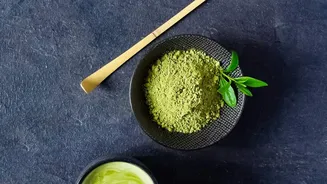
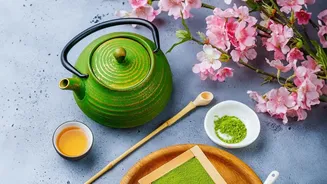
In the fast-paced metro workspace, the way we consume our beverages can be as important as the beverages themselves. Coffee is often a 'grab-and-go' affair, consumed quickly and mindlessly. In contrast, the traditional preparation of matcha is a deliberate, mindful ritual. The act of sifting the powder, adding hot (not boiling) water, and whisking it into a frothy consistency serves as a natural micro-break. This brief, three-minute ceremony can act as a mental reset, pulling you away from the screen and encouraging a moment of pause. This intentional break aligns perfectly with modern desk wellness principles, which emphasize regular pauses to reduce stress and improve overall well-being.
Making an Informed Choice for Your Desk
So, should every office worker throw out their coffee maker? Not necessarily. The best choice is personal and depends on your goals. If you need an immediate, powerful jolt to start your day or power through a short, intense task, coffee remains a reliable option. However, for professionals seeking sustained energy, enhanced focus without jitters, and a beverage that supports long-term wellness, matcha presents a compelling and superior alternative for the modern workday. Many find a balance by enjoying a coffee in the early morning and switching to matcha for the afternoon to maintain focus without impacting sleep. The key is to listen to your body and choose the fuel that best supports your professional and personal well-being.