

Your Pre-Departure Checklist
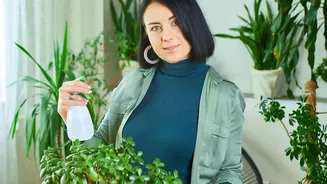
A few days before you leave, give your plants a health check. Remove any dead or yellowing leaves to prevent decay and pests. Wipe down dusty leaves with a damp cloth, as this helps the plant breathe and absorb light more efficiently. Most importantly,
give every plant a deep and thorough watering until it runs from the drainage holes. This initial soak is the most critical step, especially for shorter trips. Also, hold off on fertilizing right before you leave; you don't want to encourage a growth spurt that requires more water while you're gone.
Adjusting Light and Temperature
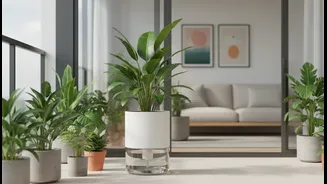
The more light a plant gets, the thirstier it becomes. Before you leave, move your plants a few feet away from bright windows. Grouping them together in the middle of a room not only reduces their light exposure but also creates a more humid microclimate as they release moisture. This simple move can significantly slow down how quickly their soil dries out. Also, be mindful of temperature. Avoid leaving plants near air conditioning vents or heaters. If you're away during a cool season, setting your thermostat to a consistent, cool temperature like 62-65 degrees can slow a plant's metabolism and water usage.
Watering for a Long Weekend (Up to 5 Days)
For a short trip, a good soak before you leave is often enough for most established houseplants. For plants that prefer more moisture, you can place them on a humidity tray. Just fill a shallow tray with pebbles and water, ensuring the pot sits on the pebbles and not directly in the water. This allows for slow evaporation, raising the humidity around the plant without causing root rot. Grouping plants together also helps them share humidity and stay moist for longer.
Solutions for Longer Trips (1-2 Weeks)
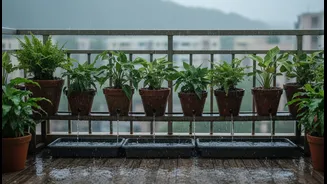
For absences of a week or more, you'll need a more robust watering plan. One popular and effective DIY method is the water wick system. Place a large container of water next to your plant, slightly elevated if possible. Submerge one end of a cotton rope or a strip of natural fabric in the water and push the other end a few inches into the plant's soil. The soil will wick moisture from the container as it dries. Another option is the bathtub method: place towels in a tub with a couple of inches of water and set your pots on top. This allows the plants to absorb water through their drainage holes as needed. Make sure to test any new system for a few days before you leave to ensure it works correctly.
For Extended Absences (2+ Weeks)
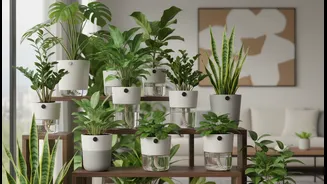
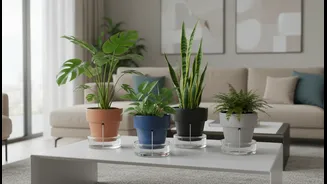
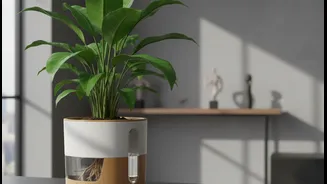
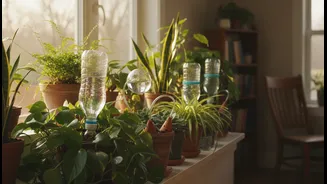
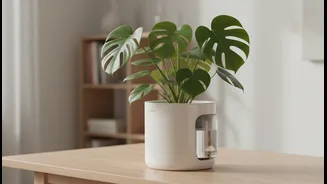
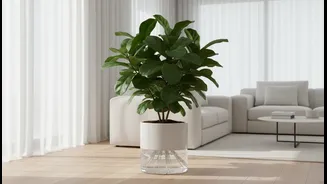
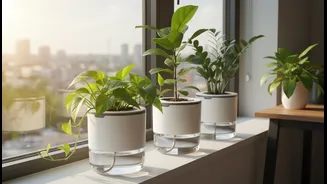
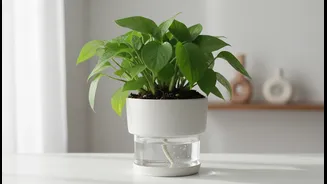
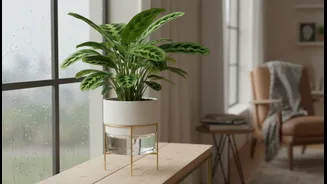
If you plan to be away for several weeks, consider investing in automated solutions or asking for help. Self-watering planters with built-in reservoirs are a fantastic, reliable option. Alternatively, you can buy glass watering globes or spikes that slowly release water into the soil. For a larger collection, a simple drip irrigation system with an automatic timer can be a worthwhile investment. However, for trips longer than a couple of weeks, the best insurance policy is a trusted friend, neighbour, or a professional plant-sitter. If you go this route, leave clear instructions and perhaps group the neediest plants together to make their job easier.
Welcome Home: The Readjustment Period
When you return, resist the urge to overcompensate with a massive dose of water and sunlight. Inspect each plant for pests or signs of distress. Water them if the soil is dry, but be careful not to overwater, which can be just as harmful as neglect. Gradually move your plants back to their original sunny spots over a few days to avoid shocking them. Trim away any leaves that didn't make it. With a little patience, your plants will be back on their regular schedule and thriving once again.