


The Vessel: More Than Just a Container
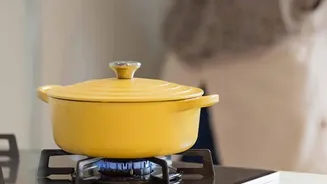
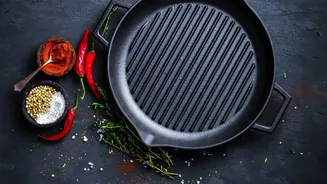
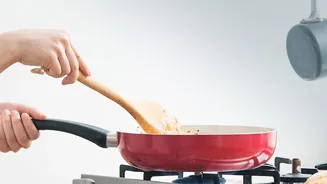
The pot or pan you cook in is not just a container; it's an active participant in the cooking process. The size, shape, and material of your vessel dictate how heat is distributed and retained. A small, overcrowded pan will steam your ingredients instead
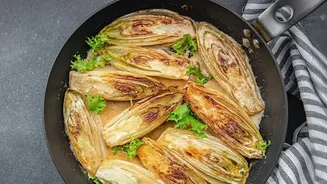
of searing them, leading to a soggy mess instead of a crispy texture. A pan that's too large can cause delicate sauces to reduce too quickly or burn. The material matters immensely as well. Cast iron retains heat beautifully, perfect for a deep sear. Stainless steel is a durable all-rounder known for even heating, while non-stick pans are great for delicate items like eggs. A well-written recipe might specify a '10-inch skillet' or a 'heavy-bottomed pot', but understanding why helps you make smart substitutions and know that a thin-walled pan won't behave the same as a heavy Dutch oven, even if they are the same size.
The Heat: Demystifying 'Medium'
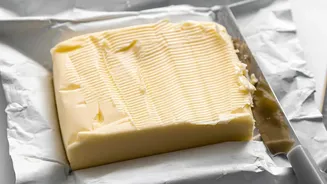
The instruction 'cook over medium heat' is perhaps the most common and confusing part of any recipe. What is 'medium' anyway? It varies wildly from one stove to another, whether gas or electric. Instead of relying on the knob's number, which is often arbitrary, it is better to learn to read the cues. A good recipe writer will offer sensory clues. For example, medium heat might be when a drop of water sizzles but doesn't instantly evaporate, or when butter melts and foams but doesn't brown immediately. Low heat is for gentle simmering, while medium-high is for achieving a good sear without burning your food. Learning what these visual and auditory cues look and sound like on your specific cooktop is a fundamental skill. It empowers you to adjust the flame or setting based on how the food is actually reacting, not just what the recipe's dial setting suggests.
The Yield: How Much Does It Make?
Yield refers to the amount of food a recipe produces, usually stated in servings, volume, or weight. It is a crucial piece of information that many home cooks overlook. Knowing the yield helps you determine if you'll have enough food and, importantly, if your cooking vessel is the right size. Trying to double a recipe in a pot that can barely hold the original quantity is a recipe for disaster. This leads to issues with scaling. Simply doubling ingredients isn't always straightforward. Cooking time, for instance, doesn't always scale linearly. A larger volume of soup will take longer to heat up, and a doubled cake batter might require a different pan size and bake time to cook evenly. Paying attention to the yield helps you plan better, ensures your equipment is appropriate, and provides a baseline for making smart adjustments if you decide to scale the recipe up or down.
The Doneness: Using Your Senses
A timer is a tool, not a final verdict. While a recipe might say 'bake for 20 minutes', the most important skill is learning how to tell when food is actually done. This involves using all your senses. A cake is done when a toothpick comes out clean and the top springs back when lightly pressed. Meat can be checked for firmness; the 'hand test' compares the fleshiness of your palm to the firmness of the meat to gauge doneness from rare to well-done. However, for food safety and accuracy, an instant-read thermometer is a cook's best friend. Beyond sight and touch, listen for the sizzle to die down, or smell for the aroma of toasted nuts or browned butter. Good recipes will provide these sensory cues, like 'cook until golden brown and fragrant'. Trusting your senses, backed by tools like a thermometer, is far more reliable than just watching the clock.