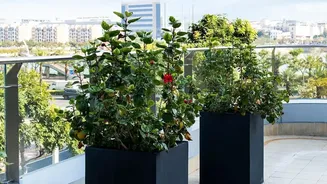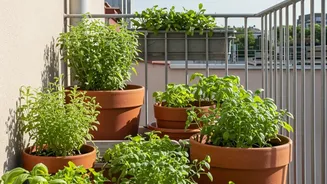







After a long day navigating deadlines and city noise, the desire for a quiet escape is universal. For urban dwellers, that sanctuary might be closer than they think: right on their balcony, where even a few pots can create a powerful oasis.
An Antidote to Urban Overload
Modern city
life is a constant barrage of stimulation—traffic, screens, and crowds can leave our minds feeling fatigued and overwhelmed. This has led to what some call a 'nature deficit', a disconnect from the natural world that can impact our well-being. A balcony garden, no matter its size, serves as a direct and personal antidote. It’s a small patch of nature that’s entirely your own, offering a quiet space to decompress. Research increasingly shows that interaction with green spaces can reduce stress, anxiety, and depression, making these mini-gardens a vital tool for mental wellness in an urban environment.
The Science of Green Serenity
The calming effect of a garden isn't just a feeling; it's rooted in science. Studies have repeatedly shown that gardening can significantly lower levels of cortisol, the body's primary stress hormone. In one study, participants who gardened for just 30 minutes after a stressful task showed a notable drop in cortisol and an improved mood compared to those who read a book indoors. This response is partly explained by the 'biophilia hypothesis', which suggests humans have an innate tendency to connect with nature. Simply being surrounded by greenery and living plants can trigger a physiological response that lowers blood pressure, improves heart rate, and promotes a state of relaxation.
A Full-Body Sensory Experience
Unlike passive activities, gardening engages all the senses, pulling your focus away from lingering work worries and grounding you in the present moment. It's a tactile experience: the feeling of soil on your fingers, the delicate texture of a new leaf, and the weight of a watering can. It's also an aromatic one, with the scent of damp earth, fresh herbs like mint and basil, or fragrant flowers. This multi-sensory engagement acts as a form of active mindfulness. The simple, repetitive tasks of watering, pruning, and checking for new growth demand gentle attention, helping to quiet a racing mind and interrupt cycles of anxious thoughts.
Nurturing Growth, Nurturing Yourself
In a world where many tasks are digital and abstract, the tangible process of nurturing a living thing from a small seed or cutting into a thriving plant provides a profound sense of purpose and accomplishment. This act of care fosters a feeling of satisfaction and control that can be deeply rewarding. Watching a tomato ripen or a flower bloom is a visible, gratifying result of your effort and patience. This process is a core component of horticultural therapy, a practice that uses gardening to improve mental and emotional health by fostering a connection between people and plants. It reminds us of life's simple, predictable cycles, offering a comforting sense of routine and stability.