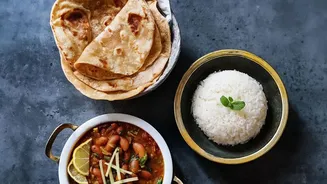

In most Indian kitchens, a small stack of leftover rotis is a familiar sight. Instead of letting them go to waste, you can transform these humble flatbreads into a surprisingly delicious, quick, and savoury breakfast known as roti upma.
The Zero-Waste Philosophy
At its heart, turning
stale rotis into a hearty breakfast embraces the age-old Indian principle of 'zero-waste cooking'. It's a creative and flavourful way to honour the effort that went into making the rotis and ensure that no food is discarded. What might seem like a dry, unappealing leftover can be the star of your morning meal with just a few simple ingredients and techniques. This dish, often called 'roti ka poha' or 'chapati upma', is a testament to the ingenuity of home cooks across the country.
Step 1: Preparing the Rotis
The first step is to break down the stale rotis into the right texture. You have two main options. For a softer, more uniform texture, tear the rotis into small pieces and pulse them briefly in a mixer grinder. Be careful not to over-grind; you want a coarse, breadcrumb-like consistency, not a fine powder. Alternatively, for a more rustic, varied texture, you can simply shred the rotis thinly with your hands or slice them into strips with a knife. The slight dryness of stale rotis is actually perfect for this, as they will absorb the flavours of the tempering without becoming mushy.
Step 2: The Classic Tempering (Tadka)
The soul of the roti upma lies in its tempering. Start by heating a tablespoon of oil in a pan or kadhai. Once hot, add mustard seeds and let them splutter. Follow this with a pinch of cumin seeds, a few curry leaves, and finely chopped green chillies for heat. Sauté finely chopped onions until they turn translucent and soft. This forms the aromatic base of your dish. At this stage, you can also add other ingredients like chana dal or urad dal for a bit of crunch.
Step 3: Bringing It All Together
Once your onions are cooked, you can add finely chopped tomatoes and cook until they become soft. Now is the time to add your spices. A pinch of turmeric powder for colour is essential. You can also add red chilli powder for extra heat and a bit of coriander powder for flavour. Mix well before adding the prepared roti crumbs or strips to the pan. Toss everything together, ensuring the roti pieces are well-coated with the masala. Sprinkle a small amount of water to moisten the roti, cover the pan, and let it cook on low heat for a couple of minutes. This allows the roti to soften and absorb all the flavours.
Delicious Variations to Try
The beauty of roti upma is its versatility. You can easily adapt the base recipe. For a 'roti poha' style, add roasted peanuts for crunch and a generous squeeze of lemon juice at the end for a tangy finish. To make it a more nutritious and filling meal, add a variety of finely chopped vegetables like carrots, bell peppers, peas, or cabbage along with the onions. For a protein boost, some even add a scrambled egg into the mix, which coats the roti pieces and adds a rich flavour.
Final Touches and Serving
Before serving, turn off the heat and garnish your roti upma with freshly chopped coriander leaves. For an extra layer of texture, you can top it with some crunchy sev or bhujia. This dish is best served hot, straight from the pan, and pairs wonderfully with a cup of hot chai or coffee. Be mindful of the salt, as the original rotis may already contain some. Adjust the seasoning only after tasting.