

Master the Art of Brining
The foundation of most vegetable fermentation is a simple saltwater brine, which makes oil entirely unnecessary. Salt creates an environment where beneficial Lactobacillus bacteria can thrive while inhibiting the growth of undesirable microbes. The key
is getting the salinity right. A general rule for most vegetables is to use about one-half cup of salt per gallon of unchlorinated water. This solution not only preserves the vegetables but also draws water out of them, creating a crisp texture and the perfect anaerobic (oxygen-free) environment for fermentation to occur safely below the liquid's surface.
Use a 'Follower' and a Weight
The golden rule of fermenting is to keep your vegetables fully submerged beneath the brine. Exposure to oxygen can invite mould and unwanted yeasts. Instead of an oil layer, use a two-part system: a 'follower' and a weight. A follower is a physical barrier, like a large, clean cabbage leaf or a piece of horseradish leaf, placed directly on top of the chopped vegetables. Then, place a weight on top of the follower to hold everything down. You don't need fancy equipment; a small glass jar or even a clean stone can work perfectly as a weight. This combination ensures an oxygen-free zone where healthy fermentation can flourish.
Harness the Power of an Airlock
For those looking for a more foolproof method, investing in a fermentation jar with an airlock is a game-changer. An airlock is a simple device that fits onto the lid of your jar and allows carbon dioxide—a natural byproduct of fermentation—to escape while preventing oxygen and airborne contaminants from getting in. This creates a truly anaerobic environment, making the need for an oil seal completely obsolete. It automates the process of keeping the environment free of oxygen, which is crucial for the lactic acid bacteria to do their job effectively and safely.
Employ the Dry Salting Method
Some vegetables, particularly cabbage for sauerkraut and kimchi, don't even need an external brine. The dry salting method involves shredding or chopping the vegetables and massaging them with salt. The salt works to draw a significant amount of water directly out of the vegetable cells, creating its own protective brine. As you pack the salted vegetables tightly into a jar, this self-made liquid rises to cover them. This technique is incredibly efficient, ensuring a concentrated flavour and a perfect ferment without adding a single drop of oil or water.
Add Tannin-Rich Leaves for Crunch
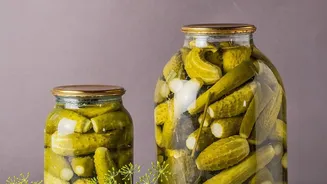
One common reason people ferment is to create delicious, crunchy pickles. While oil is sometimes mistakenly thought to help, the real secret to a crisp ferment lies elsewhere. Adding tannin-rich leaves to your jar, such as grape leaves, horseradish leaves, or even oak leaves, can help maintain a firm texture. The tannins in these leaves inhibit the enzymes that naturally break down pectin and cause vegetables to soften during fermentation. This is a natural, flavour-enhancing trick that keeps your fermented cucumbers, carrots, and green beans delightfully crunchy without any additives.
Why Oil-Free is a Healthier Choice
Avoiding oil in your ferments is not just about simplicity; it's also about safety and health. Oils can sometimes go rancid during the lengthy fermentation process, introducing off-flavours and potentially harmful compounds. Furthermore, an oil layer can sometimes trap unwanted bacteria if not handled correctly. By relying on brine and anaerobic techniques, you create a cleaner, more stable environment for probiotics to develop. Fermented foods are known to improve digestion, enhance nutrient absorption, and support the immune system, and an oil-free method ensures you get these pure benefits.