


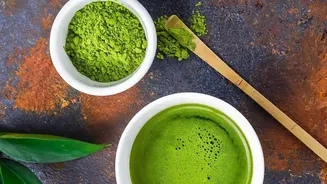

The hiss of the espresso machine is getting competition. In India’s bustling co-working hubs, a vibrant green contender is redefining productivity fuel: Japanese matcha. This is more than a trend; it's a shift in how we power our workday.
The Green Buzz in the Modern Workspace
Walk into any
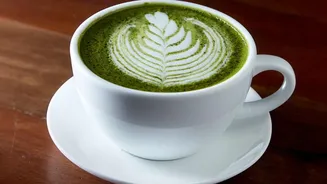
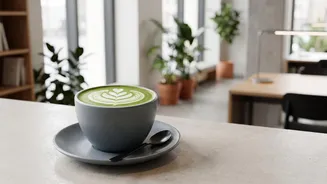
trendy co-working space in Mumbai or Bengaluru, and you will see the familiar sights of modern work life: ergonomic chairs, hushed meeting pods, and laptops aglow. But look closer at the desks and pantry counters, and you will notice a change in the colour palette of productivity. The once-ubiquitous dark roast coffee is increasingly making way for a vibrant, emerald-green drink. Whisked into a frothy latte or served over ice, matcha is rapidly becoming the beverage of choice for a new generation of professionals. This shift is particularly prominent in co-working environments, which act as incubators for workplace and wellness trends. Brands are noticing, with matcha suppliers now actively marketing their products as the perfect upgrade for office beverage offerings, promising clean energy and calm focus.
Not Just Another Green Tea
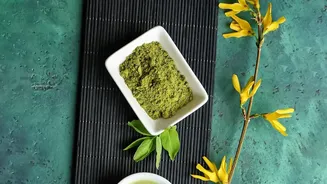
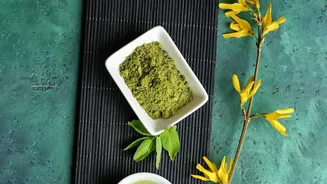
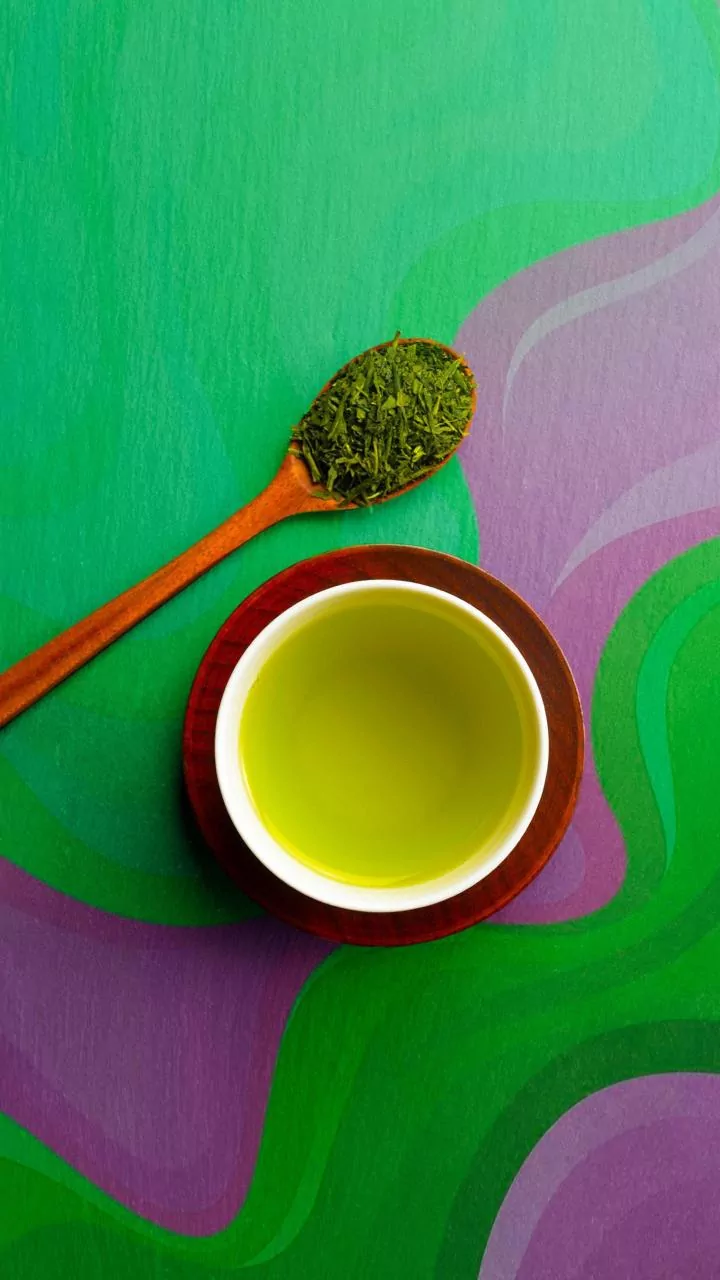
So, what exactly is this green powder taking over the office? Matcha is a finely ground powder made from specially grown and processed green tea leaves. Unlike traditional green tea, where you steep the leaves in water and discard them, with matcha you are consuming the entire leaf. This process, rooted in centuries of Japanese tea ceremonies, means you ingest a higher concentration of the leaves' nutrients, antioxidants, and amino acids. In India, the demand for matcha is surging, driven by a broader shift toward healthier living and an interest in global wellness practices, especially among millennials and Gen Z. Market reports project significant growth, with some estimates suggesting the Indian matcha market could reach around USD 790 million by 2031. This isn't just a fleeting fad; it's a reflection of a deeper consumer desire for products with tangible health benefits.
The Science of 'Clean Energy'
The phrase 'clean energy' isn't just marketing jargon. The key difference between a coffee buzz and a matcha lift lies in a unique amino acid called L-theanine. While coffee delivers a quick, potent hit of caffeine that can sometimes lead to jitters and a subsequent crash, matcha offers a different experience. The L-theanine in matcha works in synergy with its caffeine content, promoting a state of 'calm alertness'. It slows the body's absorption of caffeine, resulting in a more sustained, gentle release of energy over several hours. Scientific studies have shown that the combination of L-theanine and caffeine can improve cognitive performance, enhance focus, and reduce susceptibility to distractions more effectively than caffeine alone. This allows for a state of heightened focus without the anxiety or racing heart that some experience with strong coffee.
The Co-Working Connection
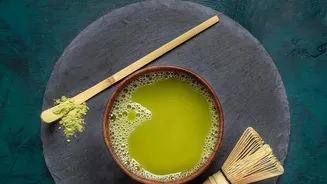
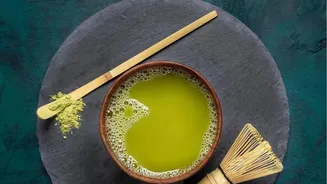
Co-working spaces are the perfect breeding ground for the matcha movement. These hubs are designed to attract a demographic that values wellness, community, and cutting-edge trends. For them, office perks are evolving beyond free beer and ping-pong tables toward offerings that support a holistic, productive lifestyle. Providing high-quality matcha aligns perfectly with this ethos. It caters to a health-conscious workforce seeking functional beverages that do more than just caffeinate. Furthermore, the ritual of preparing matcha—whisking the powder into a smooth liquid—can be a mindful pause in a hectic day, a stark contrast to the grab-and-go nature of a quick coffee. This aligns with the broader cultural embrace of matcha as an antidote to the sensory overload of modern urban life.
A Sip of the Future
The rise of matcha in metro co-working spaces is a snapshot of a much larger story: the merging of our work and wellness identities. The choice of beverage has become a statement about how we want to feel and perform. The demand is not just for energy, but for a specific kind of energy—focused, sustained, and calm. As India’s workforce continues to prioritise health and mindfulness, the green wave of matcha is likely to spread far beyond the confines of co-working spaces. It represents a shift from a culture of high-strung hustle to one of mindful productivity, proving that sometimes the most powerful boost comes not from a jolt, but from a state of balanced focus.