





The End of the Off-Season
For decades, the Indian tourism calendar was predictable: a frantic summer rush, a lull during the monsoon, and a peak season in winter. The monsoon was a time to stay home, not book a getaway. That has fundamentally changed. According to recent data
from travel platforms, the period from June to September is now a hotbed of activity. Travel aggregator Cleartrip reported a more than 54% year-on-year increase in hotel bookings and a staggering 140% surge in bus bookings for the monsoon period. This isn't a minor uptick; it's a seismic shift. Radisson Hotel Group confirmed the trend, with July bookings pacing nearly 10% ahead of the previous year. Even hotel chains like Accor are seeing a 15-20% rise in occupancy at their properties. The message from the market is clear: Indian travellers are no longer waiting for the skies to clear to pack their bags.
The New Monsoon Hotspots
This travel boom is not evenly distributed; it's creating new hotspots and redefining old ones. The biggest winners are destinations that come alive in the rain. Hill stations in the south are seeing explosive growth, with hotel bookings in Wayanad, Kerala, jumping by over 160%. Nearby, Alleppey has seen a rise of over 145%, while popular destinations like Kodaikanal and Ooty are also recording booking increases of more than 70%. Perhaps the most surprising trend is the emergence of Northeast India as a monsoon powerhouse. Nagaland and Arunachal Pradesh have seen flight bookings spike by 62% and hotel bookings by over 90%. Meanwhile, Goa, the classic example of a destination that used to offer heavy monsoon discounts, is now experiencing 'resilient' pricing due to sustained demand. According to travel portal ixigo, hotel searches for Goa during the monsoon have risen by nearly 40% compared to the peak summer season, signalling its transition to a year-round destination.
What's Driving the Downpour of Tourists?
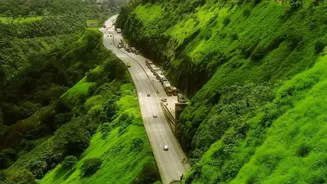
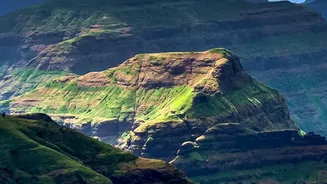
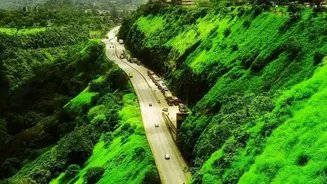
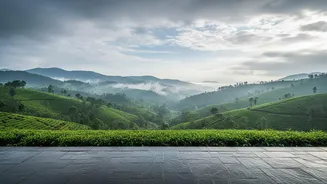
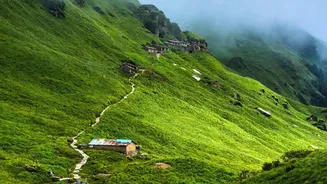
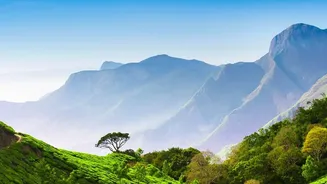
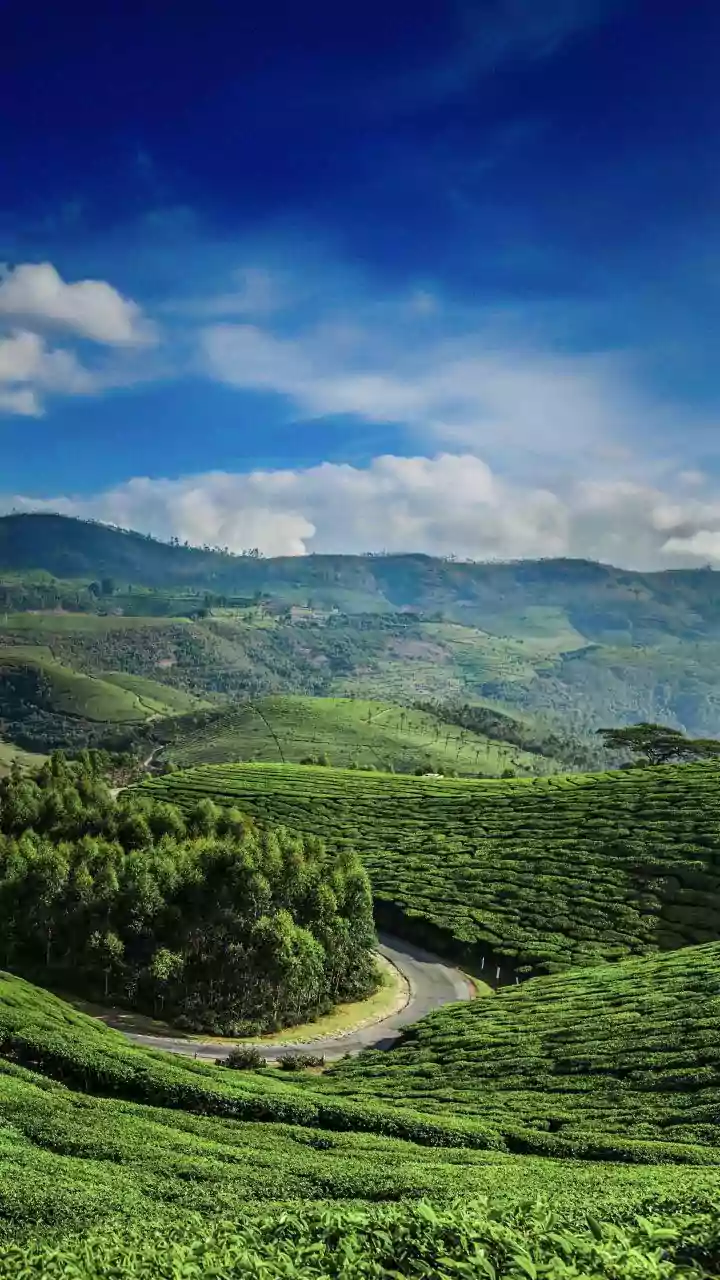
Several factors are converging to fuel this trend. The primary driver is a change in traveller mindset. The appeal is no longer just about getting a good deal; it's about the experience itself. The monsoon transforms landscapes, turning hills into lush green carpets and bringing waterfalls to life—a spectacle many are now eager to witness. This visual appeal is amplified by social media, where 'pluviophiles' (rain lovers) and influencers showcase mist-laden mountains and rain-washed forests, creating a powerful desire to experience it firsthand. Furthermore, the rise of flexible and remote work culture has untethered professionals from their desks. The ability to 'work from anywhere' allows for longer stays and midweek travel, blurring the lines between work and vacation. A professional can now easily swap a city apartment for a homestay in Coorg or a cafe in Goa, working during the day and exploring on weekends, all while enjoying the revitalized monsoon landscape.
The New Reality for Travellers
This newfound popularity has consequences. The biggest change is that the monsoon is no longer the quiet, budget-friendly off-season it once was. While some deals can still be found, the days of expecting deep discounts everywhere are fading. In high-demand areas, prices are holding firm, and last-minute plans may no longer be feasible. The need to book flights and hotels in advance, once reserved for peak winter travel, now applies to the rainy season as well. The experience on the ground has also shifted. Instead of the solitude and serenity that once defined a monsoon trip, travellers are more likely to find a vibrant, energetic atmosphere. The crowds may be smaller than in December, but you will not be alone. The upside is that more resorts, restaurants, and tour operators now remain open, offering a full suite of services that used to be shuttered for the season.