





The Rise of the Plant-Powered Plate
A significant driver behind this resurgence is the explosive growth of plant-based and flexitarian diets. In India, a country with deep-rooted vegetarian traditions, a new wave of conscious eating is taking hold. Consumers are increasingly looking for
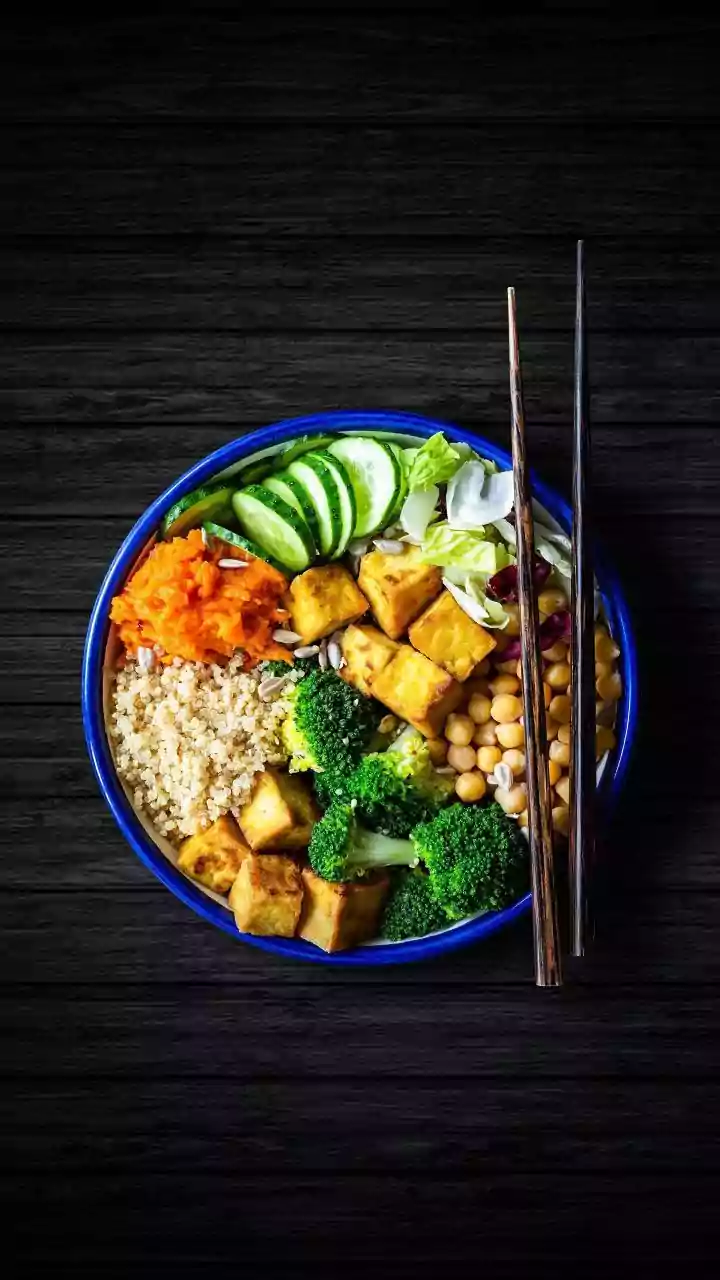
ways to reduce their meat consumption for health, ethical, and environmental reasons. Beans and soy are perfectly positioned to meet this demand. Soy, in particular, is a 'complete protein', meaning it contains all nine essential amino acids our bodies need, putting it on par with animal sources like eggs and dairy. This makes foods like tofu, tempeh, and edamame ideal staples for anyone looking to build a nutritious diet without meat.
Nutritional Powerhouses for Modern Health
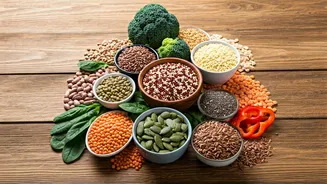
Beyond just protein, beans and soy are packed with a wealth of nutrients. They are rich in fibre, which supports gut health, and loaded with essential vitamins and minerals like folate, copper, manganese, and iron. Studies have linked regular consumption of legumes and soy to significant health benefits, including a lower risk of heart disease, stroke, and certain cancers. A recent large-scale analysis even found that people who eat the most legumes and soy foods have a markedly lower risk of developing high blood pressure. They also help manage cholesterol levels by inhibiting its absorption in the body, contributing to better cardiovascular health.
Busting the Great Soy Myth
For years, soy has been the subject of persistent myths, particularly concerning hormones. The concern stems from plant compounds in soy called isoflavones, which are structurally similar to oestrogen. However, extensive research has shown these fears to be unfounded. Phytoestrogens (plant oestrogens) are not the same as human oestrogen and do not cause hormonal imbalances in men. In fact, multiple reviews have concluded that soy consumption does not impact testosterone levels. Similarly, fears linking soy to an increased risk of breast cancer have been debunked. A large body of evidence now suggests that moderate consumption may even have a protective effect.
Good for Your Wallet and the Planet
In addition to their health credentials, beans and soy offer compelling environmental and economic benefits. As food prices fluctuate, legumes remain one of the most affordable sources of high-quality nutrition. Environmentally, the soy grown for human consumption is a sustainable choice. It's important to distinguish it from the vast quantities grown for animal feed, which are often linked to deforestation. Soybeans are also a nitrogen-fixing crop, meaning they naturally enrich the soil, reducing the need for chemical fertilisers and improving overall soil health for future crops.
From Simple Dal to Modern Delicacies
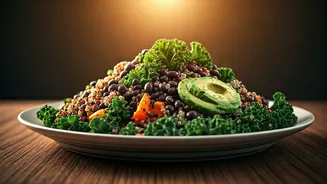
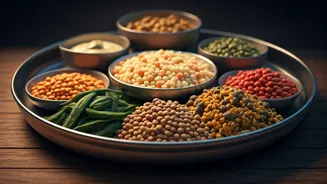
The culinary world has fully embraced this comeback. Chefs and home cooks are moving beyond traditional preparations and finding new, exciting ways to feature beans and soy. Think crispy pan-fried green beans with a soy-honey glaze, creamy edamame hummus, or robust black soybean salads. You can find soy in everything from pancakes and burgers to delicate desserts. Tofu is no longer just a simple cube; it's being marinated, baked, and scrambled into delicious dishes. This newfound versatility is making it easier and more appealing than ever to incorporate these nutritious ingredients into your weekly meals.