


How Sealing Fights Spoilage
At its core, vacuum sealing is the process of removing the vast majority of air from a package before creating an airtight seal. This simple action combats the main culprits of food spoilage. Oxygen in the air fuels oxidation, which causes fats to go
rancid, fruits to brown, and flavours to degrade. It also allows for the growth of many microorganisms like bacteria and mould. By removing the oxygen, you create an environment where these processes are dramatically slowed down, preserving the food's taste, colour, and texture for much longer. This method can keep food fresh up to five times longer than ordinary storage methods like plastic wrap or zipper bags.
The Battle Against Freezer Burn
One of the most significant benefits of proper vacuum sealing is the prevention of freezer burn. That layer of white ice crystals you see on improperly stored frozen food is the result of dehydration caused by air exposure. When moisture escapes from the food and freezes on the surface, it leaves the food dry, tough, and flavourless. While still safe to eat, the quality is severely compromised. A vacuum sealer creates a tight barrier that locks moisture into the food, preventing air from coming into contact with it and stopping freezer burn before it starts. This means your meats, vegetables, and leftovers will taste just as good as the day you sealed them.
A Step-by-Step Sealing Guide
Getting a perfect seal is straightforward if you follow a few key steps. First, prepare your food. Ensure it's clean and dry, as excess moisture can interfere with the seal. For liquids like soups or sauces, it’s best to freeze them solid before sealing to prevent the liquid from being sucked into the machine. Place the item in a high-quality vacuum sealer bag, leaving several inches of space at the top. This empty space is crucial for the machine to get a good grip and create a strong, airtight seal. Once the bag is positioned correctly in the machine, simply let the appliance do its work of removing the air and heat-sealing the bag shut. For extra security with long-term storage, you can even double-seal the bag.
Common Mistakes to Avoid
Several common errors can undermine your efforts. The most frequent is not leaving enough space at the top of the bag, which leads to a weak or failed seal. Another is attempting to seal hot or warm food. The steam released can create condensation inside the bag, which not only weakens the seal but can also create a warm, low-oxygen environment where bacteria can thrive. Always let cooked foods cool completely first. Also, be mindful of sharp objects. Sharp bones in meat or even the stiff stems of some herbs can puncture the bag, breaking the vacuum. Finally, trying to seal very wet or oily foods without pre-freezing can result in a messy, ineffective seal as the liquid gets drawn toward the seal area.
Foods That Need Special Care
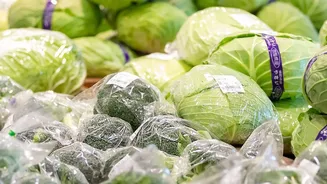
While great for most foods, some items should not be vacuum sealed raw. Cruciferous vegetables like broccoli, cauliflower, and cabbage release natural gases as they sit. Sealing them raw will cause the bag to inflate, defeating the purpose. These vegetables must be blanched—briefly boiled then plunged into ice water—before being cooled, dried, and sealed. Similarly, raw mushrooms, onions, and garlic should be avoided as they can spoil quickly and even risk the growth of harmful bacteria in a low-oxygen environment. Soft cheeses like brie or ricotta are also not good candidates, as their texture and composition are not suitable for this process.