






The New Separation Anxiety
During the pandemic lockdowns, many Indians welcomed a new pet into their homes. For nearly two years, dogs and cats became our constant co-workers, napping near our desks and offering welcome distractions. Now, as companies across India adopt hybrid
work models, the dynamic has shifted. The sudden absence of their human companions, even for just eight hours, can be jarring for pets who have only known a life of constant togetherness. This can lead to separation anxiety, manifesting as destructive behaviour, excessive barking or meowing, or signs of depression. But the anxiety isn't just for the pets; owners feel it too. The guilt of leaving a beloved animal alone after they’ve become so accustomed to our presence is a powerful motivator.
Technology as the Digital Bridge
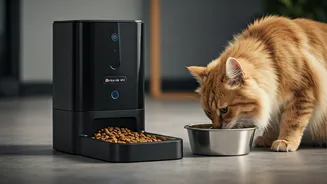
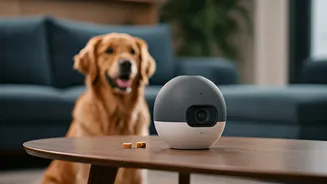
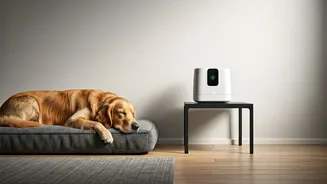
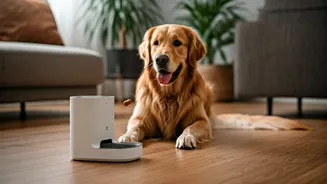
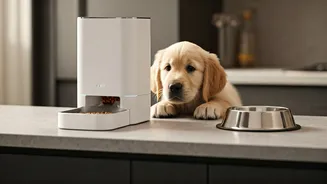
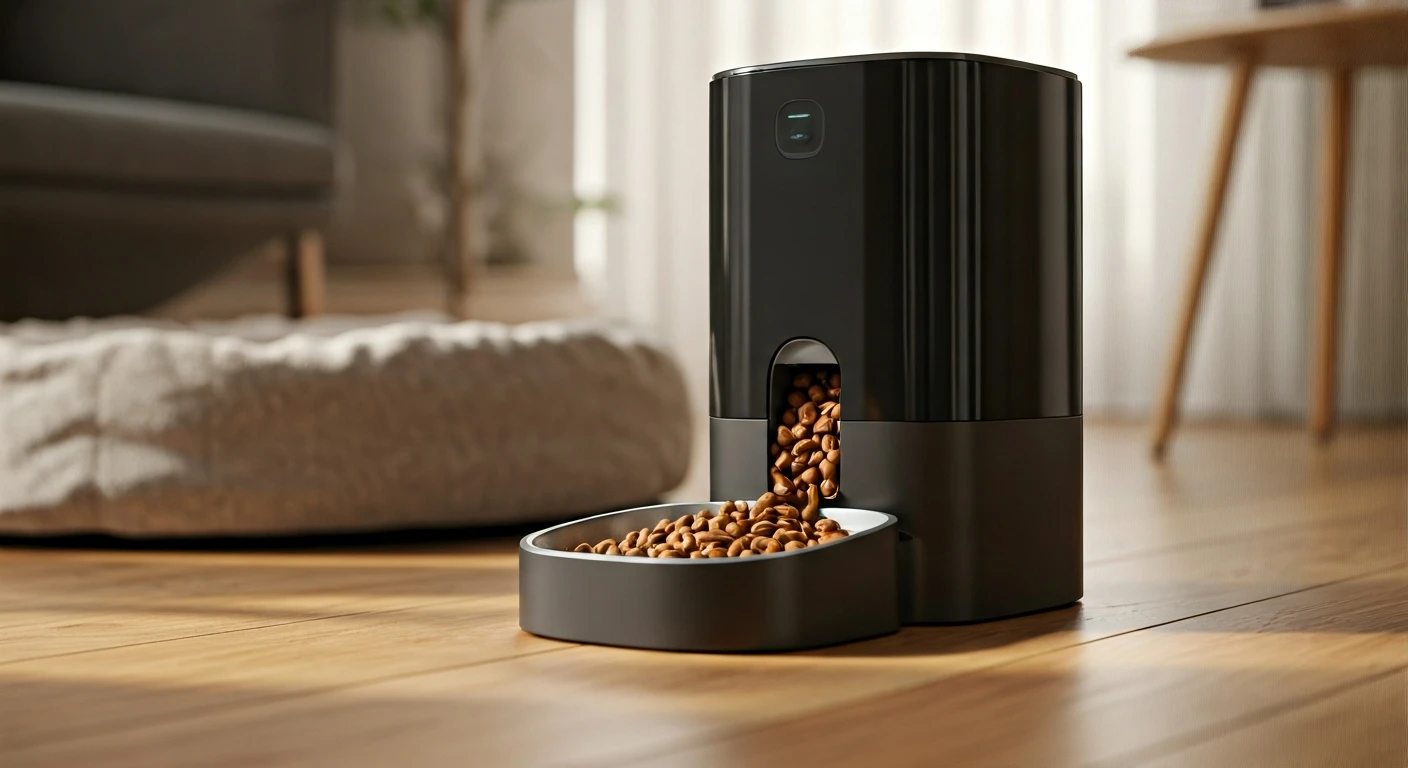
Enter the smart treat dispenser. On the surface, it seems like a simple gadget: a device that flings a biscuit across the room at the tap of a button on your smartphone. However, their appeal goes far beyond just dispensing snacks. Modern devices are sophisticated interactive hubs. They feature high-definition cameras with night vision, allowing owners to check in on their pets from their office desks. Two-way audio means you can hear your dog barking and, more importantly, speak to them in a soothing voice. This ability to see and speak to your pet in real-time creates a digital bridge, closing the distance and offering immediate peace of mind. It transforms a passive worry into an active, reassuring connection.
More Than a Gadget, It’s Guilt-Management
For many hybrid-working pet parents, this technology is less about spoiling their pet and more about managing their own emotions. The workday is punctuated by moments of wondering: ‘Are they okay? Are they bored? Do they miss me?’ A quick glance at a live video feed can instantly answer these questions. Seeing your cat napping peacefully in the sun or your dog happily chasing a laser dot (a feature on some models) alleviates the guilt associated with being away. The ability to toss them a treat feels like a small act of love, a way to say, “I’m thinking of you,” even from miles away. This emotional relief is arguably the single biggest driver of sales, turning the device from a luxury item into a mental health tool for the modern pet owner.
Combatting Boredom and Promoting Engagement
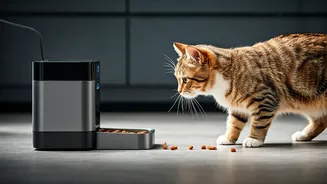
While the benefits for humans are clear, these devices offer tangible advantages for pets as well. A bored pet is often a destructive pet. Without stimulation, dogs may resort to chewing furniture, and cats might start scratching walls. Smart dispensers provide crucial mental engagement. Some models incorporate games, where the pet has to solve a simple puzzle to get a treat. Others allow you to schedule treat releases throughout the day, breaking up the monotony and giving your pet something to look forward to. This intermittent reinforcement can help keep their minds active and reduce the stress of long, quiet hours alone. It’s a way to enrich their environment and ensure their well-being when you can't be there to play fetch.
A Piece of the Smart Home Puzzle
The rise of smart pet tech isn't happening in a vacuum. It’s part of a broader trend in Indian households towards creating a connected, smart home. Families are already comfortable using smart speakers, app-controlled lighting, and robotic vacuum cleaners. A smart treat dispenser is a natural extension of this ecosystem. It fits seamlessly into a lifestyle where convenience and remote management are highly valued. For a generation accustomed to solving problems with an app, using technology to care for a pet feels intuitive. It’s a modern solution for a modern problem, integrating pet care into the digital fabric of everyday life.